Modèle De Facture De Nettoyage Électronique
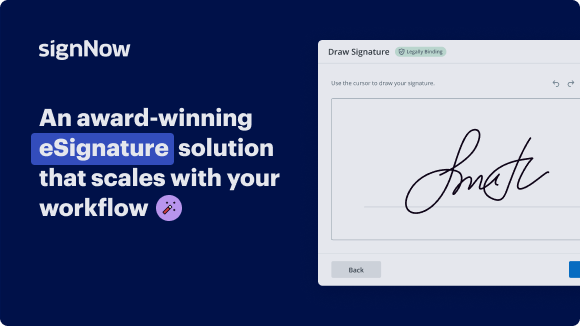
Solution eSignature primée




Faites avancer votre entreprise avec la solution de signature électronique airSlate SignNow
Ajoutez votre signature juridiquement contraignante
Intégrez via l'API
Envoyez des documents conditionnels
Partagez des documents via un lien d'invitation
Gagnez du temps avec des modèles réutilisables
Améliorez la collaboration d'équipe
Découvrez les signatures électroniques airSlate SignNow en action


Solutions airSlate SignNow pour une meilleure efficacité
Les avis de nos utilisateurs parlent d'eux-mêmes











Pourquoi choisir airSlate SignNow
-
Essai gratuit de 7 jours. Choisissez le forfait dont vous avez besoin et essayez-le sans risque.
-
Tarification honnête pour des forfaits complets. airSlate SignNow propose des abonnements sans frais supplémentaires ni frais cachés lors du renouvellement.
-
Sécurité de niveau entreprise. airSlate SignNow vous aide à respecter les normes de sécurité mondiales.

Exemple de facture de conception de site Web
Créer une facture de conception de site Web est essentiel pour tenir vos clients informés et assurer le paiement de vos services. Avec des outils comme airSlate SignNow, les entreprises peuvent rationaliser le processus de signature de leurs factures, optimisant ainsi le flux de travail et renforçant le professionnalisme. Voici un guide qui illustre comment utiliser efficacement cette plateforme pour gérer vos documents.
Exemple de facture de conception de site Web : comment utiliser airSlate SignNow
- Ouvrez votre navigateur Web préféré et accédez à la plateforme airSlate SignNow.
- Créez un nouveau compte avec un essai gratuit ou connectez-vous si vous avez déjà un compte.
- Préparez votre document nécessitant une signature électronique en le téléchargeant directement sur la plateforme.
- Si vous avez l'intention d'utiliser ce document à nouveau, convertissez-le en un modèle réutilisable dans le système.
- Accédez à votre fichier téléchargé pour apporter les modifications nécessaires, comme ajouter des champs à remplir ou incorporer des informations pertinentes.
- Signerez votre document et attribuez des zones de signature pour les destinataires prévus.
- Cliquez sur 'Continuer' pour configurer et envoyer une demande de signature électronique à votre destinataire.
Utiliser airSlate SignNow offre de nombreux avantages, notamment des retours sur investissement impressionnants grâce à ses nombreuses fonctionnalités à un prix abordable. Il est conçu pour les petites et moyennes entreprises, offrant une interface conviviale qui peut facilement évoluer avec vos besoins.
Vous pouvez compter sur une tarification transparente sans frais de support inattendus ou charges cachées. De plus, un support client exceptionnel 24/7 est disponible avec tous les plans payants. Commencez à utiliser airSlate SignNow pour simplifier votre processus de signature de documents dès aujourd'hui !
Comment ça marche
Fonctionnalités airSlate SignNow appréciées par les utilisateurs





Obtenez des signatures juridiquement contraignantes dès maintenant !
FAQ
-
Qu'est-ce qu'un exemple de facture de conception de site Web ?
Un exemple de facture de conception de site Web est un modèle utilisé pour facturer les clients pour des services de conception Web. Il inclut généralement des détails tels que les services fournis, les heures travaillées et les conditions de paiement. Utiliser un exemple efficace de facture de conception de site Web peut rationaliser votre processus de facturation et assurer la clarté pour vous et vos clients. -
Comment puis-je créer un exemple de facture de conception de site Web avec airSlate SignNow ?
Créer un exemple de facture de conception de site Web avec airSlate SignNow est simple. Vous pouvez personnaliser des modèles qui correspondent aux besoins de votre entreprise et ajouter des détails spécifiques liés à vos services. Cela permet d'avoir un aspect professionnel qui inspire confiance à vos clients et améliore l'image de votre marque. -
Quelles fonctionnalités devrais-je rechercher dans un exemple de facture de conception de site Web ?
Un exemple efficace de facture de conception de site Web doit inclure une itemisation claire des services, des conditions de paiement et des coordonnées. De plus, il peut inclure des options pour des remises ou des taxes, ainsi que des capacités de signature électronique pour assurer des transactions fluides. airSlate SignNow offre des outils complets pour la facturation qui intègrent ces fonctionnalités de manière transparente. -
Y a-t-il des avantages à utiliser un exemple de facture de conception de site Web ?
Utiliser un exemple de facture de conception de site Web offre divers avantages, notamment une meilleure professionnalisation et une cohérence dans la facturation des clients. Cela aide à garantir que tous les détails nécessaires sont couverts, réduisant ainsi les litiges sur les paiements. Cette clarté peut également conduire à des paiements plus rapides et à un meilleur flux de trésorerie pour votre entreprise. -
Puis-je intégrer des options de paiement dans mon exemple de facture de conception de site Web ?
Oui, intégrer des options de paiement dans votre exemple de facture de conception de site Web est très bénéfique. Vous pouvez ajouter des liens pour les paiements en ligne qui facilitent des transactions plus rapides. airSlate SignNow vous permet d'inclure des liens de paiement qui peuvent rationaliser le processus de paiement pour vous et vos clients. -
Quelles informations doivent être incluses dans mon exemple de facture de conception de site Web ?
Un exemple complet de facture de conception de site Web doit contenir les informations du client, une description détaillée des services fournis, le montant total dû, les méthodes de paiement et la date d'échéance. Inclure les informations de votre entreprise et un numéro de facture unique est également crucial pour le suivi. S'assurer que tous ces éléments sont présents peut conduire à une gestion efficace de votre facturation. -
Comment airSlate SignNow améliore-t-il mon processus de facturation de conception de site Web ?
airSlate SignNow améliore votre processus de facturation de conception de site Web en fournissant des modèles faciles à utiliser et des capacités de signature électronique. Cela signifie que vous pouvez rapidement envoyer des factures et faire signer électroniquement par vos clients, ce qui réduit l'utilisation de papier et rend les flux de travail plus efficaces. La plateforme offre également des fonctionnalités de suivi pour surveiller quand une facture est consultée et payée.
Ce que disent les utilisateurs actifs — website design invoice example


Obtenez plus pour website design invoice example
- Concevez votre propre signature gratuite pour tous vos documents
- Build autofill PDF solutions effortlessly
- Services de signature électronique Inde pour simplifier vos transactions
- Créer un nouveau compte email professionnel Gmail facilement
- Configuration de Gmail pour les entreprises qui simplifie la gestion documentaire
- Build fillable PDF applications effortlessly with airSlate SignNow
- Gérez votre compte G Suite avec airSlate SignNow facilement
- Découvrez le CRM open-source pour Mailchimp qui transforme votre gestion de documents