Establishing secure connection…Loading editor…Preparing document…

California Real Property

This template is fully customizable. Edit the text, fill out the fields, and send it for signature. Give it a try!
California Real Property

What California Real Property documents are and why they matter

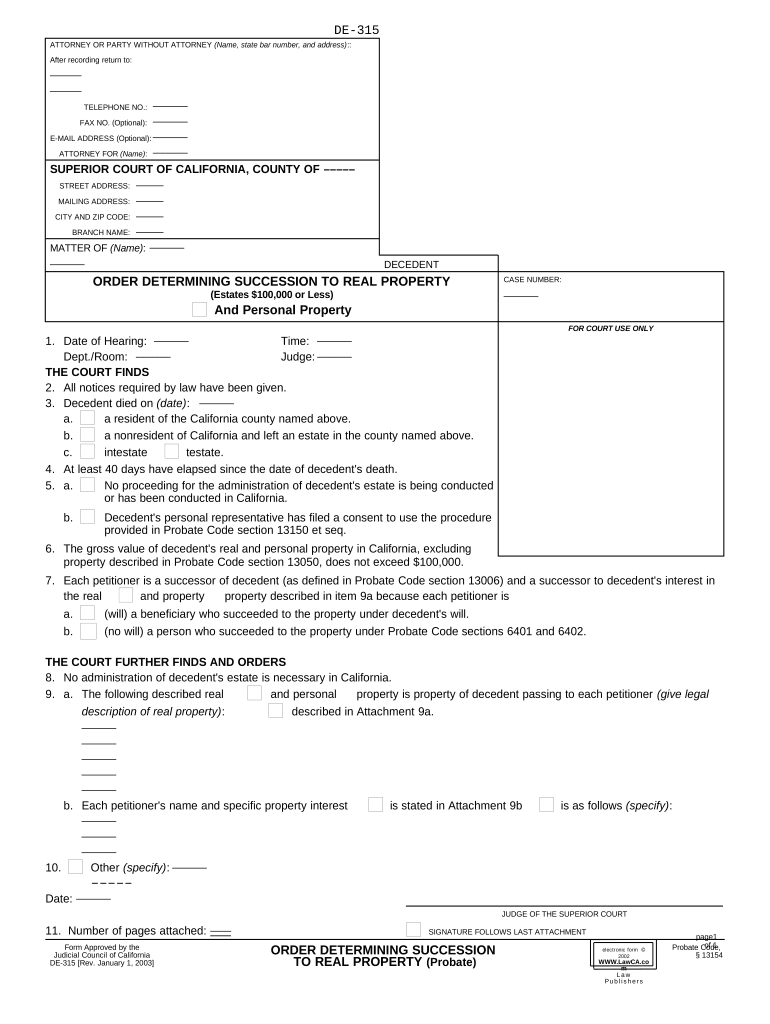
California Real Property refers to legal documents and records that establish, transfer, or affect ownership, interests, or rights in real estate located within California. Typical instruments include deeds, deeds of trust, grant deeds, quitclaim deeds, purchase agreements, leases, easements, and recorded notices. These documents create binding obligations under California property and recording statutes and often require notarization, acknowledgment, or specific witness procedures before recording with a county recorder. Understanding required fields, recording fees, and state-specific formalities is essential to ensure marketable title, enforceability, and successful recording in California counties.
Why accurate California Real Property documentation matters

A professionally prepared California Real Property document reduces recording errors, supports clear chain of title, and minimizes legal disputes. Precise completion and compliance with state recording requirements protect parties from delays, rejected records, tax consequences, and potential defects in ownership or lien priority.

Why accurate California Real Property documentation matters

Who handles and signs California Real Property documents

Typical users include real estate agents, escrow officers, title companies, lenders, attorneys, and individual buyers or sellers.

  • Real estate brokers and agents preparing purchase agreements and disclosures for residential or commercial transactions.
  • Title and escrow companies assembling deed packages, verifying legal descriptions, and filing county recorder documents.
  • Attorneys and lenders reviewing chain of title, drafting deeds of trust, and ensuring enforceable grant language.

Core elements to include in a California Real Property document

A complete California Real Property document combines accurate property description, parties' identities, signatures, notarization, recording data, and any applicable encumbrance or deed-specific clauses.

Legal Description

Use the full metes-and-bounds or lot and tract description matching county records. Avoid shorthand; incorrect descriptions commonly cause recording rejection and title defects and may require corrective deeds or quiet title actions.

Parties

List full legal names exactly as on government identification or entity formation documents; include mailing addresses and capacity (e.g., trustee, personal representative) to prevent ambiguity in ownership rights.

Consideration

State the purchase price or other consideration numerically and in words where required; ambiguous language can affect enforceability and tax reporting such as documentary transfer tax calculations.

Signatures

All grantors must sign following California notary acknowledgement standards. For entities, include officer title and corporate resolution evidence to confirm authority to sign.

Notarial Acknowledgment

Notary must complete acknowledgment block consistent with California Government Code requirements; RON rules vary and require separate procedures when used for remote notarizations, including identity-proofing and retention obligations.

Recording Data

Include county recorder file information, assessor parcel number (APN), and any request for special handling; confirm required recording fees and forms with the relevant county recorder's office.

Required fields and essential data points

Grantor: Full legal name as on ID.
Grantee: Full legal name and address.
Legal Description: Complete metes-and-bounds or lot/tract.
Consideration: Monetary amount spelled and numeric.
Notary Block: Acknowledgment completed and dated.
Recording County: County name and APN included.

Step-by-step: preparing, signing, and recording

Follow these steps to prepare, sign, notarize, and record a California real property document accurately.

  • 01
    Draft: Assemble deed terms, parties, and legal description.
  • 02
    Review: Confirm names, consideration, and authority to convey.
  • 03
    Notarize: Sign before notary and complete acknowledgment block.
  • 04
    Record: Submit to county recorder with correct fees and copies.

Where to send California property documents for processing

Routing and submission options for California real property documents include county recording, escrow delivery, lender delivery, and electronic submission where supported.

  • County Recorder: Primary filing location for deeds and notices.
  • Escrow: Delivered to escrow officer for closing and disbursement.
  • Lender: Provide originals to lender for loan file and liens.
  • Electronic Filing: Available in some counties; confirm format and fee requirements.

Digital signing and eSubmission requirements

Electronic completion and eSubmission require compatible document formats, signer authentication, and audit trail capture for compliance and recording acceptance.

  • Formats: PDF/A, DOCX, or system-exported PDF.
  • Authentication: Email, SMS OTP, or stronger KBA.
  • Integrations: Salesforce, NetSuite, Google Workspace supported.

How to configure an online workflow for property documents

Configure online workflows to place fields, set signer order, and enable authentication and notifications for California property transactions.

Field Configuration
Signature Required for each grantor, date field attached.
Notary Include acknowledgment block matching county form.
Conditional Show mortgage clauses only if lender involved.
Authentication Use SMS OTP or KBA for remote signers.
Attachments Attach preliminary title report or disclosure forms.

Differences among common conveyance instruments

Key distinctions among common conveyance documents help determine risk allocation for title warranties, encumbrances, and post-closing claims.

Document Type Typical Use Warranty Level
Grant Deed conveys title limited implied warranty
Quitclaim Deed transfers whatever interest no warranty
Warranty Deed conveys title with warranties strong warranty
Deed of Trust secures loan interest not conveyance

Pricing and feature overview for common eSignature vendors

Pricing and feature tradeoffs affect cost-per-signature, bulk workflows, and compliance needs; the table compares core items across leading vendors.

signNow DocuSign Adobe Sign PandaDoc HelloSign
Starting Price $8/user/mo $15/user/mo $14/user/mo $19/user/mo $15/user/mo
Free Trial 7-day free trial Varies by plan Varies by plan Varies by plan Varies by plan
Bulk Send Yes (Business Premium) Plan-dependent Plan-dependent Plan-dependent Plan-dependent
Audit Trail Yes Yes Yes Yes Yes
Envelope Cap No cap 100 envelopes/user/year Varies by plan Varies by plan Varies by plan

Penalties and risks of incorrect property documents

Recording Rejection: Incorrect forms lead to non-recording.
Title Defects: Ambiguous description creates clouds on title.
Tax Liability: Undisclosed consideration triggers transfer tax audit.
Fraud Risk: Improper signatures can void conveyance.
Mechanic's Liens: Failure to record releases invites liens.
Delayed Closings: Errors cause closing postponements and costs.

Common mistakes to avoid when preparing property documents

  • Using informal or abbreviated legal descriptions that do not match county records, leading to recording rejection and potential quiet-title litigation.
  • Mismatched party names between deed, title, and identification resulting in escrow holds, verification delays, or title insurance exceptions.
  • Omitting required notarial acknowledgments or using incorrect notary certificate language for the county recorder's format, causing non-acceptance.
  • Failing to disclose liens, easements, or prior encumbrances which may result in title claims or lender underwriting refusals.

Practical tips to speed processing and protect title

Follow these practices to reduce errors, accelerate recording, and protect title integrity in California real property transfers.

Verify legal descriptions and APNs
Cross-check the legal description against prior recorded instruments and the county assessor's records. Confirm APN to ensure indexing under the correct parcel; correct early to avoid corrective deeds and potential litigation.
Confirm signatory authority and corporate resolution
Obtain corporate resolutions, trustee certificates, or partnership authorizations before execution. When an entity signs, include printed title and attach evidence of authority to prevent post-closing disputes and title insurer exceptions.
Use correct notary acknowledgments and formats
Complete the notary block exactly as required by California law, and when using RON, ensure identity-proofing and recording of the audio-video session per relevant standards to preserve acceptance.
Coordinate closely with title and escrow professionals
Submit documents to title and escrow early for review, secure payoff demands, and confirm recording instructions and fee schedules with the county recorder to avoid delays at closing.

Real-world examples of digital execution in property workflows

These examples illustrate how property transactions and related agreements benefit from digital execution and organized recording workflows.

Martin Properties

Martin Properties moved closing paperwork online to streamline remote transactions and avoid in-person signatures for out-of-state buyers.

  • Digital signing cut turnaround times to under 24 hours.
  • The company reported consistent compliance and security while enabling mobile and offline signing; integrating e-signature into escrow and title workflows reduced delays and simplified recordkeeping for post-closing audits and lender delivery.

Optica Ventures

Optica Ventures adopted online signatures for investor agreements and property management workflows to simplify execution across remote stakeholders.

  • Customers found the interface simple and intuitive.
  • As a result, execution rates improved and document turnaround shortened; the firm maintained enforceability and a robust audit trail to support compliance and due diligence in property financing and transfers.

Typical timelines and processing expectations

Timing expectations vary by county and workflow; plan for recording windows, escrow cutoffs, and lender clearance to avoid closing delays.

Recording Processing Time:

Same day to several days depending on county workload.

Escrow Cutoff Times:

Escrow often sets daily cutoff times for recording submissions and funding.

Lender Payoff Processing:

Payoff demands require 3–5 business days to prepare and clear prior liens.

Return of Recorded Instruments:

Recorders return stamped originals in 1–4 weeks unless expedited.

Tax Reporting Deadlines:

Property transfer taxes computed at recording; consult county for due dates.

Notarization and witness workflow for California real property

Notarization and witness steps ensure proper execution before recording; follow sequence to maintain acceptance and evidentiary weight.

01

Prepare Document

Finalize all blanks and verify legal descriptions before signing.

02

Identify Signers

Collect government ID and confirm capacity to sign.

03

Sign Before Notary

Grantors sign in notary's physical presence or via RON.

04

Notary Completes Acknowledgment

Notary completes certificate and stamps the document.

05

Witnesses Sign (if required)

Florida and other states may require two witnesses.

06

RON Procedures (if used)

Complete identity proofing, audio-video session, and retention.

07

Attach Exhibits

Include exhibits, endorsements, and resolution documents required.

08

Record Document

Submit original with correct fees to county recorder.

How to amend or correct a recorded instrument

Amending or correcting recorded California real property documents requires formal corrective deeds or re-recording to preserve title clarity and chain of title.

01

Identify Error:

Pinpoint incorrect clause, name, or legal description.
02

Consult Counsel:

Seek attorney advice for corrective instrument drafting.
03

Prepare Corrective Deed:

Draft deed clearly stating correction and reference to original.
04

Sign and Notarize:

All necessary parties sign before notary as required.
05

Record Correction:

Record corrective deed with county recorder referencing original document.
06

Notify Title:

Inform title insurer and lenders of the corrective filing.

Representative professionals who manage California property filings

Title Officer

A title officer coordinates searches, prepares deed packages, and ensures recording instructions match lender and escrow requirements. They verify legal descriptions, APNs, and title exceptions, and liaise with county recorders to confirm acceptance and expedite stamped returns for closings.

Real Estate Attorney

A real estate attorney reviews conveyance language, drafts corrective deeds, and advises clients on tax and estate implications. They confirm signatory authority, prepare corporate resolutions, and coordinate recording strategy to reduce litigation risk and protect client property interests.

Frequently asked questions about California Real Property documents

Answers to common questions about completing, notarizing, and recording California real property documents, including eSignature and RON considerations.


Need help? Contact support

be ready to get more
Join over 28 million airSlate SignNow users