Establishing secure connection…Loading editor…Preparing document…

Condolence Letter

This template is fully customizable. Edit the text, fill out the fields, and send it for signature. Give it a try!
Condolence Letter

What a Condolence Letter Is and When It’s Used

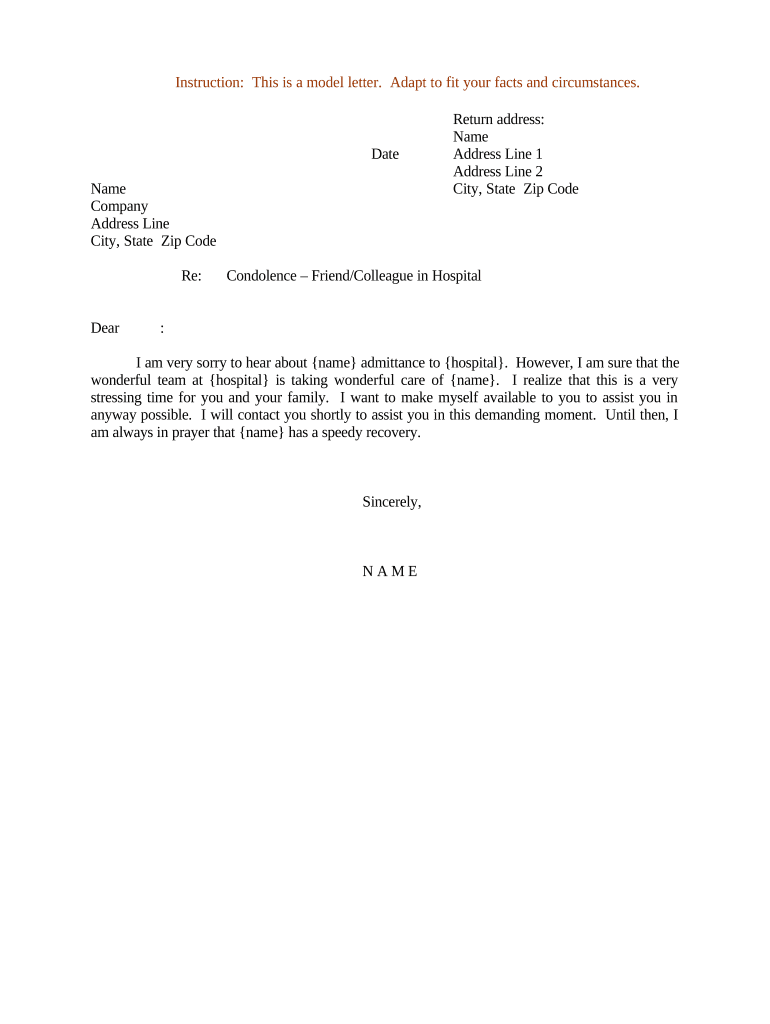
A Condolence Letter is a personal, written message expressing sympathy to someone who has experienced a loss. It records condolences, offers support, and may confirm practical details such as memorial arrangements, contact information, or next steps when the sender represents an organization. Though primarily emotional and interpersonal, a Condolence Letter can also document professional outreach after an employee, client, or partner death. The tone should be respectful, succinct, and factual where necessary; it need not be legally formal but should avoid disclosing protected health information without authorization.

Why a Clear Condolence Letter Matters

A well-written Condolence Letter preserves empathy while communicating practical information, reduces confusion among recipients, and creates a respectful written record. For organizations, it signals care and helps coordinate follow-up actions without exposing private medical details or legal risks.

Why a Clear Condolence Letter Matters

Who Typically Prepares or Sends a Condolence Letter

Individuals and organizations send Condolence Letters after a death to express sympathy, convey logistical details, or document outreach.

  • Family members and close friends — personal messages with recollections and offers of support.
  • Employers and HR teams — brief, factual notices plus information on benefits and administrative steps.
  • Institutions (schools, religious organizations, clubs) — formal acknowledgments and guidance for community responses.

The sender’s role shapes the content: private notes focus on warmth, while institutional letters combine sympathy with concise practical guidance.

Essential parts of a professional Condolence Letter

Include a clear structure so the message is respectful and easy to follow: opening sympathy, brief personal or organizational note, any necessary facts, and a closing with contact details.

Opening

Begin with a sincere expression of sympathy that names the deceased and acknowledges the recipient’s loss in a respectful tone.
Personal Note

Add a short memory or recognition of the deceased’s qualities if sender knew them personally; keep it brief and appropriate for the relationship.

Practical Details

Provide factual logistics only when necessary (funeral/Memorial date, points of contact, benefits or administrative steps).

Privacy Caution

Avoid sharing protected health information or medical details without authorized release; limit content to what the recipient needs to know.

Signature

Include sender name, role or relationship, and best contact information so recipients can reply or seek assistance.

Tone & Length

Keep the letter concise and sincere; one page is usually sufficient and prevents inadvertent disclosure of sensitive information.

Step-by-step: Drafting and Sending a Condolence Letter

Follow a simple sequence to ensure the message is appropriate and reaches the intended recipient securely.

  • 01
    Draft: Write a short, sincere message focused on sympathy and needed facts.
  • 02
    Review: Check tone, names, and that no protected health information is disclosed.
  • 03
    Choose Delivery: Decide between postal mail, email, or an e-signed PDF based on recipient preference and privacy.
  • 04
    Record: Retain a copy in appropriate records with date and sender details.

Typical routing for organizational Condolence Letters

Organizations should define a simple workflow so letters are timely, consistent, and privacy-conscious.

  • Notify HR: HR records death and authorizes outreach.
  • Draft Letter: Assigned staff prepares message using approved template.
  • Approval: Supervisor or legal reviewer checks for privacy or benefit implications.
  • Deliver: Send via chosen channel and log delivery in records.

Digital delivery considerations for Condolence Letters

Use secure channels when sending sensitive messages, especially for organizational correspondence involving employee or patient information.

  • Encryption: Transport-level encryption required.
  • Authentication: Verify recipient identity for sensitive details.
  • Audit Trail: Record timestamp and delivery status.

If the letter touches protected health information or student records, ensure the chosen platform and workflow meet HIPAA or FERPA requirements and retain logs for compliance.

Configuring a simple e-delivery workflow

A minimal setup helps organizations send Condolence Letters consistently while protecting privacy.

Field Configuration
Template Standardized letter with editable fields for names and dates
Authentication Email link or SMS code for recipient access
Recordkeeping Save signed or sent copy to HR or case file
Access Control Limit who can view letters in the system

Practical tips to keep Condolence Letters accurate and respectful

Follow these editorial and privacy-focused practices to avoid errors and maintain dignity.

Use a short, human tone
Write one to three short paragraphs that acknowledge loss, offer support, and include any required logistical or benefits information without medical specifics.
Verify names and dates
Confirm spelling of the deceased and recipient names and ensure dates are accurate; errors can cause distress and undermine trust.
Limit sensitive details
Do not include protected health information or particulars of medical treatment unless the recipient has authorized disclosure.
Document outreach
Log the letter, delivery method, and sender for organizational records and any downstream HR or benefits processing.

Common mistakes to avoid when preparing a Condolence Letter

  • Using overly formal legal language that sounds impersonal and may alienate recipients.
  • Including medical details or causes of death without explicit authorization from next of kin.
  • Delaying the message so it arrives after funeral arrangements are complete or after the family has already received multiple notices.
  • Failing to record the outreach, which complicates benefits administration or follow-up assistance.

Risks and potential consequences of incorrect Condolence Letters

Privacy Breach: May trigger HIPAA penalties if PHI is disclosed without authorization.
Reputational Harm: Insensitive or incorrect letters can damage trust and public perception.
Benefit Delays: Missing or inaccurate information can delay insurance or HR processes.
Emotional Harm: Incorrect names or details may cause distress and potential complaints.
Legal Claims: Rare but possible if letter contains defamatory or unauthorized disclosures.
Regulatory Review: Organizational missteps can lead to agency inquiries in regulated industries.

Information fields commonly included and why they matter

Recipient Name: Full name for accurate delivery
Deceased Name: Full name for clarity
Letter Date: MM/DD/YYYY for records
Sender Identity: Name and role to enable replies
Contact Details: Phone and email for follow-up
Log Entry: Saved copy for audit trail

Real-world examples of Condolence Letter usage

Two concise scenarios illustrate how individuals and organizations tailor Condolence Letters to context and recipients.

Family Message

A neighbor writes a short personal note remembering the deceased’s kindness

  • brief memory and offer to help with errands
  • the note closes with contact details and a simple practical offer, showing support without intruding on privacy.

Employer Notice

An HR manager sends a letter to next of kin confirming the employee’s passing and outlining benefit steps

  • includes HR contact and short timeline for actions
  • the letter is factual, avoids medical details, and is saved in the employee file for benefits processing.

eSignature provider comparison for sending Condolence Letters

Basic vendor features and starting prices for common eSignature platforms. signNow appears first per platform comparison conventions.

signNow DocuSign Adobe Sign PandaDoc HelloSign
Starting Price $8/user/mo $15/user/mo $14/user/mo $19/user/mo $15/user/mo
Free Trial Yes, 7-day trial Varies by plan Varies by plan Varies by plan Varies by plan
Bulk Send Yes Yes Yes Yes No
Audit Trail Yes Yes Yes Yes Yes
HIPAA Compliant Yes Yes Yes No No

Frequently asked questions about Condolence Letters and e-delivery

Answers to common concerns about legality, privacy, delivery methods, and recordkeeping for Condolence Letters.


Need help? Contact support

be ready to get more
Join over 28 million airSlate SignNow users