Merger Mechanics
Specifies the merger form (statutory merger, short-form merger), the surviving entity, conversion ratios, and effective time so ownership transfer is precise and enforceable.
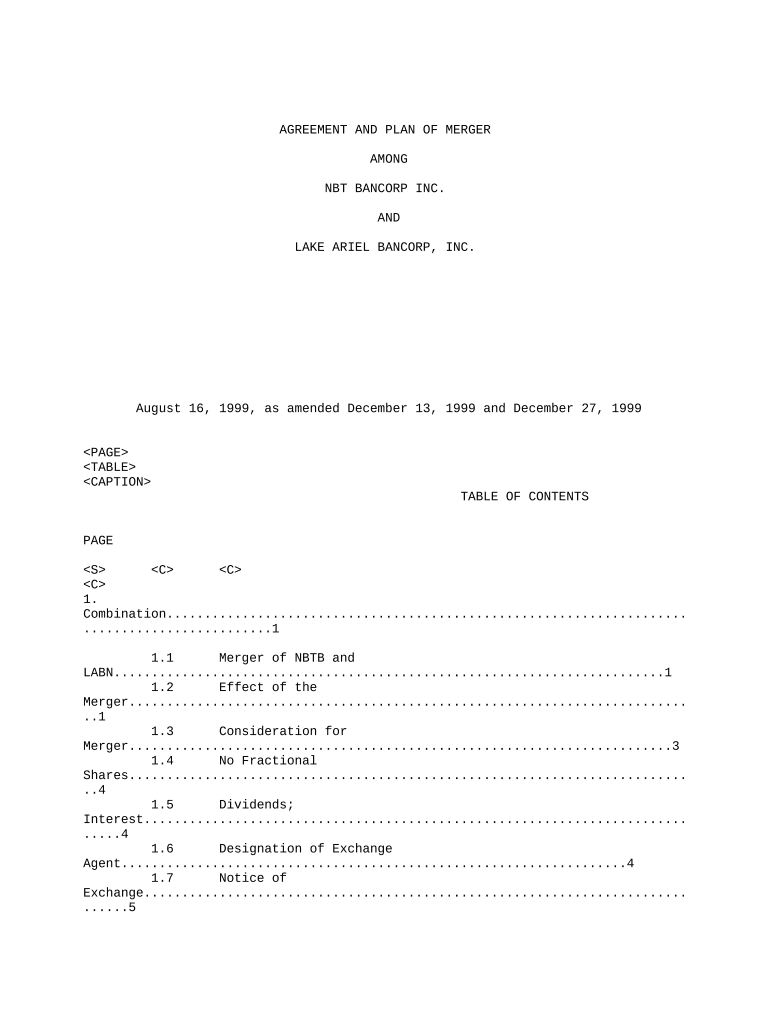
A well-drafted Agreement and Plan of Merger reduces closing risk, allocates liabilities, and records the precise economic terms of the transaction. It clarifies approval thresholds, conditions to closing, indemnity and survival periods, and transition responsibilities so parties, lenders, and regulators can rely on a single definitive instrument.

The Agreement and Plan of Merger is prepared by corporate counsel or transaction teams and signed by authorized officers following board and shareholder approvals.
After negotiation and approvals, authorized signatories execute the final agreement and distribute executed copies to stakeholders, counsel, and filing agents for recordkeeping and compliance.
Often signs on behalf of a corporate party with delegated authority after board approval; responsible for confirming conditions precedent and coordinating counsel for closing deliverables.
May sign if corporate bylaws delegate execution authority to the chief executive; typically approves strategic terms and confirms consideration mechanics.
Specifies the merger form (statutory merger, short-form merger), the surviving entity, conversion ratios, and effective time so ownership transfer is precise and enforceable.
Defines cash, stock, debt assumption, escrow amounts, and adjustments (e.g., working capital, net debt) so parties agree on final economic allocation.
Sets the factual assurances each party makes about authority, financials, assets, liabilities, and compliance; essential for indemnity claims.
Covers interim covenants (conduct of business), pre-closing obligations, and post-closing covenants such as transition services and non-competes.
Lists required approvals, absence of material adverse effect, financing, and regulatory clearances that must be satisfied or waived at closing.
Specifies survival periods, baskets, caps, cure rights, and dispute resolution (arbitration or courts) to manage post-closing risk allocation.
| Field | Configuration |
|---|---|
| Signer Order | Sequential or parallel per board approvals |
| Authentication | Email + SMS code or KBA for high-assurance signers |
| Templates | Use versioned templates for repeated merger forms |
| Audit Trail | Enable IP, timestamp, and action logging |
Choose eSignature settings that meet legal, corporate, and regulatory requirements for mergers and corporate filings.
Ensure the chosen platform captures a robust audit trail, stores signed originals securely, and can produce admissible copies for regulators or closing counsel.
Follow corporate bylaws and state statutes for notice periods
Schedule in compliance with notice requirements for voting
Allow time for antitrust or sectoral approvals
File merger certificate promptly after closing
File any elections (e.g., Section 338) within IRS deadlines
Term sheet and key economic terms agreed.
Buy-side completes legal, financial, and tax reviews.
Boards and shareholders approve; parties execute agreement.
Delivery of closing items, funds transfer, and statutory filings.
| signNow | DocuSign | Adobe Sign | PandaDoc | HelloSign | |
|---|---|---|---|---|---|
| Starting Price | $8/user/mo | $15/user/mo | $14/user/mo | $19/user/mo | $15/user/mo |
| Free Trial | 7-day free trial | Varies by plan | Varies by plan | Varies by plan | Varies by plan |
| Bulk Send | Yes | Yes | Yes | Yes | Varies by plan |
| Audit Trail | Yes | Yes | Yes | Yes | Yes |
| HIPAA Compliant | Yes | Yes | Yes | No | No |
Optica used a standardized merger template to accelerate approvals.
Martin Properties digitized closing binders for a property-holding merger.