Establishing secure connection…Loading editor…Preparing document…

Request Payment Form

This template is fully customizable. Edit the text, fill out the fields, and send it for signature. Give it a try!
Request Payment Form

What a Request Payment Form Is and When It’s Used

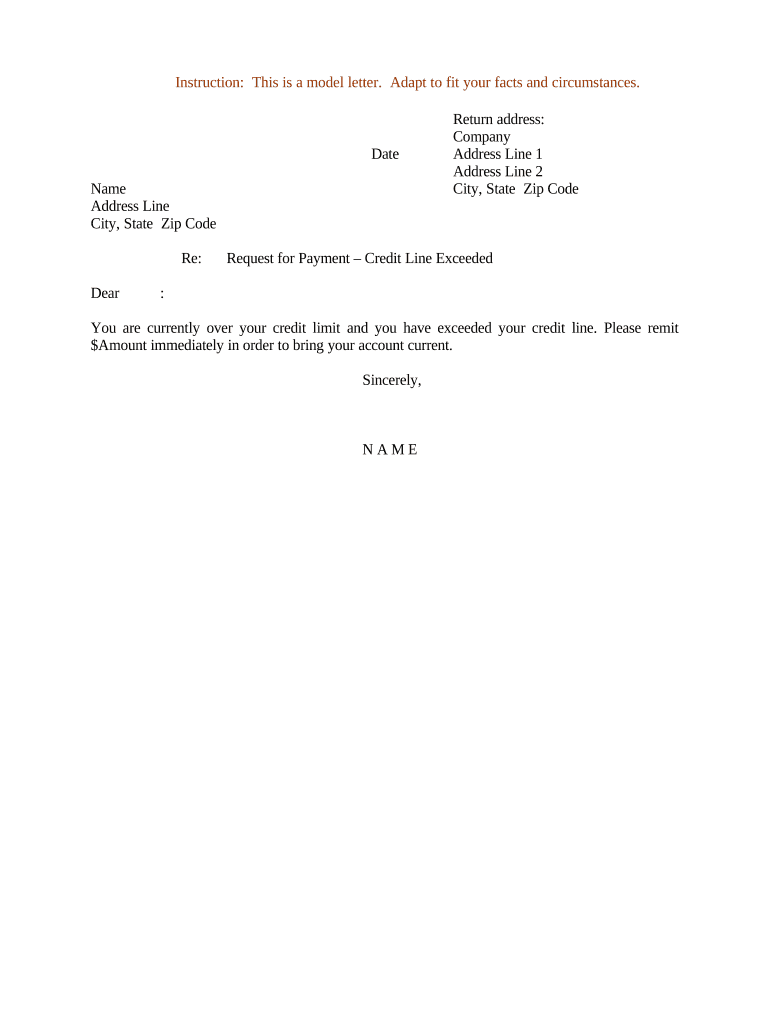
A Request Payment Form is a structured document used to notify a payer of an amount due, state payment terms, and provide account or remittance instructions. It can be a standalone invoice, a payment request attachment, or a form sent before invoicing to collect tax or billing information. Organizations use it to create a clear, auditable record of the request and reduce disputes by specifying due dates, accepted payment methods, and any applicable late fees or discounts.

Why a Clear Request Payment Form Matters

A professional Request Payment Form reduces billing errors, speeds reconciliation, and creates an auditable trail for collections and tax reporting. It clarifies obligations and preserves supporting information needed for financial records, compliance, and potential disputes.

Why a Clear Request Payment Form Matters

Who Typically Prepares or Receives This Form

Common users span billing teams, independent contractors, accounts payable, and client services who need formal payment notices.

  • Small business owners and freelancers who invoice clients and track payment status.
  • Accounts receivable teams in mid-market firms managing high-volume billing and collections.
  • Government contractors or grant managers who require documented payment requests for audits.

Recipients include customers, partner organizations, finance teams, and third-party payors responsible for remitting funds.

Core Elements of a Professional Request Payment Form

A complete form balances legal clarity and payment logistics so finance and payer systems can process the request without manual follow-up.

Header

Company name, billing contact, and unique request or invoice number that identifies the transaction for accounting systems and audit trails.
Remittance Details

Payment methods, bank routing or ACH details, account numbers, and any reference codes required to match payment to the request.

Amount and Currency

Line-item amounts, subtotal, taxes, total due, and currency designation to avoid ambiguity in international or multi-currency payments.

Due Date Terms

Clear due date, applicable grace period, discount or late fee terms, and how interest is calculated on past-due balances.

Tax & Reporting Info

Tax identification numbers (TIN/EIN), 1099 or W-9 requests, and language required for payer tax reporting obligations.

Signature & Audit

Signature block or e-signature field plus audit-trail data (timestamp, signer identity) showing who approved the request.

Essential Data Fields to Always Include

Payer Name: Full legal name
Payee Name: Legal entity name
Amount Due: Numeric amount
Due Date: MM/DD/YYYY
Payment Method: ACH, wire, check
Reference No.: Invoice or PO

Step-by-Step: Completing a Request Payment Form

Follow these sequential steps to prepare and send a clear, enforceable payment request.

  • 01
    Identify Parties: Enter full legal names and contact details for payer and payee.
  • 02
    Specify Amounts: List line items, taxes, and total due with currency.
  • 03
    Set Terms: Define due date, late fees, and acceptable payment methods.
  • 04
    Add Signatures: Collect signature and date to evidence authorization.

Configuring an Online Request Payment Workflow

Set up fields, notifications, and approvals to automate routing and reduce manual intervention.

Field Configuration
Amount Field Validated numeric; two decimals; currency picker
Due Date Field Date picker; MM/DD/YYYY validation
Remittance Instructions Multi-line text; optional attachments allowed
Approval Workflow Conditional signers and email reminders

Digital Delivery and Integration Considerations

Choose tools that support secure e-signing, attachments, and integrations with accounting or ERP systems.

  • File Formats: PDF, DOCX, or HTML
  • Integrations: Salesforce, NetSuite, Google Workspace
  • Security: TLS in transit; AES-256 at rest

Ensure chosen platforms provide audit trails and retention options that meet your internal controls and regulatory obligations.

Typical Routing: From Request to Receipt

A standard path moves the form from payer notification through payment confirmation with audit evidence captured at each step.

  • Prepare: Create form and attach supporting documentation.
  • Send: Email or secure link with payment instructions.
  • Pay: Payer submits payment via chosen method.
  • Confirm: Remittance posted and receipt delivered to payer.

Common Timelines and Payment Deadlines

Use consistent deadlines on every form and align reminders and escalation steps to avoid collection delays.

Payment Due Date:

Specify exact MM/DD/YYYY and time zone.

Net Terms Example:

Common terms: Net 15, Net 30, Net 60 depending on agreement.

First Reminder:

Send 7–10 days before or immediately after due date.

Late Notice:

Issue 15–30 days after unpaid due date with penalties.

Final Demand:

Escalate to collections or legal action after 60–90 days.

Key Processing Milestones for a Payment Request

Track these stages to measure progress and trigger automated actions in the workflow.

01

Create Request

Form prepared with amounts, terms, and attachments.

02

Send to Payer

Dispatch via chosen channel and capture delivery proof.

03

Receive Payment

Payment applied and remittance recorded in accounting system.

04

Close Request

Issue receipt and update ledger for reconciliation.

Common Mistakes That Slow Payments

  • Missing or incorrect bank details causing returned payments and reconciliation delays.
  • Unclear due dates or time zone omissions creating payer confusion and late payments.
  • Absent purchase order or contract reference forcing manual matching by accounts payable.
  • Failure to include tax ID or W-9 request triggering backup withholding or reporting delays.

Risks and Consequences of Incorrect Payment Requests

Delayed Cash Flow: Extended receivables
Bank Returns: Returned payment fees
Backup Withholding: 24% withholding risk
Tax Reporting Errors: Incorrect 1099 reporting
Contract Disputes: Disputed amounts increase legal costs
Compliance Failures: Recordkeeping deficiencies

eSignature Vendor Pricing Snapshot for Payment Requests

This comparison highlights starting prices and a few capability distinctions relevant when sending Request Payment Forms electronically.

signNow DocuSign Adobe Sign PandaDoc HelloSign
Starting Price $8/user/mo $15/user/mo $14/user/mo $19/user/mo $15/user/mo
Free Trial Yes, 7-day trial Varies by vendor Varies by vendor Varies by vendor Varies by vendor
Bulk Send Yes Yes Yes Yes No
Audit Trail Yes Yes Yes Yes Yes
HIPAA Compliant Yes Yes Yes No No

Real Examples of Payment Request Workflows in Use

Organizations use standardized payment requests to speed remittance and provide enforceable records in audits or disputes.

Optica Ventures

Optica created templated payment requests to reduce customer confusion and missed payments.

  • The interface is simple and easy-to-use for our team.
  • The result was faster customer responses and fewer reconciliation exceptions, improving cash flow and client satisfaction.

Martin Properties

A property management firm moved rent requests online to capture signatures and receipts immediately.

  • I can process and execute all of these documents online with 100% compliance.
  • They reduced manual posting time, improved tenant payment visibility, and maintained a clear audit trail for accounting and legal needs.

Frequently Asked Questions About Request Payment Forms

Answers to common questions about legal validity, electronic signing, tax reporting, and troubleshooting delivery or payment issues.


Need help? Contact support

be ready to get more
Join over 28 million airSlate SignNow users