Establishing secure connection…Loading editor…Preparing document…

Thank You Letter

This template is fully customizable. Edit the text, fill out the fields, and send it for signature. Give it a try!
Thank You Letter

What a Thank You Letter Is and When to Use It

A Thank You Letter is a concise written message acknowledging a meeting, gift, interview, referral, or completed transaction. It documents appreciation, restates key points or next steps, and reinforces professional relationships. For businesses it can confirm receipt of documents, summarize commitments, and serve as a short record of communication that may be stored with other transaction files.

Why a Clear Thank You Letter Matters

A well-crafted Thank You Letter preserves goodwill, documents acknowledgements, and reduces follow-up ambiguity. It can improve relationship management and create a concise written trail for decisions, referrals, or agreed next steps.

Why a Clear Thank You Letter Matters

Who Commonly Sends Thank You Letters

Thank You Letters are used across roles and industries where short written acknowledgements support relationships and recordkeeping.

  • Real Estate agents and property managers use them after showings or closings to summarize client conversations and next steps.
  • Healthcare administrators send brief acknowledgements for referrals, volunteer support, or completed training sessions where a written record aids compliance.
  • Hiring managers and recruiters send interview thank-you notes to confirm timeline and candidate contact details.

Who Can Sign or Send a Thank You Letter

Employee — Account Manager

An individual contributor or account manager may send a Thank You Letter on behalf of their organization to acknowledge meetings or client interactions and to document agreed follow-up actions; company policy should define signature authority for binding acknowledgments.

Authorized Signer — Officer

An officer or authorized representative can sign letters that confirm contractual milestones or acceptance of deliverables, particularly when the letter references formal obligations or payments.

Core Elements of a Professional Thank You Letter

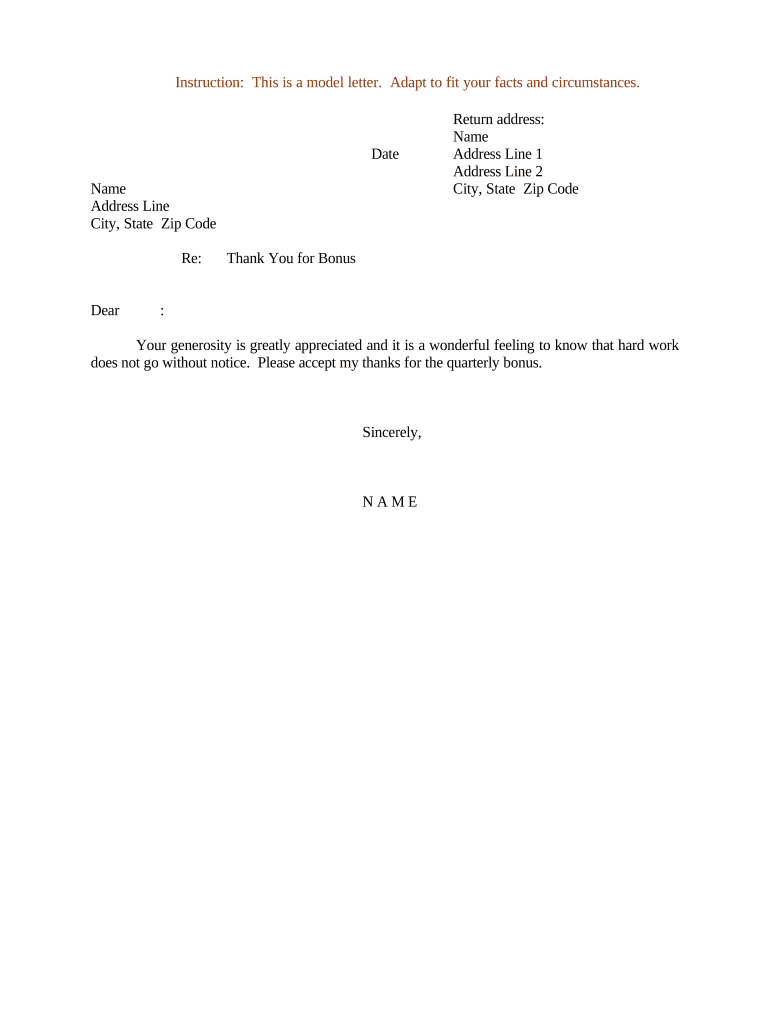
A clear structure helps the recipient understand the context, appreciation, and next steps. Include concise factual details and a respectful closing.

Salutation

Open with a personalized greeting using the recipient’s preferred name and title to set a considerate tone and establish context for the message.
First Paragraph

Briefly state what you are thanking the recipient for and reference the specific event, date, or transaction to anchor the message in a single clear fact.

Detail Paragraph

Summarize key points, agreed next steps, or items you will deliver; keep it factual and avoid new commitments that require formal approval.

Action Items

List any follow-up tasks with responsible parties and dates if applicable, using short bullet points or one-line sentences for clarity.

Closing

Use a professional closing sentence that reiterates appreciation and indicates openness to further contact or questions.

Signature

Include your typed name, job title, organization, and a signature block; for formal acknowledgements include date and contact information.

Essential Fields to Include

Sender Name: Full legal name
Recipient Name: Full legal name
Date: MM/DD/YYYY
Subject Line: One-line summary
Message Body: Concise acknowledgement
Signature Block: Name, title, contact

Step-by-Step: Creating a Clear Thank You Letter

Follow these four practical steps to draft, review, and send a concise, accurate Thank You Letter.

  • 01
    Draft: Draft a short message referencing the event and date.
  • 02
    Confirm Details: Verify names, dates, and any follow-up items.
  • 03
    Approve: Obtain required internal approvals for commitments.
  • 04
    Send and Archive: Send via chosen channel and save a copy to records.

Where to Send or File a Thank You Letter

Choose distribution and storage methods that match the relationship and any regulatory requirements for the content.

  • Direct Email: Immediate delivery and archive in mail systems.
  • Postal Mail: Use for formal acknowledgements or where a physical record is preferred.
  • CRM Entry: Attach letter to the relevant contact or deal record.
  • HR or File Folder: Store with candidate or employee records as needed.

Distribution Options and Platform Capabilities

Select a delivery method that preserves the message and provides the required level of proof or retention.

  • Email Systems: Save a copy in company mail archives.
  • eSignature Platforms: Capture signature, timestamp, and audit trail.
  • Physical Mail: Retain proof of mailing when required.

Recommended Timelines and Processing Expectations

Timing affects reception and record accuracy. These are common practice benchmarks for sending Thank You Letters.

Send Promptly:

Within 24–72 hours after the event or meeting.

Internal Review Time:

Allow 24–48 hours for approvals on formal acknowledgements.

Archive Deadline:

Save to records immediately after sending.

Follow-up Window:

Send any substantive follow-up within 7–14 days.

Retention Start:

Retention typically begins on the send date.

Common Mistakes to Avoid

  • Using vague language or making unapproved promises can create confusion about obligations and may require corrective communication.
  • Failing to verify recipient names or titles leads to unprofessional impressions and may complicate record matching in CRM or HR systems.
  • Delaying delivery reduces the perceived sincerity and may hinder the usefulness of the letter as a contemporaneous record.
  • Not saving a copy to the proper file can result in loss of evidence for follow-up, audit, or dispute resolution.

Potential Risks of Incorrect or Misleading Letters

Reputational Harm: Misstatements damage trust.
Contract Confusion: Ambiguous promises create disputes.
Regulatory Exposure: PHI disclosure risks HIPAA.
Recordkeeping Gaps: Missing archives impede audits.
Privacy Violations: Unauthorized data sharing risks penalties.
Operational Delay: Incorrect follow-up slows processes.

Real-World Examples and How Organizations Use Thank You Letters

These condensed examples show practical uses of short acknowledgements across different organizations and workflows.

Optica Ventures LLC

An operations team sent a standardized thank-you after onboarding meetings to confirm deliverables and contacts

  • The note reiterated action items and deadlines
  • This reduced follow-up emails and improved on-time delivery tracking by clarifying responsibilities in writing.

Fertility Centers of Illinois

A clinical admin used brief acknowledgements after patient referrals to confirm receipt and next steps

  • The letter referenced appointment dates and required forms
  • The documented acknowledgement improved patient intake accuracy and internal coordination across staff.

Comparing Formats: Printed, Email, and E-sign Thank You Letters

Choose a format based on formality, speed, and need for proof; the table highlights key differences.

Format Printed Email E-sign
Formality high medium medium
Delivery Speed slow immediate immediate
Record Retention physical file email archive audit trail
Proof of Receipt return receipt read receipt signed certificate

eSignature Vendor Comparison for Sending Signed Thank You Letters

Basic pricing and feature availability for common eSignature vendors; signNow is listed first per comparative conventions.

signNow DocuSign Adobe Sign PandaDoc HelloSign
Starting Price $8/user/mo $15/user/mo $14/user/mo $19/user/mo $15/user/mo
Free Trial 7-day trial Varies Varies Varies Varies
Bulk Send Yes Yes Yes Yes No
Audit Trail Yes Yes Yes Yes Yes
HIPAA Compliant Yes Yes Yes No No
Envelope Cap No cap 100 envelopes/user/year Varies Varies Varies

How to Configure an Online Thank You Letter Workflow

Set up fields, authentication, and routing to match the formality and recordkeeping needs of the letter.

Field Configuration
Template Setup Create reusable template with fixed headers and variable fields
Field Placement Place name, date, and signature fields in standard locations
Authentication Select email or SMS code per sensitivity
Notifications Enable sender and recipient confirmations

How to Download and Save Thank You Letters

Export options affect long-term accessibility and compliance; choose formats that meet your archive and sharing needs.

PDF Export

Save a final, non-editable copy (PDF/A recommended for archiving) that includes signature images, timestamps, and any platform audit metadata.

DOCX Export

Download an editable Word document for reuse or internal modification; retain a PDF final version for records to prevent accidental edits.

HTML or Plain Text

Use HTML for web archives or plain text for lightweight storage; ensure the exported file includes the send date and sender identity.

System Archive

Store the signed record in your CRM or document management system to keep it linked to the related contact or transaction.

Milestones and Key Stages for Sending a Thank You Letter

A simple milestone sequence ensures timely delivery and proper archival of the acknowledgement.

01

Draft Complete

Message drafted and facts verified.

02

Approval Obtained

Manager or legal sign-off when required.

03

Send Letter

Deliver via chosen channel and note send date.

04

Archive Entry

Attach letter to the relevant record or folder.

Frequently Asked Questions About Thank You Letters

Answers to common questions about format, legality, delivery, and recordkeeping for Thank You Letters.


Need help? Contact support

Practical Tips for Accurate and Efficient Letters

Adopt simple habits to reduce errors and speed processing when sending Thank You Letters at scale.

Use a Template
Standardize salutations and closing paragraphs in a template to ensure consistent tone and reduce data entry errors while allowing personalization for key facts.
Verify Recipient Data
Confirm recipient name, title, and contact details against your CRM or HR system before sending to avoid misaddressed communications.
Record the Send Event
Log the send date, channel, and any attachments in the relevant file or CRM record to maintain an auditable trail for follow-up.
Limit Sensitive Content
Avoid including protected personal or financial data in routine thank-you notes; when necessary, use secure and compliant channels and document the justification.
be ready to get more
Join over 28 million airSlate SignNow users