Establishing secure connection…Loading editor…Preparing document…

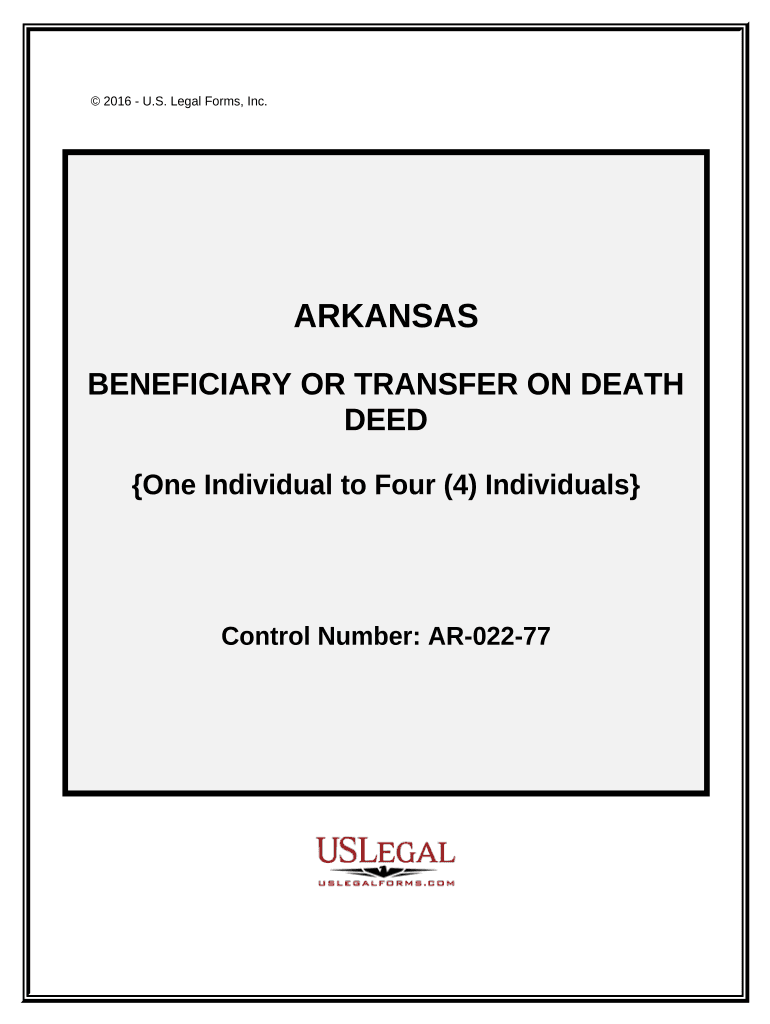
Transfer on Death Deed Form

This template is fully customizable. Edit the text, fill out the fields, and send it for signature. Give it a try!
Transfer on Death Deed Form

What a Transfer on Death Deed Form Is and When It Applies

A Transfer on Death Deed Form (TOD deed) is a recorded legal instrument that names one or more beneficiaries to receive title to real property automatically at the grantor’s death. Unlike a will, a TOD deed does not pass property through probate when properly completed and recorded during the grantor’s lifetime. The document identifies the grantor, beneficiary(ies), a full legal description of the property, and any survivorship terms; it remains revocable by the grantor until death and should comply with state recording, witness, and notary rules.

Why a Transfer on Death Deed Can Matter to Property Owners

A TOD deed can simplify transfer of real property at death by avoiding probate costs and delay when it meets state requirements. It preserves the grantor’s control during life, permits revocation, and can reduce administrative burdens for the beneficiary while retaining creditor exposure rules under state law.

Why a Transfer on Death Deed Can Matter to Property Owners

Who Commonly Prepares or Signs a TOD Deed

The form is most often prepared or requested by property owners planning estate transfers without probate.

  • Individual property owners wanting a direct, revocable transfer at death
  • Estate planners and probate attorneys documenting beneficiary designations
  • Title companies or real estate attorneys for recording and title updates

Step-by-Step: Completing a Transfer on Death Deed Form

Use this sequence to prepare the form, verify parties, and record correctly to avoid common rejections.

  • 01
    Gather documents: Obtain current deed, legal description, and IDs for signers.
  • 02
    Complete fields: Fill grantor, beneficiary, property, and county details accurately.
  • 03
    Notarize and witness: Sign before the notary and any required witnesses per state law.
  • 04
    Record deed: Submit to county recorder and obtain recorded instrument number.

Core Components Included in a Professional TOD Deed Form

A robust TOD deed form includes all essential clauses and execution elements to ensure clarity at death and compatibility with county recording processes.

Grantor Identification

Full legal name and mailing address of the grantor to establish the transferor and avoid name mismatches in title records.
Beneficiary Designation

Clear identification of the beneficiary(ies), including survivorship provisions and alternate contingent beneficiaries where applicable.

Property Description

Complete legal description copied from the existing deed; parcel or tax ID may be included to help indexing.

Revocation Clause

A statement confirming the grantor’s right to revoke the TOD deed during life, preserving flexibility and control.

Execution Block

Signature, date, notary acknowledgment, and witness lines formatted to match state execution requirements for deeds.

Recording Instructions

Space for recorder’s use and instruction for county recording, including fees, return address, and instrument references.

Required Information and Fields at a Glance

Grantor Name: Full legal name
Beneficiary Details: Name and contact
Property Description: Deed legal text
Recording County: County name
Execution Date: MM/DD/YYYY
Notary Acknowledgment: Notary signature block

How the TOD Deed Workflow Typically Flows

A simple digital workflow moves the form from preparation to signed, notarized, recorded, and stored — each step creates an auditable event.

  • Prepare: Draft form with accurate legal description.
  • Sign: Grantor executes before required witnesses and notary.
  • Record: County records deed; public record updated.
  • Transfer at Death: Title vests automatically upon grantor’s death.

Customizing an Online TOD Deed Workflow

Configure your digital workflow for consistent completion, secure execution, and proper recording handoff.

Field Configuration
Grantor Verification Require government ID upload and match fields
Notary Step Add notarization field and audio-video for RON if applicable
Witness Fields Conditional witness fields appear when state requires two witnesses
Recording Export Generate PDF/A and return-ready metadata for county recorder

Digital Signing and Submission Considerations

Electronic completion can streamline execution but must meet state execution standards and, where applicable, notary requirements.

  • Authentication: Email, SMS, or advanced signer verification
  • Document Formats: PDF, DOCX, PDF/A for archival
  • Integrations: CRM and cloud storage connectors

Timing and Recording Expectations for a TOD Deed

Recording and timing decisions affect validity and priority; record the TOD deed while the grantor is alive and competent to avoid invalidation.

Record During Life:

Record the deed before grantor’s death to ensure automatic transfer at death.

No Fixed Filing Deadline:

There is no statutory statewide deadline, but recording earlier secures priority against later liens.

County Processing Time:

Processing may vary by county from same-day to several business days.

Notary Timing:

Notarization must occur at execution; remote notarization requirements differ by state.

Update as Needed:

Revocations or replacements must also be recorded to preserve proper title history.

Key Milestones from Draft to Recorded TOD Deed

Track each milestone to confirm the deed is valid, recorded, and discoverable by title examiners.

01

Draft Complete

Form prepared with legal description and beneficiary data.

02

Execution and Notarization

Grantor signs before required notary and witnesses.

03

Recording Submission

Deliver deed and fees to county recorder for indexing.

04

Recorded Instrument

Obtain instrument number and filed copy for title records.

Common Mistakes That Lead to Rejection or Title Issues

  • Using an incomplete or incorrect legal description, which leads to recording rejection or ambiguous ownership.
  • Mismatched names between the grantor's ID, prior deed, and the TOD deed that create title chain problems.
  • Failing to obtain required witness signatures or a proper notary acknowledgment per the recording county.
  • Recording a TOD deed after the grantor's incapacity or death, which can render the instrument invalid.

Penalties and Legal Risks If a TOD Deed Is Improperly Prepared

Recording Rejection: Document returned or refused
Title Clouding: Subsequent disputes or litigation risk
Probate Exposure: Property may still go to probate
Creditor Claims: Creditors may challenge transfers
Tax Consequences: Unexpected transfer tax or basis issues
Medicaid Impact: Possible eligibility or recovery issues

How a TOD Deed Differs from Other Transfer Options

Compare common instruments to choose the right vehicle for property transfer based on probate, revocability, and timing.

Criteria TOD Deed Will Revocable Trust Joint Tenancy
Probate Required
Revocable During Life
Recording Required sometimes
Immediate Title Transfer at Death

eSignature Vendor Pricing Comparison for TOD Deed Workflows

Basic vendor pricing and feature availability can affect cost and scale for executing and distributing TOD deeds digitally; compare core criteria below.

signNow DocuSign Adobe Sign PandaDoc HelloSign
Starting Price $8/user/mo $15/user/mo $14/user/mo $19/user/mo $15/user/mo
Free Trial 7-day free trial No No Yes, limited Yes, limited
Bulk Send Yes Yes Yes Yes No
Audit Trail Yes Yes Yes Yes Yes
HIPAA Compliant Yes Yes Yes No No

How to Update or Revoke a Recorded TOD Deed

Use an explicit recorded revocation or a new recorded replacement deed to revoke or change a TOD designation; follow county recording steps.

01

Draft Revocation:

Prepare a recorded revocation document
02

Prepare Replacement:

Draft new TOD deed with updated beneficiaries
03

Execution:

Sign and notarize following state rules
04

Record New Instrument:

File with county recorder for indexing
05

Notify Title:

Provide copies to title company or mortgagee
06

Retain Records:

Keep recorded copies and proof of revocation

Frequently Asked Questions about the Transfer on Death Deed Form

Answers to common legal, execution, and recording questions to reduce errors and ensure a valid transfer at death.


Need help? Contact support

be ready to get more
Join over 28 million airSlate SignNow users