Revolutionize Your Manufacturing Business with a Nurture Marketing Strategy for Manufacturing
airSlate SignNow regularly wins awards for ease of use and setup




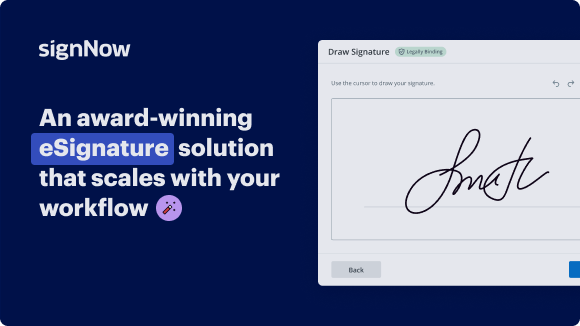
See airSlate SignNow eSignatures in action
Our user reviews speak for themselves










Why choose airSlate SignNow
-
Free 7-day trial. Choose the plan you need and try it risk-free.
-
Honest pricing for full-featured plans. airSlate SignNow offers subscription plans with no overages or hidden fees at renewal.
-
Enterprise-grade security. airSlate SignNow helps you comply with global security standards.
Nurture marketing strategy for Manufacturing
Nurture marketing strategy for Manufacturing
With airSlate airSlate SignNow, businesses can effectively manage their document workflows, ensuring secure and legally binding electronic signatures. By simplifying the eSigning process, manufacturing companies can focus on their core operations and improve overall efficiency.
Experience the benefits of airSlate SignNow today and unlock the full potential of your nurture marketing strategy for manufacturing businesses.
airSlate SignNow features that users love





Get legally-binding signatures now!
FAQs online signature
-
What is lead nurturing marketing?
Lead nurturing: The process of developing and maintaining relationships with customers at every stage of their journey, usually through marketing and communications messaging. Automated lead nurturing uses software to send messages that are triggered by customer behavior or predetermined schedules.
-
What is lead gen vs lead nurture?
Lead generation aims at producing more and more MQLs. Lead nurturing focuses on developing customer relationships with your leads and taking them to the next stages.
-
What is lead nurture in marketing?
Growing relationships with your potential customers is called lead nurturing. Lead nurturing: The process of developing and maintaining relationships with customers at every stage of their journey, usually through marketing and communications messaging.
-
What does nurture your leads mean?
Lead nurturing is the process of developing and reinforcing relationships with buyers at every stage of the sales funnel. A successful lead nurturing program focuses marketing and communication efforts on listening to the needs of prospects and providing the information and answers they need to: Build trust.
-
How to market a manufacturing product?
You can choose from many different channels, but some of the most common ones are online advertising, PR, content marketing, and email marketing. It's important to remember that you don't have to use all of these channels. It's often better to focus on a few that are most relevant to your target audience.
-
What does nurture mean in marketing?
In its simplest definition, nurture marketing is a communication strategy designed to place content in front of prospective buyers at various points in a customer's journey. Nurture marketing involves regularly reaching out to leads and your customer base by presenting important information before they ask for it.
-
What is a nurturing strategy?
Nurtures are designed to build relationships through communication and are almost conversational in nature. Your company reaches out and contacts prospects, giving them the opportunity to reply back, and so on, until, hopefully, that conversation escalates into a sale.
-
What is a nurture marketing?
It involves proactively reaching out to leads and customers by providing valuable information before they ask for it. The most accomplished nurture marketers skillfully listen to customers' feedback and customise services to fit their needs.
Trusted e-signature solution — what our customers are saying


How to create outlook signature
welcome back to another episode of growth marketers podcast i'm samuel timothy and i am taylor rowe today's episode we talked about what you can do as a manufacturing company to win in 2022 and what we mean by that is how do you take that next step we work with a lot of manufacturing companies that have kind of just done business the same way for you know 10 years or you know could be 50 years right and so how do we take that next step as leaders in the manufacturing space as marketers and help grow our company so we explain what we're seeing what we've seen over the last five ten years in shifts and trends in the manufacturing space specifically around sales and marketing and what we believe the recipe for success is in 2022 hope you enjoy the episode [Music] so taylor i know we're obviously you know coming into a new year every organization is very actively looking for how they can improve their overall business we're seeing a lot of observations just by looking at the companies mostly the ones that are actually failing and also the ones that are really succeeding there are some trends that we're seeing and obviously there are some conclusions that we can make from those so we want to use this opportunity to kind of touch on those topics today for our podcast absolutely and we work with a ton of manufacturing companies we notice a lot of trends in the companies that are maybe not doing so well i don't want to say failing but and the companies that are really struggling to take that next step in their business especially as technology evolves and buyers evolve and then trends that we notice in companies that are are really dominating and winning and separating themselves from the field so i guess let's start with the bad right what are the issues that you know manufacturing companies face in in 2022 when it comes to investing into marketing i would say the number one thing is you know more of a perspective issue or like a mindset and most companies don't even actually talk about that as a challenge most of the time you know i'm pretty sure you hear a lot about supply chains or you know worker shortage or skilled resources or renewable resources whatever all those things are could be things that people may bring up but i think from my perspective and at least from seeing or having talked with a lot of manufacturing leaders the overall perspective of how they look at the business and the marketing is a big challenge sure i mean i agree with you obviously those other not to say those other issues aren't real issues but obviously we live in the world of marketing and sales right so from that standpoint you're right there's a mentality that these manufacturing companies a lot of times not all manufacturing companies but the ones that are struggling they have this mentality as very old school kind of mentality this is the way that we do it because the way that business has always been done we've been in business for 50 years 100 years and when you talk to them about you know what makes them successful how do they get new clients where's their growth come from it's almost always around their product their customer service we have the best equipment the best machinery we are open 24 7. we have three ships so we can you know produce more and have faster turnaround times we have higher quality materials we have higher standards we have more iso certifications right everything is about that and that's great there's nothing wrong with that but that's the way that most of those businesses have gone about it's you know you need someone who has iso whatever certification you go to a directory you go to thomasnet you find that person you reach out to them and then you do business with them for the next 30 years right and that way of doing businesses is certainly changing and a lot of times when you you talk about well how do these you know how do your customers know that you have all these things that you have this expertise that you have these capabilities because when you look at their website i mean it might be from 1999 right it was the last time they updated the website and so again it comes back to what people know us in the industry we've been in business for how many years we go to industry trade shows and you know we get a lot of referrals word of mouth but what the reason they're coming to us and coming to companies like us and the reason they're starting these conversations around marketing is they are noticing that it's changing right we see a ton of turnover in these companies younger generation of engineers is coming in a lot of family-owned manufacturing companies the younger generation is taking over and they're looking to really challenge the status quo right as you should especially a business that's been in business that long technology is evolving on the production side and technology is certainly evolving on the marketing and sales side and so business is not business as usual anymore so i think that mentality of this is just the way that it's done people will find us people know about us that's going away right because as the younger generation comes in they don't know who you are people aren't going to trade shows anymore they don't know who you are and so it might be a slow decline but the companies that are winning online are seeing a steep increase right and the other perspective piece that you talked about i think comes down to the way they look at marketing in terms of investment they're trying to apply the same characteristics to the way they look at investment into their infrastructure into their building into their equipment right because as manufacturers we can look at it and say i need to buy this new piece of equipment it's a million dollar investment but here's how it's going to make us money and it's a very simple math right if we have to take out a loan we know the percentage we know how much that is going to increase our productivity we know what that's going to mean to us in terms of revenue we know what that payback period is and we can look at that and say yes it makes sense i'll spend this million dollars because it'll pay itself back in five years and then we'll be profitable on that for the next five years and here's the revenue that's gonna increase the top line our bottom line right so then we start talking about investing it doesn't matter what the number is twenty thousand two hundred thousand a million dollars into marketing and we start to look at that do the same math and not that that can't work it's just not as much of a guarantee right because we don't have increasing a building or increasing our production in terms of equipment you have somewhat of a guarantee or you know that you have enough business that you can actually increase your output from that perspective and marketing we're now looking at how do we go get new customers who have never heard about us and what's the roi and that gonna be so it's a little bit of the fear of the unknown and if you're a 50 60 year old company who's never really invested into marketing in this capacity it can be scary yeah and especially when you're talking about an equipment it's a tangible good that you can walk into the back of your production facility and touch it and feel it and see that investment whereas marketing is not and so you also have that not being able to see what the foods of it and especially in the short term maybe that also adds another other level of frustration and fear as well i think yeah so what's the solution how do we change this perspective and if we if we're talking to if there's one manufacturing company one ceo of manufacturing company that's listening to this right now that says hey that sounds a lot like my business i'm willing to change my mind what can i do to help grow my business what can i do from a marketing perspective to change that so i think the first thing is seeing the marketing as an investment not as an expense or a cost center within your organization that i think is the number one change then everything else have to add top start from that right so i think if you have that starting ground you're recognizing that marketing is an investment into the organization it's going to help increase the company's value and the brand equity and that ultimately will help grow the organization in the long term that's where i would first start sure and so let's take that a step further to say okay i'm the ceo of a manufacturing company and i'm willing to change my perspective on marketing but i don't sell to my clients so i sell through distribution channels and i have no control over their pipeline their crm they bring me business and i don't want a consumer to reach out to me because i can't sell them directly so how do we go about marketing from that and is even worth marketing when i'm not the one doing the selling i'm just manufacturing yeah so that even increases the need for marketing even better because now you have to educate someone else who is not on your payroll to be able to articulate the value of your product and then be able to make that sale to your end customer who you really have don't have a real direct control or connection with so in that case i think the empowering them with information that they need to be able to really explain the product and the value of your product right that's where marketing really can be powerful sure i agree i think we have a lot of clients that sell through distribution channels through resellers through installers through contractors whatever name you want to put on it basically they're doing the manufacturing and then someone else is doing the sales and we have really an army of commission only sales reps that are selling for us which is great the problem is almost all the clients that we work with in that scenario those are not exclusive distributors right so they sell other companies they sell competitors and so there's a lot of fluctuation in terms of sales again you have no control over that so we have to focus on what we can control and there's really in that scenario there's two different markets that we need to market to and the answer of how we market to them is really the same it's through content marketing and through educational content it's just a matter of framing that content and producing and promoting that content through the right channels to get from the right people so the first segment is those distributors right are we in a situation where we can go get more distributors to sell our products well how do we market to them and how do we entice them and explain to them that hey by partnering with us by selling our products here's what is the benefit to your business right here's how we can you know make you the hero so to speak then there's the other distributors that are already our distributors and this is kind of what is you know being referred to as like through channel marketing meaning how do we market to our actual distributors educate them and most importantly empower them to sell on our behalf right the more information we can give them the more brand affinity that we can build have them feel very proud to represent our brand our our product our company and sell that the better chance that we're going to have of them selling our product versus a competitor right so marketing into those existing accounts so to speak because that's a one-to-many sale right if we have again commission only sales reps you have to look at that as this is a blessing right because most companies a lot of companies don't have that they have to pay their sales reps a base salary and then commission on top of that and they have to invest a lot into that so these people are independent you know business owners they're hitting the ground whether they sell a million dollars worth of business in a month or they sell nothing they're still working the same amount right and so the more you can educate them it's the same content right so if you have 50 distributors or a thousand distributors you're creating content once educational content and your marketing to them and empowering them right so that's one market that you have to focus on and then there's the other side which the companies that are really winning have embraced this companies that are a little bit hesitant to market to the end customer the ones that i i think are going to be overrun in 2022 and and beyond so what we're proposing right and what we see again the companies that are doing really well is even if you don't sell to that end customer you need to market to them you need to educate them and you need to build demand right so they're the one going to be using the product they're the ones that that's buying it whether this is a piece of equipment machinery it doesn't matter if it's a something that's used for homeowners your you know if you're manufacturing cabinets or you're manufacturing countertops or flooring solutions or it really doesn't matter yes if i'm a manufacturer who only sells flooring solutions through distributors and contractors installers you don't want you know somebody calling in and saying hey i need to i have a 1200 square foot home and i need some flooring right like that's not what you want but you need to get that person to want to use your brand right so you need to educate on best practices on pros and cons and comparisons anything that that end customer is going to consider throughout their path to purchase throughout their buyer's journey everything from when they first start thinking about making that purchase through the consideration phase through the decision-making phase you want to be the one to educate them and by doing that you build again that affinity towards that brand when they do reach out to that distributor to make that purchase they're going to ask by your for your brand specifically and that's really all we can hope for as marketers and as manufacturers is that whoever is going to use our product whoever's selling our products they're fully educated on our capabilities on the quality and everything that we have to offer and that you know we're in the running when it goes to make their decision yeah and when you talk about those two audience and i was thinking especially from imagine that being in the shoes of that distributor or the installer the contractor right if you can give them more resources to make their life easier to be able to go walk into a prospect and actually present a solution and then you give them everything that he needs to be able to make that sale he's more likely to actually promote your product than an alternative and i think a lot of times we go cheap in that area right we think okay well you know they don't necessarily need anything you know they just need some samples and some product brochures but you want to figure out how can you educate them maybe whether it be video training or content marketing to him with specific information about the pros and cons like you said right to how to be able to differentiate our product versus an alternative cheaper option and the the guarantees and the warranties and all of those things that you need to be able to make him explain to his end customer that makes him more want you know be more likely to present our product to the end customer and i think when you talked about the end customer even though they are not necessarily going to be able to buy directly from you they have a lot of questions that they're trying to find answer and when you actually can educate that person to understand how this solution can be the ultimate solution for whatever the problem that they're trying to solve for they're more likely to even ask the contractor that they are dealing with or the installer or whoever and say hey do you actually carry this product do you know about this brand you know i've seen some content around them i've read their articles i've seen reviews they're also going to be proactively asking for specific brands that they would want their installer or whoever to use as well so you're controlling the sale from both side and making that sale to be more likely to happen yep and i would say this applies to all you know we're talking about a scenario where basically you manufacture something that's a completed product you sell it through to a distributor or you know through distributor to end customer obviously we also have a lot of manufacturing companies that sell components and pieces that fit into the ultimate product tier two tier three you know suppliers manufacturers those kind of things so i think in those scenarios this also applies because then your audience your end customer so to speak is typically you know an engineer or somebody that's highly technical and as you mentioned there's a lot of questions and so that audience especially this younger generation of engineers you know they're not looking at a product catalog and you know making a purchase right like doing a lot of research they're watching videos they want to be innovative they want to be they want to challenge again the status quo and so what you need to do really is turn your website and your web properties into a publication for your industry right you have videos you have infographics comparison charts calculators whatever that may be any sort of content that's going to provide value to your audience is going to help you win at the end of the day and again this goes back to mindset because if you look at that a lot of times it's very hard to measure a direct roi from a video that you made about you know the process that you go through when you're finishing this you know stainless steel product or whatever it may be but that ultimately is going to certainly influence somebody at some point right and we see it all the time we're manufacturing companies in relatively you know boring industries if you will they think well nobody wants there's no point in making a video about this and they'll have sixty thousand a hundred thousand you know even a million views on that video and so there is definitely an audience for that uh is it hard to measure that you know how many of those fifty thousand people actually made a purchase from us how much revenue do we generate yes it's hard it is hard to measure but it's that compounding effect of continuing to create content and building some sort of a gravitational pull essentially around your website and your web properties around your brand that's what we talk about when you say building brand or building brand affinity it's not your logo it's not you know running a commercial it's not slapping your name on billboards it's at scale educating your audience and and having them think of you as a thought leader as an industry leader having them the next time they're interested in learning something about that industry or about that process coming directly to your website because they really enjoyed what you put together on the subject you know the previous time so that's the type of effort and content that it takes to make a difference in manufacturing we're not talking about hey just go out and run some google ads or write a blog post each week or post pictures of your office christmas party on facebook like that's not what we're talking about we're talking about true valuable content marketing that's targeted toward your audience and then taking that next step of what channel and delivery method is going to be the best to get this in front of my audience and then how do we do this at scale and create a blanket across the industry yeah and what we're describing here is exactly the same thing you would need to do if you're trying to sell to the end customer who's another like you said the tier one or two to supplier as well right so it doesn't necessarily mean this is the approach you would use if you're selling through a distributor or some other means but if you're selling direct to the end customer is exactly the same solution you need to apply so do we want to talk about that a little bit yeah i mean it's true it doesn't matter how you what you count as a conversion in my book right whether you're generating a lead whether you have e-commerce site where you're selling your widgets or whatever you're manufacturing online whether you sell through distribution reps and you need them to find a local supplier like what we want to do is what we're talking about is just the front end of that is creating the content that's going to resonate with them that's going to educate them and that's going to inspire them to want to do business with you not necessarily right now maybe they're not in the market right now maybe they're i mean we know in the manufacture space it could be six months could be two years before they end up making a purchase but we need to continue to stay in front of them along the way and then just what you have to do from a user experience perspective on the website is then define how you want that purchase path to look like right are they buying directly from us on the website can we create a retailer wholesale login where they go in and make a purchase is it just general e-commerce do they contact us and we connect them with the sales person do we have somebody internally that when they fill out the form they sit there and go through every application and then hand them off to the right distributor do we just have a list of distributors on our our website and then let them filter by region and then go to the proper distributor that part doesn't necessarily matter it's a matter of how do we get that visibility which is where i see a lot of companies falling flat most companies right now have some sort of process when somebody reaches out to them whether they sell directly or not if someone does find their website they reach out they know well we don't sell directly so we listen to what they're looking for and then we give them to the distributor or we send them an email and tell them where to go by i think as you increase the visibility and the leads you really need to perfect that process because it's not going to be as casual as just taking a phone call and deciding on the spot who you're going to send that lead to but that's a secondary problem that you have to kind of cross when you get there yeah so one of the questions that i have is essentially someone who's listening to this who might be a senior leader right who's trying to figure out well this all sounds uh really good in in theory but where do we get started and how do we actually execute something like this yeah i think ultimately what you need to do is really just start creating content i think progress over perfection and something like this that first step is you know it's all these cliches right but like the first step for a lot of these companies is the hardest because they've never done anything like this before and you'd be surprised how many companies they see that have never invested into marketing 30 40 50 100 year old company never invested in marketing and all of a sudden it's time to redo the website or create a video or create a blog post and now we're gonna become perfectionists right it's gonna take us six months to get a piece of content out when again never done anything like this before like literally maybe no one is gonna see this video this first video that you create six months is not the time it's not the speed and the velocity that we that we need to operate with right so for me it's just find something that you can start creating content about and then learn and improve from there so if the first step and the easiest step for you start writing blog posts then start writing blog posts is your first blog post going to be good no probably not is your first podcast gonna be good no probably not i think we're hundreds of episodes then maybe we're just figuring it out right so but just starting somewhere and starting creating that content in terms of where you get that content from again and really literally answer questions that your customers are gonna have if you don't know if you're a new hire in the marketing department or even if you're the ceo and you don't necessarily know what questions people are going to have talk to your sales reps right talk to those distributors find out who your top distributors are go give them a call and ask them like what are the top 10 questions you get from the end customers what are they interested in what are they curious about and you'd be surprised how many companies don't really know that and again what they pride themselves on is what they think customers find important again the quality the quality materials longevity our turnaround time our price like maybe those are things that you care about that your customers don't necessarily care about so you need to figure out what your custom what's important to your customers and start addressing the questions that they have that would be my suggestion as a first step i don't know what your thoughts would be yeah i 100 agree and i think one of the things that i would also caution is this fear of discussing or sharing some industry secrets or internal processes and being afraid of that being stolen by some competitors and i think that prevents a lot of marketers from withholding information because i think one of the things that especially as you get started in creating content and generating a lot of information that's useful for your end customer you're going to have to share some insights and it doesn't necessarily mean it's some recipe or secret sauce that you might have in your in your operations but it's essentially giving them the behind-the-scene process of how you go about producing a product or how you go about ensuring quality or you go about it guaranteeing certain type of production timing or whatever those things are you need to start giving those things in your content and sharing those insights because that's also going to help your end customer to be able to choose you over some other options sure 100 agree i think the world we live in today there's not really a such thing as an intellectual property anymore i feel like i mean you have the internet you can figure anything out you can reverse engineer just about anything people are too smart there's too much information and if your competitive advantage is that easy to steal and to copy then it's not really a competitive advantage right so you need to be transparent you need to explain what you do why you do it better how you do it better and if anything what's going to happen is people are going to steal if they think that's a better business model a better process they're going to steal that anyway what you're going to do over time is that you're going to have all these copycats but you're going to be the one educating and then now your brand and the loyalty to your brand is going to become your competitive advantage right look at all the the giant companies that are out there you can look at auto manufacturers you can look at even apple and android and you can look at whatever equipment and there's always going to be well we're the more expensive brand but we do x y and z the cheaper brand doesn't last as long this and that and as technology improves as quality improves like you look at cars i mean you can't go out and buy a lemon right like you used to be able to like all the manufacturers are going to give you a pretty quality car so then it a lot of times it comes down to branding and brand loyalty and you look at what tesla is doing i mean they're they explain how all of their equipment works i mean that's elon's whole thing he's an engineer he loves to explain how it works and how it's better and still none of the other manufacturers are create doing it the same way that they're doing it right in terms of the electric vehicles the way that the vertical integration like they just can't because that's their competitive advantage and they're still now they're building a brand loyalty towards something like a tesla so i think again if you feel like we don't want to give away our secrets someone's going to educate your customers someone's going to put that information out there and so it better be you and if you think that if you think and you know that you have a better quality product or process then let that shine through and be the one be the first mover in that scenario so as a wrap-up obviously as we're encouraging our manufacturing friends who are listening to this podcast right as they get ready for a new year ahead in terms of preparing for whatever they need to do to reach their revenue targets they first and foremost need to start with a perspective that hey marketing is not an expense is an actual investment into the organization and that it does require investment and that has to be reasonable and substantial in terms of whatever the company size and you know what what sort of growth goals that you have and then the secondly is really becoming the go-to resource for your industry and whether you sell directly to your end customer or selling it through distribution channels you still need to become a go-to resource providing a lot of insights and knowledge and expertise that your end customers can actually use to make a purchase decision or empowering your resellers to be able to use that resource right that training and resources to be able to make your product be the most appealing offer to the end customer and then the last thing is essentially just coming to the realization that nothing is secret anymore right and without worrying too much about the perfection or without caring too much about you know your competitors really consuming all of your insights and then going and replicating what you may have internally really being an open book and providing a lot of insights on how things are being made and manufactured internally and the process and the quality assurance and all of those things that you have you take it for granted preach it to the masses because at the end of the day if they are able to gather that information before they actually have to talk to the sales rep they are much more informed and educated to be able to make a decision and a conversation with your sales rep love it yeah absolutely all right well hopefully you guys enjoyed the episode please if you did give us a like subscribe to the podcast wherever you're listening share with a friend share with a colleague a ceo manufacturing company that you know that maybe is a little bit behind the times trying to change their mind change their opinion send them this podcast come back next week for a new episode [Music] growth marketers is brought to you by one ims helping you reach new heights through integrated marketing one world one web one ims
Show more