Unlock More Opportunity Buyers Leads with airSlate SignNow
airSlate SignNow regularly wins awards for ease of use and setup




See airSlate SignNow eSignatures in action
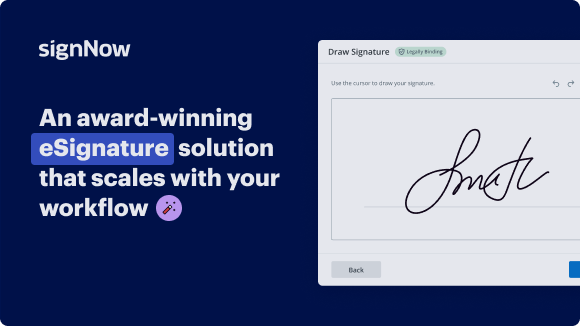
Collect signatures
24x
faster
Reduce costs by
$30
per document
Save up to
40h
per employee / month
Our user reviews speak for themselves

Kodi-Marie Evans
Director of NetSuite Operations at Xerox

Samantha Jo
Enterprise Client Partner at Yelp


Megan Bond
Digital marketing management at Electrolux







be ready to get more
Why choose airSlate SignNow
-
Free 7-day trial. Choose the plan you need and try it risk-free.
-
Honest pricing for full-featured plans. airSlate SignNow offers subscription plans with no overages or hidden fees at renewal.
-
Enterprise-grade security. airSlate SignNow helps you comply with global security standards.
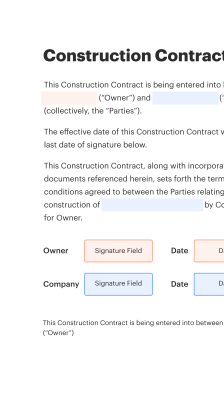
How to Utilize airSlate SignNow for Opportunity Buyers Leads
Follow these steps to maximize the benefits of airSlate SignNow:
airSlate SignNow offers a great ROI with its rich feature set that is tailored for SMBs and Mid-Market businesses. In addition, the platform provides transparent pricing with no hidden support fees or add-on costs. With superior 24/7 support available for all paid plans, airSlate SignNow is the ideal solution for businesses looking to streamline their document signing process.
Take the first step towards efficient document management and start using airSlate SignNow today!
airSlate SignNow features that users love





be ready to get more
Get legally-binding signatures now!
FAQs online signature
-
What is the difference between MQL and SQL?
An MQL (Marketing Qualified Lead) is a reasonably qualified lead who has downloaded a content offer or interacted with your marketing team, but who hasn't yet entered your sales funnel. An SQL (Sales Qualified Lead) is a lead your sales team has qualified as a potential customer.
-
What is the difference between leads and opportunities in CRM?
Leads represent any potential marketable individual or business inside your CRM that is not currently qualified. Opportunities represent leads that are qualified and have the potential to complete a purchase/sale. Lead Stages track the steps a lead must go through to complete a transaction.
-
What qualifies a lead as an opportunity?
Even if a lead is a perfect match for our buyer persona, they don't become a prospect if they don't need our product. Over the years, I've found that if there's no pain point to solve, there's no opportunity.
-
What is a lead vs opportunity copper?
If you know how to distinguish between a lead (pretty much anyone who interacts with your brand that you're able to contact) and an opportunity (someone who has taken a few more steps and is closer to actually being a sale), you'll have a much better idea of how to get from point A to B.
-
What is an opportunity lead?
A Lead is a person who is a sales prospect. An Opportunity is the specific sales deal being pursued including the estimated dollar amount. The Opportunity record will be related to the Lead or Contact record of the person with whom you are hoping to do business.
-
When should a lead be converted to an opportunity?
My answer is that a Lead should be converted when you want a relationship with them OR there is a potential for a sale.
-
What is a good lead to opportunity conversion rate?
The average B2B lead to opportunity conversion rate across different industries is 13%- 18%. Your first step should be focus on knowing your metrics. Specifically, your lead to opportunity conversion rate over a 12-month period. This helps determine if a low rate has been consistent or is recent.
-
What is the difference between a lead and an opportunity?
Opportunities are more qualified than leads, and have characteristics that an individual lead might not have. The main characteristics that an opportunity has that a lead does not are a potential revenue amount, and an expected close date. In short, leads become opportunities when they mature, or qualify enough.


