Streamline your document signing process with pipeline integrity management solutions for Administration
airSlate SignNow regularly wins awards for ease of use and setup




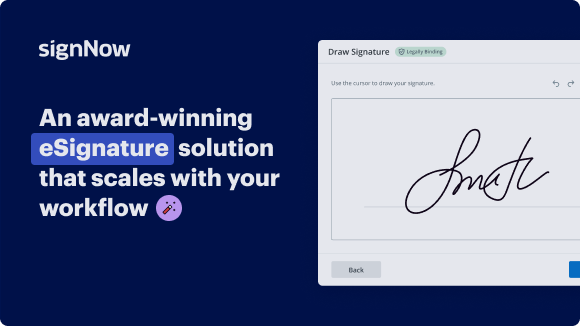
See airSlate SignNow eSignatures in action
Our user reviews speak for themselves











Why choose airSlate SignNow
-
Free 7-day trial. Choose the plan you need and try it risk-free.
-
Honest pricing for full-featured plans. airSlate SignNow offers subscription plans with no overages or hidden fees at renewal.
-
Enterprise-grade security. airSlate SignNow helps you comply with global security standards.
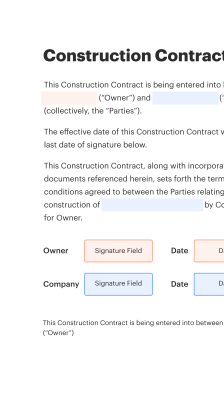
Pipeline Integrity Management Solutions for Administration
pipeline integrity management solutions for Administration
With airSlate SignNow, you can streamline your document signing process and increase efficiency in your workflow. Don't waste time with cumbersome paperwork - switch to airSlate SignNow today and experience the benefits of a seamless eSignature solution.
Sign up for a free trial of airSlate SignNow now and start simplifying your document signing process!
airSlate SignNow features that users love





Get legally-binding signatures now!
FAQs online signature
-
How do you ensure pipeline integrity?
• Inspect the integrity of the pipeline externally Advanced non-destructive testing (NDT) methods detect structural damage or degradation in the pipeline from the outside. Ultrasonics or magnetic particle testing are two such NDT methods available in the market today, but there are several others as well.
-
What are the issues with pipeline integrity?
Flaws in the pipeline can occur by improper processing of the metal or welding defects during its initial construction. The handling of the pipe during transportation may cause dents or buckling which compromise the pipeline.
-
What is the pipeline management theory?
Sales pipeline management is the process of empowering reps (and the entire sales team) with everything they need to have enough deals at various stages of the pipeline. For sales management, this means creating standards and collecting data to make the team more efficient.
-
What do you mean by pipeline management?
Pipeline management is a process by which companies identify where their cash is flowing and then direct that money where it's most productive. This is called “pipeline management.” There are many ways to go about this. The most basic way to do it is to track the movement of cash in and out of your business.
-
What are the activities involved in pipeline management?
It involves analyzing data, setting goals and KPIs, communicating with team members, and making strategic decisions to drive results. A pipeline manager or sales leader may take charge of this job.
-
What is the meaning of pipeline in company?
A pipeline is a term, which refers to prospects or deals lined up to meet the revenue targets of a company. For example, a sales pipeline shows the number of deals lined up for closure in a month, a quarter, or a year.
-
What is the difference between lead management and pipeline management?
Lead Scoring allows businesses to prioritize their efforts on leads with a higher potential for conversion, while Pipeline Management ensures a smooth flow through the various stages of the sales pipeline, ultimately leading to increased revenue and business growth.
-
What is HCA in Phmsa?
Pipeline safety regulations use the concept of “High Consequence Areas” (HCAs), to identify specific locales and areas where a release could have the most significant adverse consequences.
Trusted e-signature solution — what our customers are saying


How to create outlook signature
as we focus on maintaining the integrity and safety of our pipeline infrastructure it's essential to highlight the critical role of legal and Regulatory Compliance within our pipeline Integrity Management Systems pims this week legal and Regulatory Compliance forms the Bedrock of our operations ensuring that we adhere to establish standards mitigate risks and Safeguard our environment and communities here are some key aspects to consider understanding regulations they informed about regulations governing pipeline operations at local National and international levels documentation Excellence maintain meticulous records of permits licenses and approvals to demonstrate compliance and Regulatory adherence risk management strategies develop robust strategies to mitigate risks associated with regulatory non-compliance ensuring proactive adherence to standards transparent reporting established clear reporting mechanisms to communicate compliance status and fulfill regulatory reporting obligations promptly continuous Improvement conduct regular audits to assess compliance levels identify areas for improvement and Implement corrective measures contribute to the conversation we invite contributions and insights from our Network on the challenges best practices and Innovations in legal and Regulatory Compliance within pims share your experiences strategies and recommendations in the comments below together let's Foster a culture of compliance excellence and ensure the integrity and safety of our pipeline infrastructure your contributions are invaluable in advancing our Collective understanding and commitment to legal and Regulatory Compliance within pims let's learn from each other and drive positive change
Show more