Crea Tu Plantilla De Estado De Facturación Perfecta Para I+D
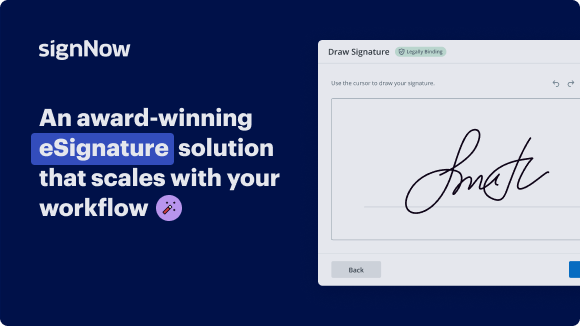
Solución de firma electrónica galardonada




Impulsa tu negocio con la solución de firma electrónica de airSlate SignNow
Agrega tu firma legalmente vinculante
Integra mediante API
Envía documentos condicionales
Comparte documentos mediante un enlace de invitación
Ahorra tiempo con plantillas reutilizables
Mejora la colaboración en equipo
Vea las firmas electrónicas de airSlate SignNow en acción


Soluciones de airSlate SignNow para una mayor eficiencia
Las reseñas de nuestros usuarios hablan por sí mismas











Por qué elegir airSlate SignNow
-
Prueba gratuita de 7 días. Elige el plan que necesitas y pruébalo sin riesgos.
-
Precios honestos para planes completos. airSlate SignNow ofrece planes de suscripción sin cargos adicionales ni tarifas ocultas al renovar.
-
Seguridad de nivel empresarial. airSlate SignNow te ayuda a cumplir con los estándares de seguridad globales.

Creando una plantilla de estado de facturación para I+D
Diseñar una plantilla de estado de facturación efectiva para I+D puede agilizar tus procesos financieros y mejorar la transparencia con las partes interesadas. Utilizar una solución de firma electrónica eficiente como airSlate SignNow permite a las empresas digitalizar sus flujos de trabajo, asegurando que los documentos se firmen de manera rápida y segura.
Cómo crear una plantilla de estado de facturación para I+D usando airSlate SignNow
- Visita el sitio web de airSlate SignNow en tu navegador preferido.
- Regístrate para una prueba gratuita o inicia sesión en tu cuenta existente.
- Selecciona y carga el documento que deseas firmar o solicitar firmas.
- Si planeas usar este documento de manera recurrente, guárdalo como plantilla para uso futuro.
- Accede a tu documento para realizar las modificaciones necesarias, como agregar campos rellenables o insertar información adicional.
- Agrega tu firma e incluye campos para que los destinatarios firmen.
- Procede haciendo clic en Continuar para configurar y enviar una solicitud de firma electrónica.
En conclusión, airSlate SignNow ofrece una plataforma intuitiva para enviar y firmar documentos, específicamente beneficiosa para las declaraciones de facturación de I+D. Aprovechando sus funciones, como precios transparentes y soporte al cliente excepcional, tu equipo puede gestionar eficientemente los flujos de trabajo de documentos.
¡Comienza tu prueba gratuita hoy y experimenta cómo airSlate SignNow puede optimizar tus procesos de facturación de I+D!
Cómo funciona
Funciones de airSlate SignNow que los usuarios adoran





¡Obtenga firmas legalmente vinculantes ahora!
Preguntas frecuentes
-
¿Qué es una plantilla de estado de facturación para I+D?
Una plantilla de estado de facturación para I+D es un documento personalizable que detalla transacciones, saldos y pagos adeudados por los clientes. Esta plantilla permite a las empresas agilizar su proceso de facturación proporcionando estados claros y concisos a los clientes, mejorando la comunicación y eficiencia en los pagos. -
¿Cómo puedo crear una plantilla de estado de facturación para I+D usando airSlate SignNow?
Crear una plantilla de estado de facturación para I+D en airSlate SignNow es sencillo. Puedes comenzar seleccionando una plantilla pre-diseñada o desde cero, incorporar tus elementos de marca y agregar los campos necesarios para capturar todos los detalles de facturación. Una vez completada, puedes guardarla para uso repetido y compartirla fácilmente con los clientes. -
¿Cuáles son los beneficios de usar una plantilla de estado de facturación para I+D?
Utilizar una plantilla de estado de facturación para I+D ofrece varios beneficios, incluyendo mayor precisión en la facturación, comunicación consistente con los clientes y ahorro de tiempo en la creación de documentos. Además, ayuda a mantener una apariencia profesional y mejora la satisfacción general del cliente con información de facturación organizada. -
¿Es la plantilla de estado de facturación para I+D personalizable?
Sí, la plantilla de estado de facturación para I+D es completamente personalizable. Los usuarios pueden adaptar el diseño, agregar su logotipo, cambiar esquemas de color e incluir o excluir campos específicos para satisfacer las necesidades de su negocio. Esta flexibilidad asegura que la plantilla se alinee perfectamente con su marca y requisitos operativos. -
¿Cómo garantiza airSlate SignNow la firma segura de una plantilla de estado de facturación para I+D?
AirSlate SignNow emplea medidas de seguridad líderes en la industria para proteger tu plantilla de estado de facturación para I+D durante el proceso de firma. Características como cifrado, almacenamiento seguro en la nube y autenticación multifactor garantizan que tus documentos estén seguros y que la información sensible permanezca confidencial. -
¿Puedo integrar mi plantilla de estado de facturación para I+D con software de contabilidad?
¡Por supuesto! airSlate SignNow permite una integración perfecta con varios softwares de contabilidad, lo que te permite vincular tu plantilla de estado de facturación para I+D con tus herramientas existentes. Esta integración ayuda a agilizar tus procesos financieros, asegurando que todos los datos de facturación y pago se sincronicen automáticamente en las plataformas. -
¿Cuáles son las opciones de precios para usar la plantilla de estado de facturación para I+D en airSlate SignNow?
airSlate SignNow ofrece varios planes de precios, permitiendo a las empresas elegir el que mejor se adapte a sus necesidades al usar la plantilla de estado de facturación para I+D. Mientras que muchas funciones están disponibles en el plan básico, funcionalidades avanzadas se pueden acceder a través de planes de nivel superior para mejorar tus capacidades de gestión de documentos.
Lo que dicen los usuarios activos — billing statement template for rd


Obtén más para billing statement template for rd
- Plantilla de Factura para Asistente Virtual en Hospitalidad
- Plantilla de Factura para Asistentes Virtuales en Viajes
- Plantilla de Factura para Asistente Virtual de Alta Tecnología
- Plantilla de Factura para Asistente Virtual en Manufactura
- Plantilla de Factura para Servicios de Construcción
- Plantilla de Factura para Asistentes Virtuales
- Plantilla de Factura para Asistente Virtual en el Sector Farmacéutico
- Plantilla de Factura para Asistentes Virtuales en Recursos Humanos
Descubre otros billing statement template for rd
- Comienza tu viaje de firma electrónica: banco de firma ...
- Explora tu firma digital – Preguntas respondidas: ...
- Explora tu firma digital – Preguntas respondidas: ...
- Comienza tu viaje de firma electrónica: mejor servicio ...
- Comienza tu viaje de eSignature: creando una eSignature
- Explora tu firma digital – Preguntas respondidas: ...
- Prueba eSignaturas Sin Costuras: eSign documento de ...
- Comience su viaje de eSignature: eSignature en línea
- Desbloquee el Poder de la eFirma: software eSign ...
- Disfruta de flujos de trabajo de eSignature ...
- Encuentra todo lo que necesitas saber: cómo firmar ...
- Comienza tu viaje de eSignature: firma en línea para ...
- Comience su viaje de firma electrónica: firma en ...
- Disfruta de flujos de trabajo de eSignature flexibles: ...
- Comienza tu viaje de firma electrónica: generador de ...
- Explora tu firma digital – Preguntas respondidas: ...
- Explora tu firma digital – Preguntas respondidas: ...
- Explora tu firma digital – Preguntas respondidas: ...
- Explora tu firma digital – Preguntas respondidas: ...
- Encuentra todo lo que necesitas saber: eSign a PDF