Crea Tu Plantilla De Factura Médica Para La Industria De Seguros Sin Esfuerzo
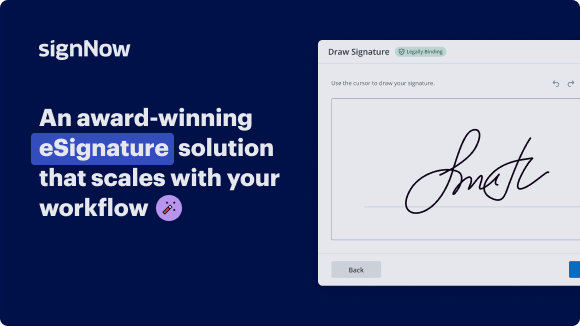
Solución de firma electrónica galardonada




Impulsa tu negocio con la solución de firma electrónica de airSlate SignNow
Agrega tu firma legalmente vinculante
Integra mediante API
Envía documentos condicionales
Comparte documentos mediante un enlace de invitación
Ahorra tiempo con plantillas reutilizables
Mejora la colaboración en equipo
Vea las firmas electrónicas de airSlate SignNow en acción


Soluciones de airSlate SignNow para una mayor eficiencia
Las reseñas de nuestros usuarios hablan por sí mismas











Por qué elegir airSlate SignNow
-
Prueba gratuita de 7 días. Elige el plan que necesitas y pruébalo sin riesgos.
-
Precios honestos para planes completos. airSlate SignNow ofrece planes de suscripción sin cargos adicionales ni tarifas ocultas al renovar.
-
Seguridad de nivel empresarial. airSlate SignNow te ayuda a cumplir con los estándares de seguridad globales.

Cómo usar una plantilla de factura médica para la industria de seguros
En el mundo de la atención médica, la eficiencia y la claridad son vitales. Una plantilla de factura médica para la industria de seguros puede agilizar el proceso de facturación, asegurando pagos rápidos y una comunicación clara entre proveedores y aseguradoras. Esta guía te guiará a través de los pasos para usar eficazmente esta plantilla con la ayuda de airSlate SignNow.
Pasos para utilizar una plantilla de factura médica para la industria de seguros
- Accede al sitio web de airSlate SignNow usando tu navegador preferido.
- Crea una cuenta para una prueba gratuita o inicia sesión en tu cuenta existente.
- Selecciona el documento que deseas firmar o enviar para firmas.
- Transforma el documento en una plantilla reutilizable para uso futuro.
- Abre el archivo cargado y modifícalo agregando campos rellenables según sea necesario.
- Firma tu documento y designa las áreas donde los destinatarios puedan colocar sus firmas.
- Procede a configurar y enviar la invitación de firma electrónica.
Beneficiarte de airSlate SignNow tiene numerosas ventajas, convirtiéndolo en una herramienta poderosa para las empresas. No solo ofrece un excelente valor a través de un conjunto completo de funciones sin costos excesivos, sino que también ofrece escalabilidad fácil de usar adaptada a pequeñas y medianas empresas. Con precios sencillos y sin cargos ocultos, los usuarios pueden planificar sus presupuestos de manera adecuada.
Además, con soporte al cliente dedicado 24/7 para todos los planes de pago, airSlate SignNow asegura que nunca te quedes en la oscuridad en momentos cruciales. Comienza a optimizar tu proceso de documentos hoy y experimenta la eficiencia que airSlate SignNow puede ofrecer.
Cómo funciona
Funciones de airSlate SignNow que los usuarios adoran





¡Obtenga firmas legalmente vinculantes ahora!
Preguntas frecuentes
-
¿Qué es una plantilla de factura médica para la industria de seguros?
Una plantilla de factura médica para la industria de seguros es un documento pre-diseñado que permite a los proveedores de atención médica detallar los servicios prestados y facturar a las compañías de seguros de manera eficiente. Incluye detalles esenciales como información del paciente, descripciones de tratamientos y códigos de facturación. Usar esta plantilla agiliza el proceso de facturación y ayuda a garantizar reclamaciones precisas. -
¿Cómo puedo beneficiarme al usar una plantilla de factura médica para la industria de seguros?
Utilizar una plantilla de factura médica para la industria de seguros simplifica tu proceso de facturación y reduce errores en las reclamaciones. Ahorra tiempo al proporcionar un formato estandarizado, permitiéndote enfocarte más en la atención al paciente en lugar de tareas administrativas. Además, mejora la comunicación con los proveedores de seguros, aumentando las posibilidades de pagos oportunos. -
¿Es la plantilla de factura médica personalizable?
Sí, la plantilla de factura médica para la industria de seguros ofrecida por airSlate SignNow es completamente personalizable. Puedes modificar fácilmente los campos para adaptarlos a tus necesidades específicas de facturación, como agregar tu logotipo o cambiar el diseño. Esta flexibilidad asegura que las facturas reflejen tu marca y cumplan con los estándares de la industria. -
¿Qué funciones ofrece la plantilla de factura médica de airSlate SignNow?
La plantilla de factura médica para la industria de seguros de airSlate SignNow incluye funciones como capacidad de firma electrónica, seguimiento automatizado de estados de pago y integración con varios programas de facturación. Estas funciones mejoran la eficiencia y permiten una mejor gestión de las facturas. Además, la interfaz fácil de usar garantiza que cualquier persona pueda utilizar la plantilla con una capacitación mínima. -
¿Qué opciones de precios están disponibles para la plantilla de factura médica?
airSlate SignNow ofrece precios competitivos para acceder a la plantilla de factura médica para la industria de seguros. Los planes varían según las funciones y el número de usuarios, atendiendo a proveedores de atención médica de diferentes tamaños. Contacta a nuestro equipo de ventas para cotizaciones personalizadas y para encontrar el mejor plan que se adapte a las necesidades de tu organización. -
¿Puedo integrar la plantilla de factura médica con mi software actual?
Sí, la plantilla de factura médica para la industria de seguros de airSlate SignNow se integra perfectamente con muchos sistemas de gestión de atención médica populares. Esta integración permite una transferencia rápida de datos y asegura que toda la información permanezca coherente en las plataformas. Configurar estas integraciones es sencillo y mejora la eficiencia de tu flujo de trabajo. -
¿Cómo ayuda la plantilla de factura médica en el procesamiento de reclamaciones?
La plantilla de factura médica para la industria de seguros simplifica el procesamiento de reclamaciones al proporcionar un formato estructurado que incluye toda la información necesaria. Este enfoque estructurado minimiza discrepancias y reduce las posibilidades de rechazo de reclamaciones. Al garantizar presentaciones precisas y completas, acelera el ciclo de reembolso en general.
Lo que dicen los usuarios activos — medical invoice template for insurance industry


Obtén más para medical invoice template for insurance industry
- Plantilla de factura de techado gratis para personal
- Plantilla de factura de techado gratuita para la Industria Tecnológica
- Obtén plantilla de factura de techado gratis para Ciencias Animales
- Factura de Escritor Freelance para la Industria de Viajes
- Plantilla de factura de techado gratis para hostelería
- Plantilla de factura de techado gratuita para la industria de viajes
- Obtén plantilla de factura de techado gratis para HighTech
- Plantilla de factura de techado gratis para Fabricación
Descubre otros medical invoice template for insurance industry
- Cómo agregar una firma digital a un formulario de ...
- Descubre soluciones de firma electrónica compatibles ...
- Descubre nuestra solución de firma compatible con ...
- Inicio de sesión de firma en línea sin esfuerzo para ...
- Colocar firma electrónica en Google Doc es fácil con ...
- Creador de firmas en tamil para simplificar tus ...
- Plantilla de firma HTML para simplificar la gestión de ...