Activa La Recuperación En Segundo Plano En Tu Dispositivo iOS Para Un Seguimiento De Documentos Sin Interrupciones

Nunca pierdas actualizaciones de documentos en airSlate SignNow activando la recuperación en segundo plano en tu dispositivo iOS. Rastrea los cambios en el estado del documento tan pronto como se completen o firmen.

Solución de firma electrónica galardonada

What turning on background fetch does on your iOS device

Turning on background fetch in your iOS device allows installed apps to request periodic updates from the network when the system determines it is efficient to do so. Background Fetch is managed by iOS to balance timely content refresh with battery life; apps register for the capability and implement handlers that run briefly when the system grants execution time. For apps that sync data or check for new messages, enabling Background App Refresh and the app’s fetch permissions lets the app refresh content without requiring the user to open it manually.

Why enable Background Fetch on iOS

Enabling background fetch improves app responsiveness by keeping content up to date before the app opens, reducing manual refreshes and perceived wait time for users.

Why enable Background Fetch on iOS

Common challenges when using Background Fetch

  • Unpredictable scheduling: iOS decides fetch intervals based on usage patterns and system conditions, so timing is not guaranteed.
  • Battery and data trade-offs: Frequent background activity can increase battery drain and cellular data consumption if not throttled.
  • Limited execution time: Background fetch handlers receive only a few seconds to complete network and processing tasks.
  • App opt-out and settings: Users can disable Background App Refresh globally or per app, preventing fetch operations entirely.

Representative user roles for background fetch

IT Admin

An IT administrator configures device policies and advises on Background App Refresh settings to manage battery and data across fleets. They assess which business apps require fetch for productivity and set guidelines for enterprise device profiles and MDM controls.

End User

A typical end user expects apps to show fresh content when opened. They manage per-app Background App Refresh and cellular data permissions in Settings to limit unwanted battery or data use while keeping essential apps updated.

Who typically relies on background fetch

  • News and feed apps that preload articles and summaries for immediate viewing.
  • Messaging and collaboration apps that fetch new messages and notifications quietly.
  • Document and sync apps that keep file lists and statuses current across devices.

Organizations prioritize background fetch where timely data improves usability, while balancing battery and privacy considerations.

prepárate para obtener más

Elige una mejor solución

Key capabilities related to background fetch on iOS

Background fetch is one of several platform features that enable background processing; combined, they let apps refresh data responsibly and maintain usability.

Background App Refresh

A user-level setting that permits apps to run limited background tasks. When enabled, apps can register for Background Fetch and other background modes so they can update content without foreground launch, subject to system-managed scheduling to conserve battery.

Background Fetch API

A framework-level capability where apps implement a fetch handler that the system invokes on a schedule. The handler should perform lightweight network calls and update local storage or notification state quickly, returning appropriate success status to inform iOS scheduling.

Significant Location Change

An alternative background mode triggered by location events. It is useful for location-aware fetches and may complement Background Fetch when apps need updates tied to user movement rather than periodic polling.

Push-triggered updates

Silent push notifications can wake the app to perform background work and are commonly used alongside Background Fetch for timely, server-initiated updates while respecting user settings and system constraints.

How Background Fetch operates on iOS

Understanding iOS behavior helps set realistic expectations for how often apps will be granted background time.

  • System-driven scheduling: iOS optimizes timing based on usage and power.
  • Brief execution window: Apps get limited seconds per fetch event.
  • Adaptive intervals: Frequency adjusts with user activity patterns.
  • Developer callbacks: Apps implement handlers to fetch and update.
Recoger firmas
24x
más rápido
Reduce los costos en
$30
por documento
Guardar hasta
40h
por empleado / mes

Step-by-step: how to turn on background fetch in your iOS device

Follow these steps to enable Background App Refresh and allow apps to use Background Fetch on an iPhone or iPad.

  • 01
    Open Settings: Tap the Settings app on the home screen.
  • 02
    Select General: Scroll and tap General in Settings.
  • 03
    Choose Background App Refresh: Tap Background App Refresh to view options.
  • 04
    Enable per app: Turn on globally and toggle individual app switches.
prepárate para obtener más

Por qué elegir airSlate SignNow

  • Prueba gratuita de 7 días. Elige el plan que necesitas y pruébalo sin riesgos.
  • Precios honestos para planes completos. airSlate SignNow ofrece planes de suscripción sin cargos adicionales ni tarifas ocultas al renovar.
  • Seguridad de nivel empresarial. airSlate SignNow te ayuda a cumplir con los estándares de seguridad globales.
illustrations signature

Recommended workflow settings for background fetch

Use the following configuration items when designing an app workflow that relies on background fetch to keep content synchronized.

Feature Configuration
Fetch Interval Configuration Adaptive timing
Network Requirement Setting Wi-Fi preferred
Battery Threshold Setting Avoid low battery
Background Modes Declaration Enable fetch mode
Server Sync Window Short incremental syncs

Platform and device requirements for background fetch

  • Minimum iOS version: iOS 7 and later
  • Device setting: Background App Refresh enabled
  • App permission: App must register for fetch

For enterprise deployments, use MDM controls to manage Background App Refresh globally and ensure apps are configured with appropriate background modes and network policies to meet organizational requirements.

Security and data considerations

Data encryption: Use TLS for fetch requests
Network policies: Respect cellular and Wi-Fi settings
Authentication: Include token-based auth
Least privilege: Limit permissions per app
User consent: Honor privacy choices
Server validation: Verify payload integrity

Practical examples where background fetch helps

Real-world scenarios illustrate how enabling background fetch improves usability for apps that maintain live content or synced documents.

Document sync for mobile workers

A field worker’s app checks for updated forms before a shift begins

  • fetches small metadata and deltas only
  • reduces manual sync and ensures offline availability

Resulting in faster access to the latest documents when connectivity is intermittent and fewer failed submissions.

Inbox and notifications readiness

An email or messaging client performs periodic small checks for new items

  • downloads headers or notifications only
  • lets the app show recent alerts immediately on open

Leading to reduced waiting time and a smoother user experience without continuous foreground polling.

Best practices for using background fetch in apps

Follow these practices to balance timely updates with device battery life, data usage, and user expectations when enabling background fetch.

Design fetch handlers to perform minimal work
Keep network requests small and process only essential data during the allocated execution window. Defer heavy processing to the next foreground session or a dedicated background transfer when possible.
Respect user settings and network conditions
Honor the Background App Refresh toggle and detect Wi‑Fi versus cellular to avoid unnecessary data charges. Allow users to opt into reduced fetch frequency for battery or data savings.
Use server-side cues and silent push where appropriate
Leverage server signals to trigger updates selectively rather than relying solely on periodic fetches. Silent push notifications can be more timely and conserve device power when used correctly.
Monitor and log fetch outcomes for tuning
Collect anonymized success and failure metrics to refine fetch intervals and payload sizes. Use analytics to adjust server behavior and reduce redundant updates.

FAQs: troubleshooting turning on background fetch in your iOS device

Answers to common questions about enabling Background App Refresh and addressing issues when background fetch does not work as expected.

Background fetch and related capabilities: vendor comparison

Compare how leading eSignature and document providers support background refresh, per-app controls, and enterprise management for mobile apps on iOS.

Criteria signNow (Recommended) DocuSign Adobe Sign
Background Fetch Support
Per-app Toggle
Battery-aware Scheduling Adaptive Adaptive Adaptive
Enterprise MDM Controls
prepárate para obtener más

¡Obtenga firmas legalmente vinculantes ahora!

Risks of misconfiguring background fetch

Battery drain: Higher battery use
Excess data usage: Increased cellular costs
App throttling: Reduced fetch frequency
Privacy breaches: Unwanted data exposure
App rejection: Policy violation risk
User opt-out: Loss of functionality

Pricing overview and tiers for background-enabled mobile apps

Pricing and plan features vary; the table summarizes typical entry-level and enterprise options among popular providers that deliver mobile apps with background fetch capabilities.

Plan signNow (Recommended) DocuSign Adobe Sign HelloSign PandaDoc
Free tier availability Basic free plan available Limited free trial No free personal plan Free trial only Free trial available
Entry-level price per user Starts at $8 per user monthly Starts at $10 per user monthly Starts at $9 per user monthly Starts at $15 per user monthly Starts at $19 per user monthly
Enterprise pricing model Custom enterprise quotes available Custom enterprise pricing Volume-based enterprise quotes Enterprise plans available Custom enterprise options
Document storage included Secure cloud storage included Storage options vary Adobe Document Cloud included Limited storage included Storage tiers available
Implementation and support Email and phone support; onboarding available Dedicated support packages Enterprise onboarding available Business support tiers Onboarding and training services

Cómo activar la recuperación en segundo plano en iPhone o iPad

La recuperación en segundo plano permite que airSlate SignNow “recupere” periódicamente las actualizaciones de documentos desde el servidor mientras la aplicación está en segundo plano. Con esta función activada, ya no necesitas actualizar manualmente tu página de Documentos para ver las actualizaciones, como invitaciones a firmar, documentos firmados, y más.

Para activar esta función, asegúrate de que la Actualización en Segundo Plano de la Aplicación esté activada en la configuración de tu dispositivo iOS. Luego, sigue estas instrucciones para activar la recuperación en segundo plano:

1. Ve a la aplicación Configuración y selecciona General.
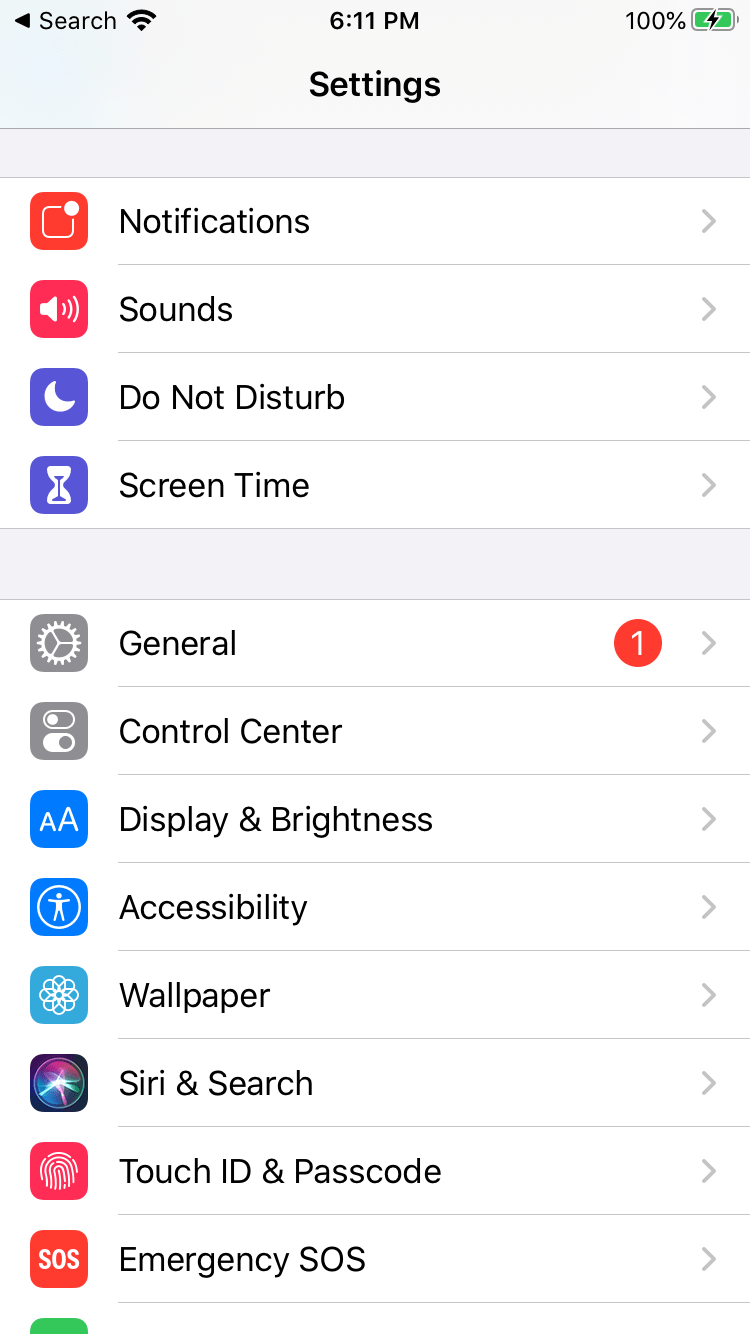
ilustración-guía-llenado

2. Selecciona Actualización en Segundo Plano de la Aplicación.
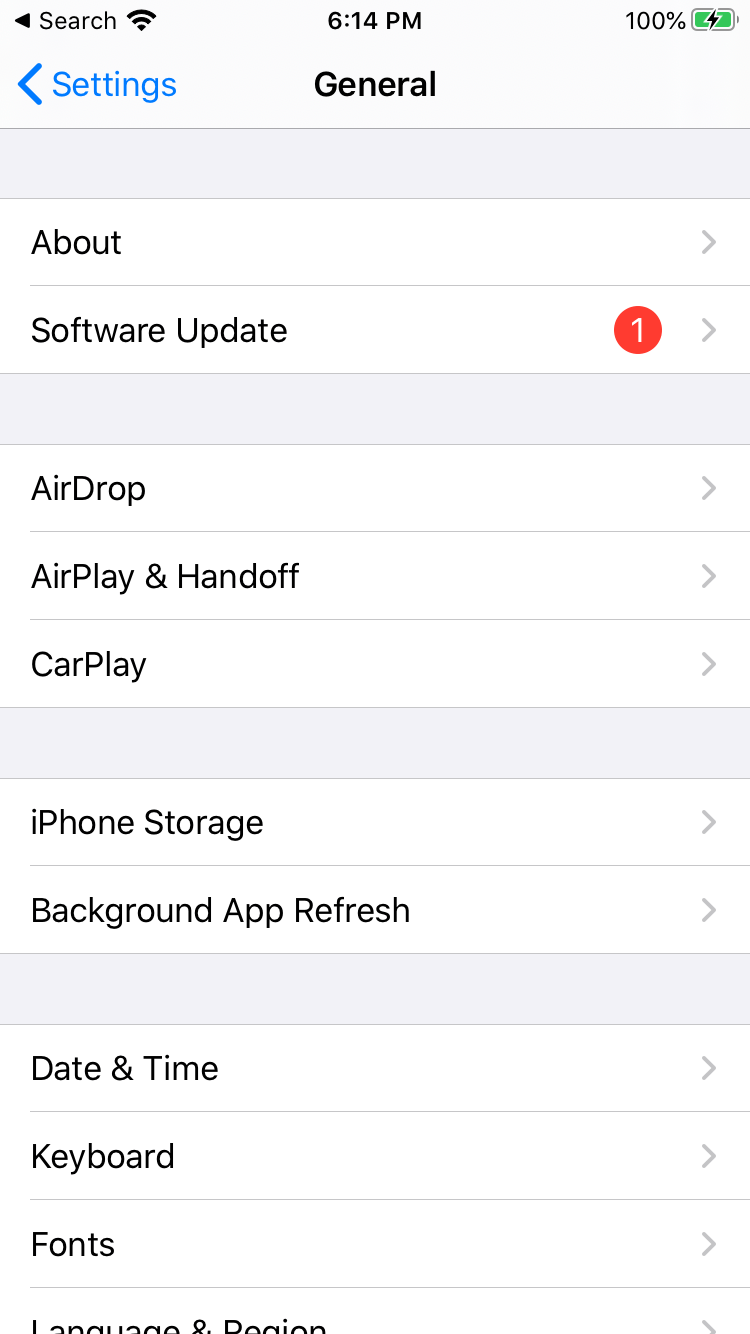
ilustración-guía-llenado

3. Activa la función de recuperación en segundo plano para la aplicación airSlate SignNow.
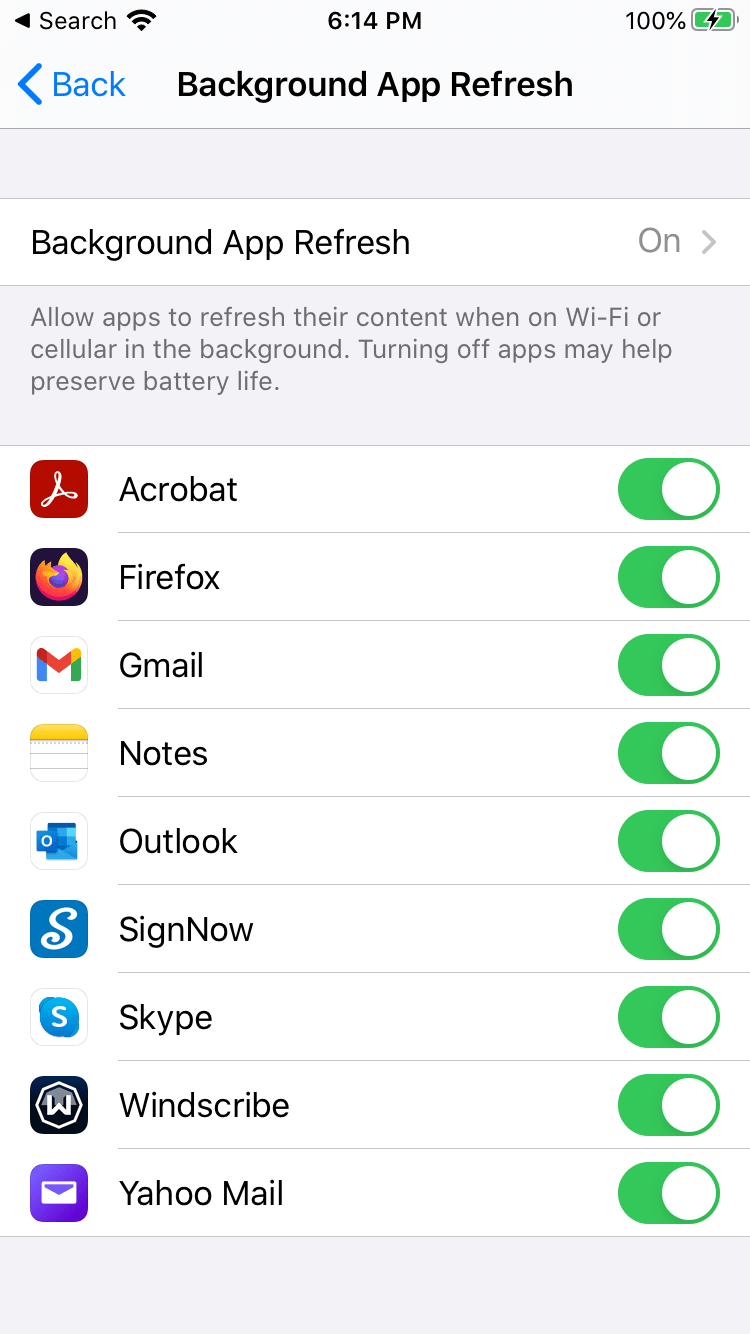
ilustración-guía-llenado
walmart logo
exonMobil logo
apple logo
comcast logo
facebook logo
FedEx logo
esté listo para obtener más

¡Obtenga ahora firmas vinculantes desde el punto de vista jurídico!