What is the real estate electronically
The term "real estate electronically" refers to the process of managing real estate transactions and documentation through digital means. This includes the use of electronic signatures, online forms, and digital document storage. By utilizing electronic methods, real estate professionals can streamline workflows, reduce paper usage, and enhance collaboration among parties involved in transactions.
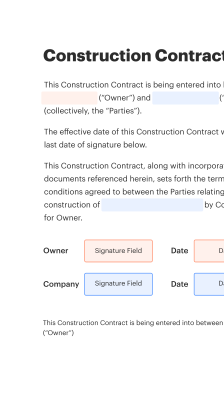
In the context of real estate, electronic processes encompass various documents such as purchase agreements, lease contracts, and disclosure statements. These documents can be filled out, signed, and shared securely online, ensuring that all parties have access to the necessary information without the delays associated with traditional paper-based methods.
Steps to complete the real estate electronically
Completing real estate documents electronically involves several straightforward steps:
- Access the document: Begin by locating the real estate document you need, such as a purchase agreement or lease.
- Fill out the form: Use airSlate SignNow to enter the required information directly into the document. This may include details such as buyer and seller names, property addresses, and financial terms.
- Review the document: Carefully check all entries for accuracy to avoid any potential issues later in the transaction.
- Request signatures: Once the document is complete, send it to all necessary parties for their electronic signatures. This can be done easily through the airSlate SignNow platform.
- Store the document: After all signatures are collected, securely store the finalized document in your digital files for future reference.
Legal use of the real estate electronically
Using electronic signatures in real estate transactions is legally recognized across the United States, thanks to the Electronic Signatures in Global and National Commerce (ESIGN) Act and the Uniform Electronic Transactions Act (UETA). These laws establish that electronic signatures hold the same legal weight as traditional handwritten signatures, provided that all parties consent to use electronic methods.
It is essential to ensure that electronic documents comply with state-specific regulations, which may vary. Familiarizing yourself with local laws regarding electronic transactions can help avoid potential legal challenges and ensure that all documents are enforceable.
Security & Compliance Guidelines
When handling real estate documents electronically, maintaining security and compliance is paramount. Here are some key guidelines to follow:
- Use secure platforms: Choose a reputable eSignature solution like airSlate SignNow that employs encryption and secure data storage to protect sensitive information.
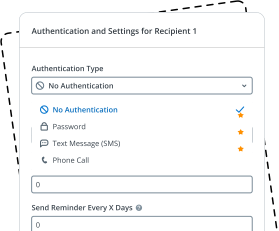
- Verify identity: Implement identity verification measures to ensure that signers are who they claim to be, reducing the risk of fraud.
- Maintain audit trails: Keep detailed records of all transactions, including timestamps and IP addresses, to provide a clear trail of the signing process.
- Stay compliant: Regularly review and update your practices to align with federal and state regulations regarding electronic signatures and document retention.
Sending & Signing Methods (Web / Mobile / App)
airSlate SignNow offers various methods for sending and signing real estate documents electronically, catering to different user preferences:
- Web: Users can access airSlate SignNow through any web browser, allowing for easy document management and signing from a computer.
- Mobile: The airSlate SignNow mobile app enables users to fill out and sign documents on the go, making it convenient for busy real estate professionals.
- Integration: airSlate SignNow integrates seamlessly with other tools, such as Google Drive and Dropbox, allowing users to manage documents across platforms efficiently.