Add Smart Fields to Your Template with SignNow

Automatically pre-fill document copies when sending bulk signature invites from a single template or sharing invite links with your signatories.

Award-winning eSignature solution

What it means to add smart fields to your template

Adding smart fields to your template means embedding dynamic, context-aware form elements into reusable documents so fields populate, validate, and route automatically. Smart fields can include data placeholders, auto-fill mappings, conditional visibility rules, calculations, and recipient-aware controls. In practice, templates with smart fields reduce manual entry, enforce data formats, and maintain consistent structure across repeated documents. For organizations, this supports faster processing, fewer errors, and clearer audit evidence when combined with signed completion and timestamping functionality.

Why use smart fields in templates

Templates with smart fields standardize data capture, reduce manual work, and improve accuracy while preserving full auditability for signed documents.

Why use smart fields in templates

Common challenges when adding smart fields

  • Incorrect field types lead to validation failures and repeated corrections by signers.
  • Poorly planned conditional logic can hide required fields and block completion.
  • Inconsistent naming prevents reliable auto-fill and template reuse across workflows.
  • Large templates with many rules may slow rendering on mobile devices if not optimized.

Typical users and roles

Legal Counsel

Legal teams create and review templates with smart fields to ensure required clauses, signatures, and initials appear in the right order, preserving legal intent and compliance across repeated agreements.

HR Administrator

HR staff build onboarding templates that auto-populate employee details from HRIS, apply conditional enrollment fields, and enforce required acknowledgements, improving speed and reducing data-entry errors.

Who benefits from smart field templates

Organizations across finance, HR, real estate, and education commonly use smart fields to streamline repeatable paperwork and reduce manual errors.

  • Small legal teams that need consistent contract clauses and automated date or clause insertion.
  • Human resources departments using onboarding templates with conditional fields and auto-populated demographic data.
  • Sales teams sending recurring proposals where pricing and contact fields auto-fill from CRM records.

Using templates with smart fields helps teams scale document processes while retaining control over data quality and audit records.

Advanced smart field capabilities

Beyond core features, advanced smart fields support calculations, integrations, and lifecycle controls for complex document automation.

Calculated fields

Perform automatic numeric calculations within the template, such as totals, taxes, or amortization results, ensuring consistent computed values across documents.


Conditional routing

Route the document to alternate signers or reviewers based on completed field values, adapting the workflow to business logic without manual intervention.

Pre-fill APIs

Use APIs to programmatically inject data into templates before sending, enabling integration with back-office systems and eliminating manual entry.

Bulk send

Send a single template to many recipients with individualized auto-fill values for each recipient to support mass outreach like offers or certificates.

Template versioning

Maintain controlled template revisions with rollback and change tracking so updates do not disrupt active workflows or compliance obligations.

Localization

Switch field labels, help text, and conditional logic per locale to support multi-jurisdictional deployments with consistent behavior.

be ready to get more

Choose a better solution

Core features for effective smart templates

Smart templates combine a small set of core capabilities that collectively reduce errors, speed completion, and maintain compliance across repeated documents.

Auto-fill

Map template fields to external data sources such as CRMs or databases so values populate automatically and consistently each time the template is used.

Conditional fields

Configure visibility and required status for fields based on other answers, preserving form simplicity and enforcing only relevant inputs for each signer scenario.

Field validation

Enforce data formats, length limits, and mandatory entry to reduce incomplete or malformed submissions and limit downstream processing errors.

Role assignment

Bind specific fields to named recipients or roles so each signer only sees and completes the fields intended for them, improving clarity and security.
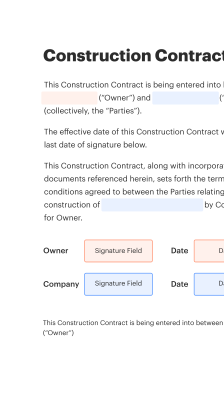
How smart fields operate in a template

Smart fields interact with data sources, recipient roles, and conditional logic to automate entry and enforce rules during signing.

  • Data mapping: Link fields to CRM or CSV values
  • Role binding: Assign fields to specific recipients
  • Conditional rules: Show or hide fields based on answers
  • Validation: Require formats like email or SSN
Collect signatures
24x
faster
Reduce costs by
$30
per document
Save up to
40h
per employee / month

Quick steps to add smart fields to a template

Follow these concise steps to integrate smart fields into a reusable template and validate behavior before sending.

  • 01
    Upload document: Start with a clean, final document file
  • 02
    Place fields: Add signature, text, and date fields
  • 03
    Define logic: Set conditional visibility and validation rules
  • 04
    Save template: Store as a reusable template with permissions
be ready to get more

Why choose airSlate SignNow

  • Free 7-day trial. Choose the plan you need and try it risk-free.
  • Honest pricing for full-featured plans. airSlate SignNow offers subscription plans with no overages or hidden fees at renewal.
  • Enterprise-grade security. airSlate SignNow helps you comply with global security standards.
illustrations signature

Typical workflow settings when using smart templates

Common configuration items for template-driven workflows; adapt values to your operational needs and compliance obligations.

Workflow Setting or Feature Name Default configuration or typical value
Template Auto-fill Mapping Enabled; maps fields by name and source
Conditional Field Rules Configured per template; simple expression engine
Recipient Routing Order Sequential or parallel routing as required
Reminder Frequency 48 hours; configurable up to daily
Document Retention Period Set per policy; default 7 years

Supported platforms for editing and signing templates

Smart field templates are designed to work across web browsers, desktop apps, and mobile devices, with some platform-specific considerations.

  • Web browsers: Chrome, Edge, Safari compatible
  • Mobile apps: iOS and Android native apps
  • Desktop: Windows and macOS applications

For best results, keep browsers and apps up to date, test on representative devices, and use native apps for advanced field interactions or offline signing scenarios.

Security controls for smart fields

Field-level encryption: Encrypts sensitive field data at rest
Access controls: Role-based permissions for template editing
TLS in transit: Strong transport encryption during transfers
Audit logging: Records field edits and signer actions
Two-factor authentication: Optional second-factor signer verification
Redaction tools: Mask or remove sensitive fields post-signature

Industry examples using smart field templates

Practical examples show how smart fields reduce manual entry and speed routine workflows in regulated and high-volume environments.

Mortgage Closing Pack

A lender creates a reusable closing template with mapped address and loan fields

  • Auto-fill pulls borrower details from the loan origination system
  • Conditional disclosures appear based on loan terms

Resulting in reduced review time and consistent, auditable closing documents for compliance teams.

University Enrollment Form

An admissions office builds a template that pre-populates student name and ID from records

  • Conditional sections appear for international students
  • Signature fields and FERPA consent are required

Leading to faster enrollment processing and clearer consent records for institutional audits.

Best practices for secure, accurate smart fields

Follow these implementation practices to reduce errors, limit exposure of sensitive data, and keep templates maintainable over time.

Use consistent field naming conventions
Adopt a predictable naming scheme that includes document type and field purpose so mappings and automations remain reliable across templates and over time.
Limit sensitive data in templates
Avoid embedding unnecessary personally identifiable information directly in templates; use secured data pulls and field-level encryption where required.
Test templates with realistic scenarios
Validate conditional logic, auto-fill mappings, and mobile rendering using representative data sets and recipient combinations before production use.
Document template changes and ownership
Track who can edit templates, record revision notes, and schedule periodic reviews to ensure templates stay aligned with policies and legal requirements.

FAQs and troubleshooting for smart field templates

Answers to common questions and steps to resolve frequent issues when building or using templates with smart fields.

Feature comparison: smart field capabilities

Compare core availability and support for key smart field features across common eSignature providers.

Feature or Capability for Comparison signNow (Recommended) DocuSign Adobe Acrobat Sign
Smart field auto-detection
Conditional field logic
Bulk send with individualized fields
Field-level encryption available
be ready to get more

Get legally-binding signatures now!

Retention and document lifecycle considerations

Templates and completed documents require retention policies that meet legal, regulatory, and business requirements across industries.

Minimum retention period:

Set per regulation; commonly three to seven years

Audit trail retention:

Retain audit logs for the same period as documents

Template version retention:

Keep historical versions for compliance and rollback

Automated archival:

Archive completed documents to cloud storage on completion

Deletion and disposal schedule:

Define secure deletion policies and procedures

Risks and compliance penalties to consider

Incorrect signatures: May invalidate agreements
Data exposure: Leads to regulatory fines
Noncompliance with ESIGN: Legal enforceability risk
HIPAA violations: Potential civil penalties
FERPA breaches: Student data infractions
Retention failures: Records unavailable for audit

Pricing and plan comparison for templates with smart fields

High-level plan differences relevant when evaluating smart template usage and enterprise deployment needs.

Plan Comparison Across Vendors signNow (Recommended) DocuSign Adobe Acrobat Sign PandaDoc HelloSign
Starting price Subscription plans start at $8 per user per month Plans start at $10 per user per month Plans start at $14.99 per user per month Plans start at $19 per user per month Plans start at $15 per user per month
Included templates and fields Unlimited templates with smart fields available Templates included; some advanced fields extra Templates with standard fields included Templates included; advanced automation extra Basic templates included
Bulk send capability Included in most business plans Available on business plans Available on enterprise plans Included on higher tiers Included with limits
Advanced authentication options Email, SMS, access code, and SSO support Broad authentication options including ID verification Multiple authentication types with enterprise options Email and SSO options Email and OAuth support
Enterprise support and SLAs Available with enterprise agreements and dedicated support Enterprise support with SLAs and integrations Enterprise-level contracts available Enterprise plans include support Higher-tier plans include priority support

How to instantly pre-fill batches of documents with Pre-Filled Text Fields

Save time and minimize data entry errors when sending bulk signature invites by automatically importing data from a CSV file into a template’s fillable fields. You can also pre-populate fields by adding specific parameters to an invite link.

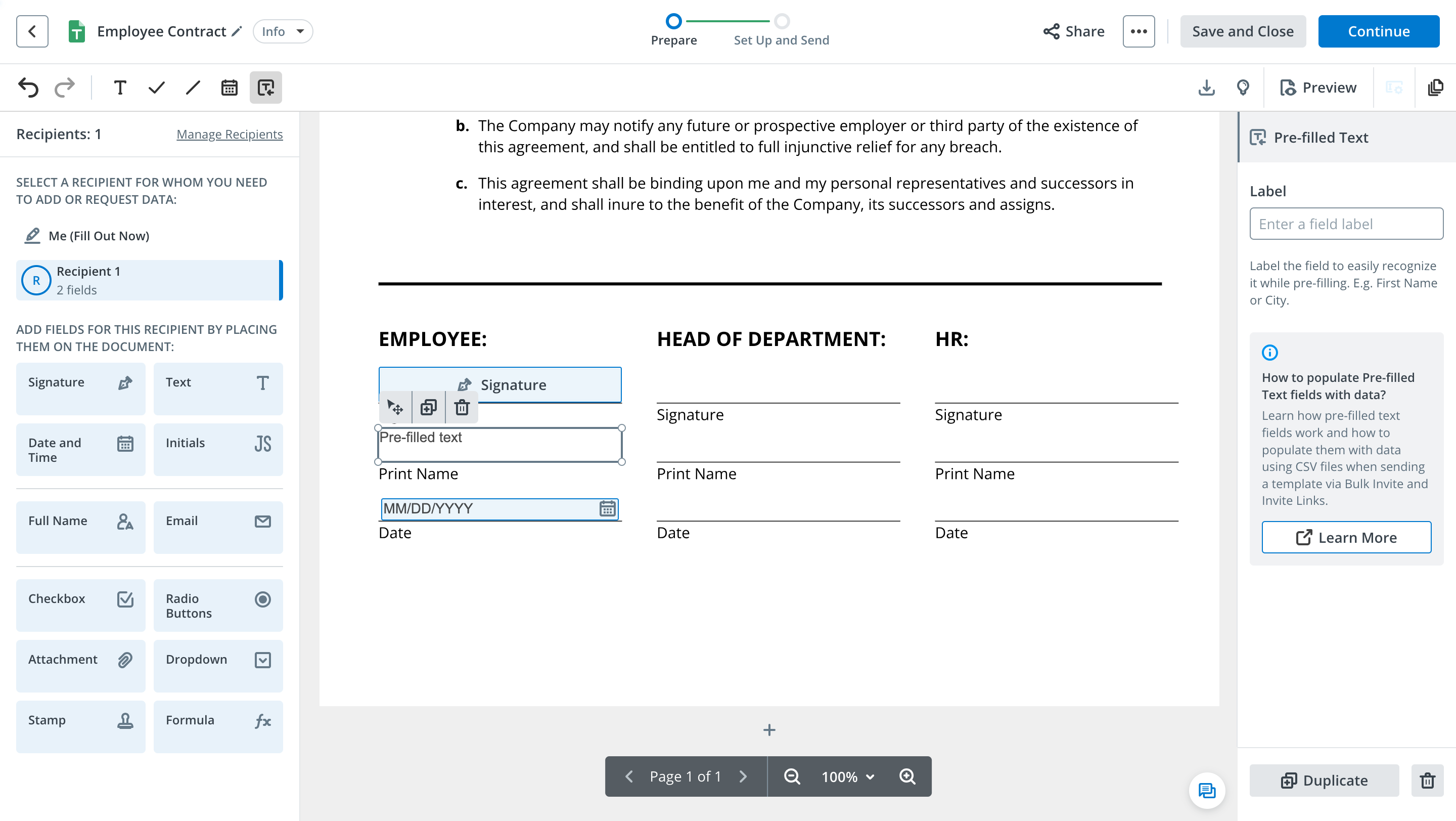
Add Pre-Filled Text Fields to a template

Create a template and open it in the editor. In the upper toolbar, select Pre-Filled Text Fields and place them anywhere in the document.
fill-guide-illustration

Create a CSV file

Prepare a CSV file from which to export data. Ensure it contains a column with your signers’ email addresses and another column with the information you want to export (e.g., “Employee Name”).

fill-guide-illustration

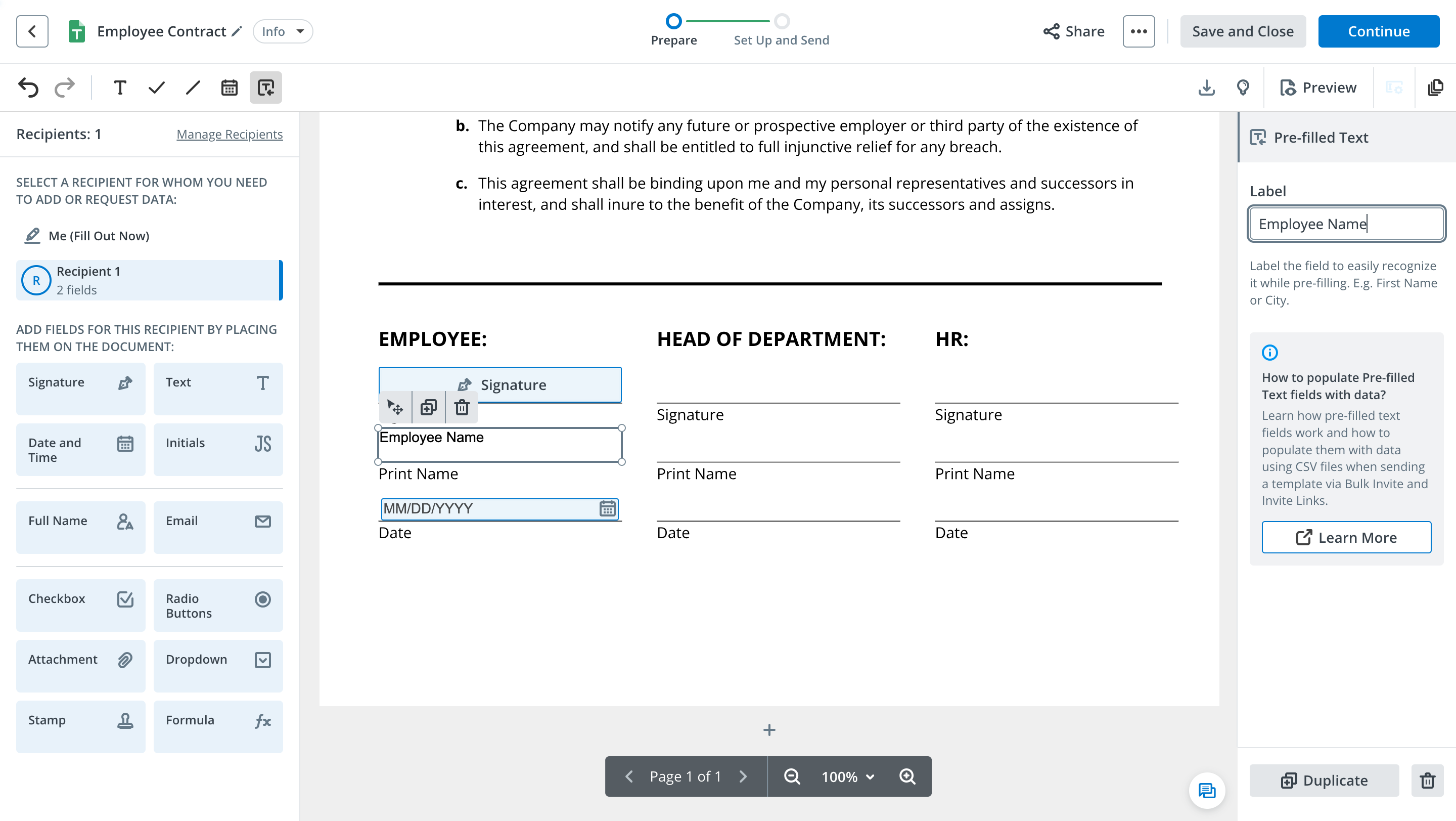
Label Pre-Filled Text Fields correctly

Enter a field label in the right-hand sidebar, which appears once you select any Pre-Filled Text Field. Ensure that your label matches the corresponding column name in your CSV file. Then, save and close your template.
fill-guide-illustration

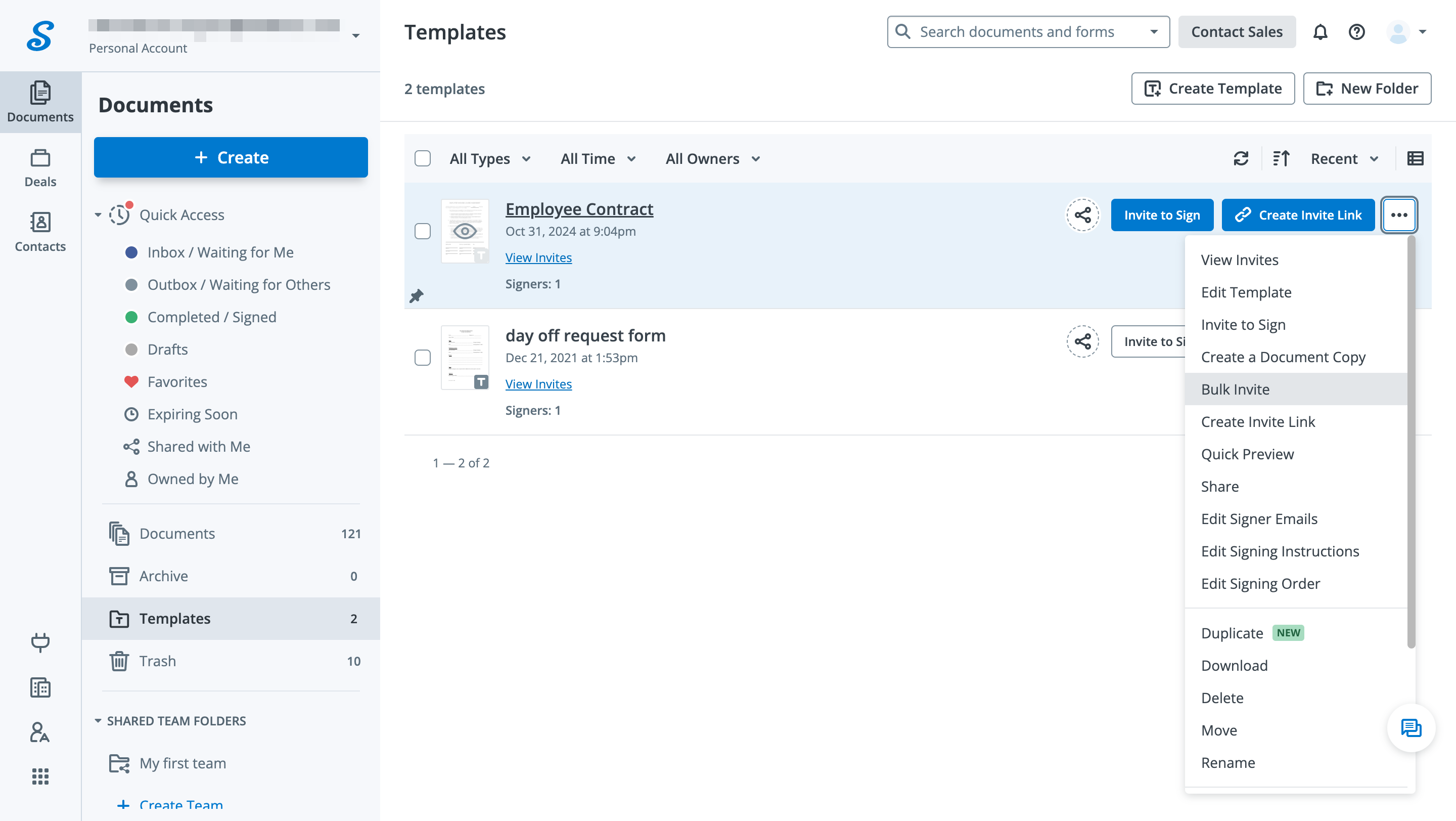
Prepare a bulk signature invite

Return to the Templates folder, click More next to your template, and select Bulk Invite from the dropdown.
fill-guide-illustration

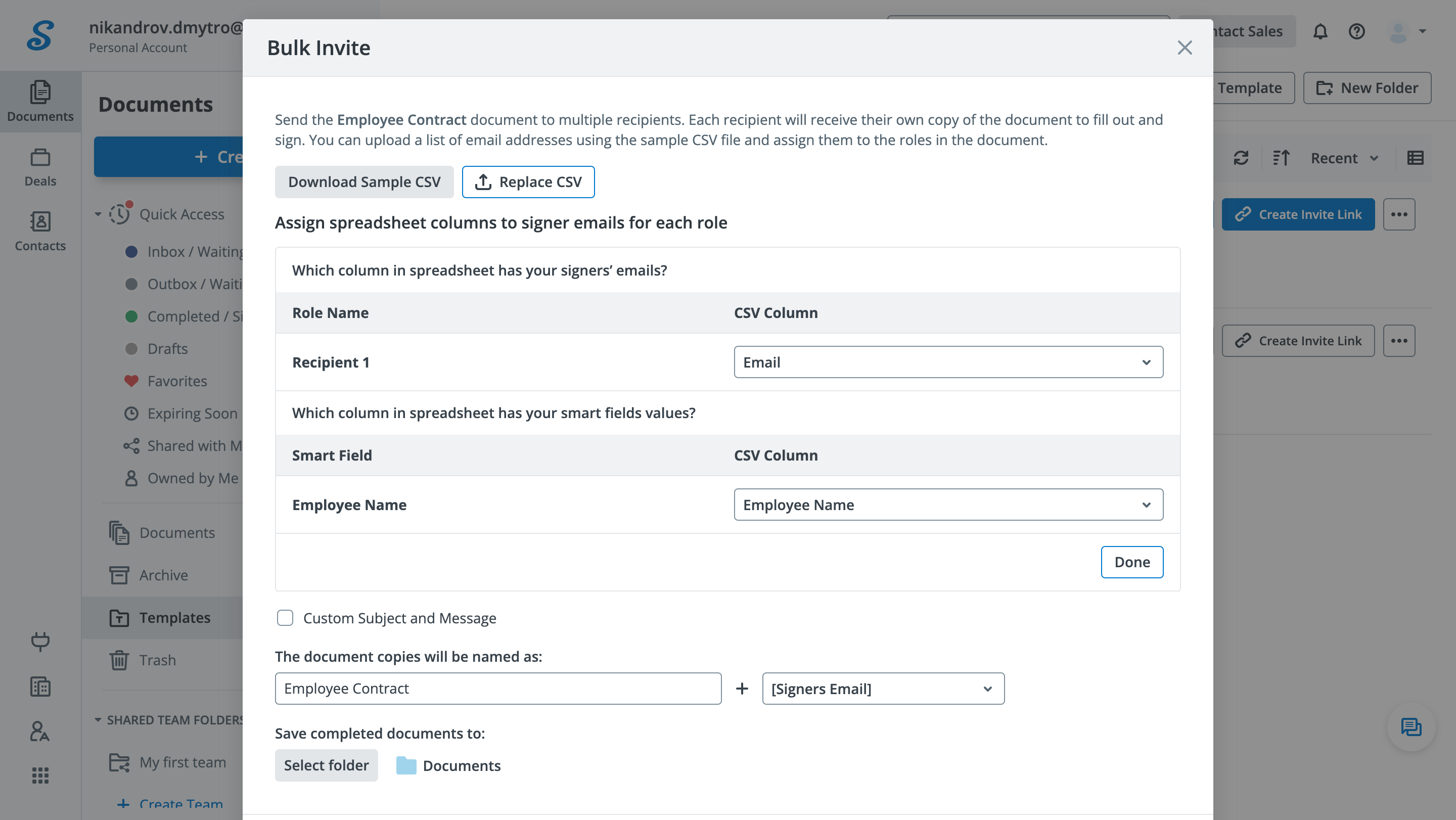
Upload your CSV

In the Bulk Invite popup, upload your CSV file and map columns to the respective Pre-Filled Text Fields, which are recognizable by their labels. When finished, click Done.
fill-guide-illustration

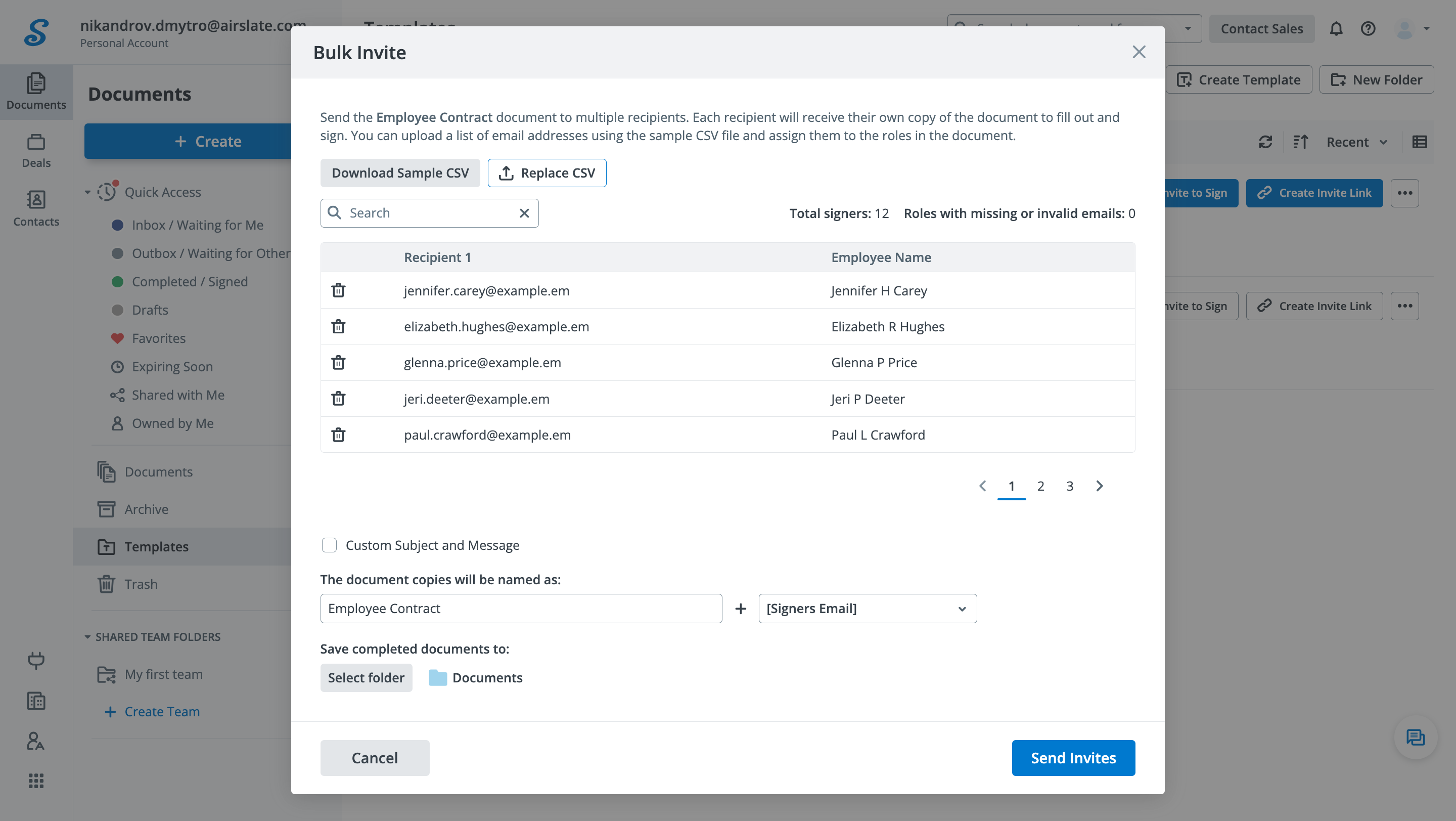
Send documents for signature

airSlate SignNow will extract data from your CSV and match it with the Pre-Filled Text Fields in your template. Once you click Send Invites, your signatories will receive pre-populated copies of the document.
fill-guide-illustration

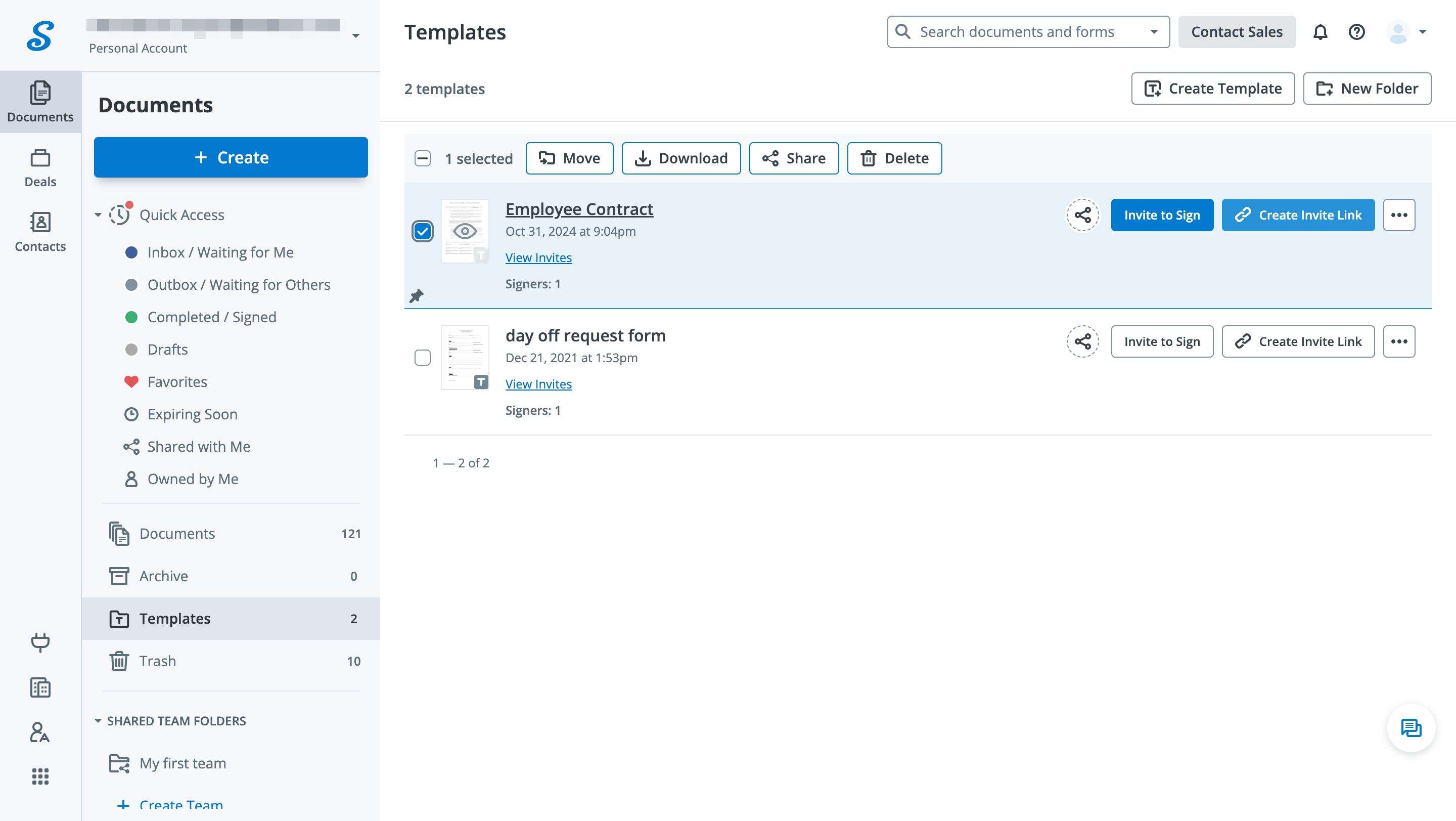
Use Pre-Filled Text Fields when sharing invite links

To auto-fill documents via an invite link, you need to modify the URL by including specific pre-fill values. Start by creating a template and adding Pre-Filled Text Fields, then generate an invite link.
fill-guide-illustration

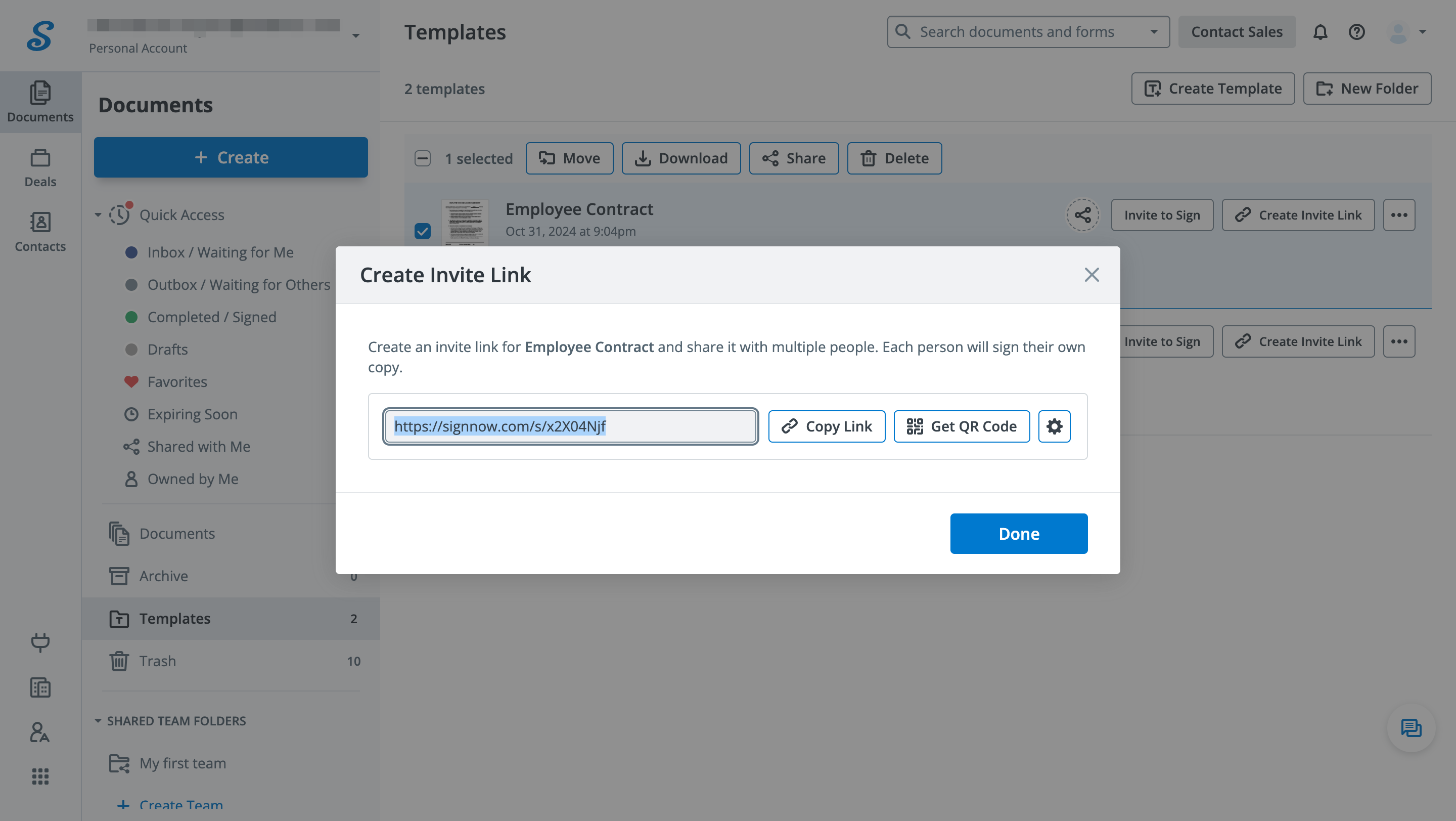
Get your invite link

Copy the link from the popup and paste it into any text editor or your internet browser’s URL bar.
fill-guide-illustration

Embed pre-fill values in an invite link

Edit the invite’s URL using the logic described below:

  1. Insert a question mark (?) at the end of the URL to enter additional parameters: https://signnow.com/s/pDe06pMX?
  2. Type a Pre-Filled Field’s name and the equals sign (=) followed by the data you’d like to fill: Title=CEO
  3. To add a space, insert (%20): John%20Smith
  4. Separate each value with the ampersand symbol (&): Name=John%20Smith&Title=CEO
fill-guide-illustration

Once all is set, share the link with the signatory. The values in the URL will automatically populate the corresponding Pre-Filled Text Fields.


walmart logo
exonMobil logo
apple logo
comcast logo
facebook logo
FedEx logo
be ready to get more

Get legally-binding signatures now!