Setup Dual Factor Authentication for Secure Signatures
Setup Dual Factor Authentication with SignNow
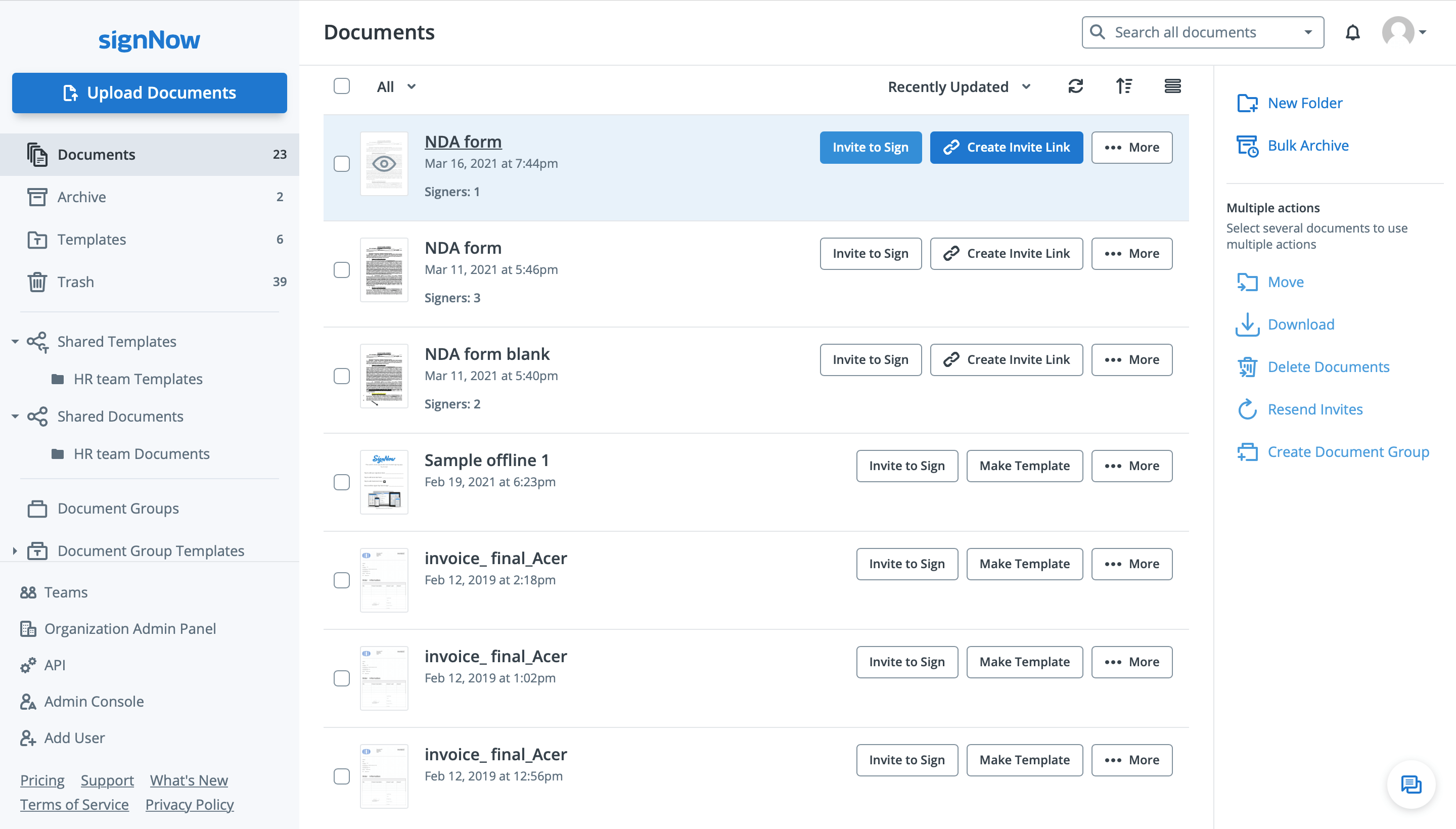
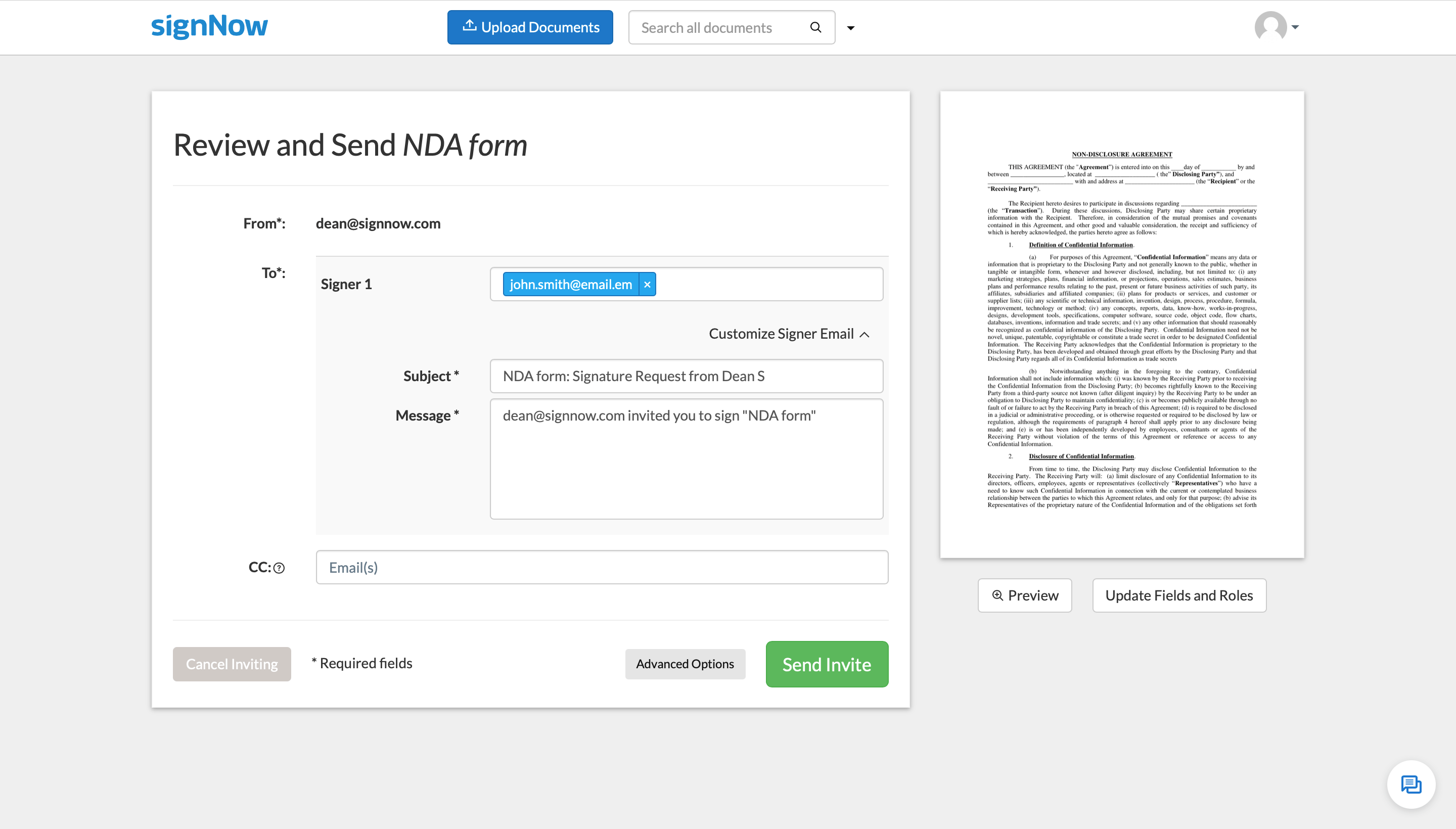
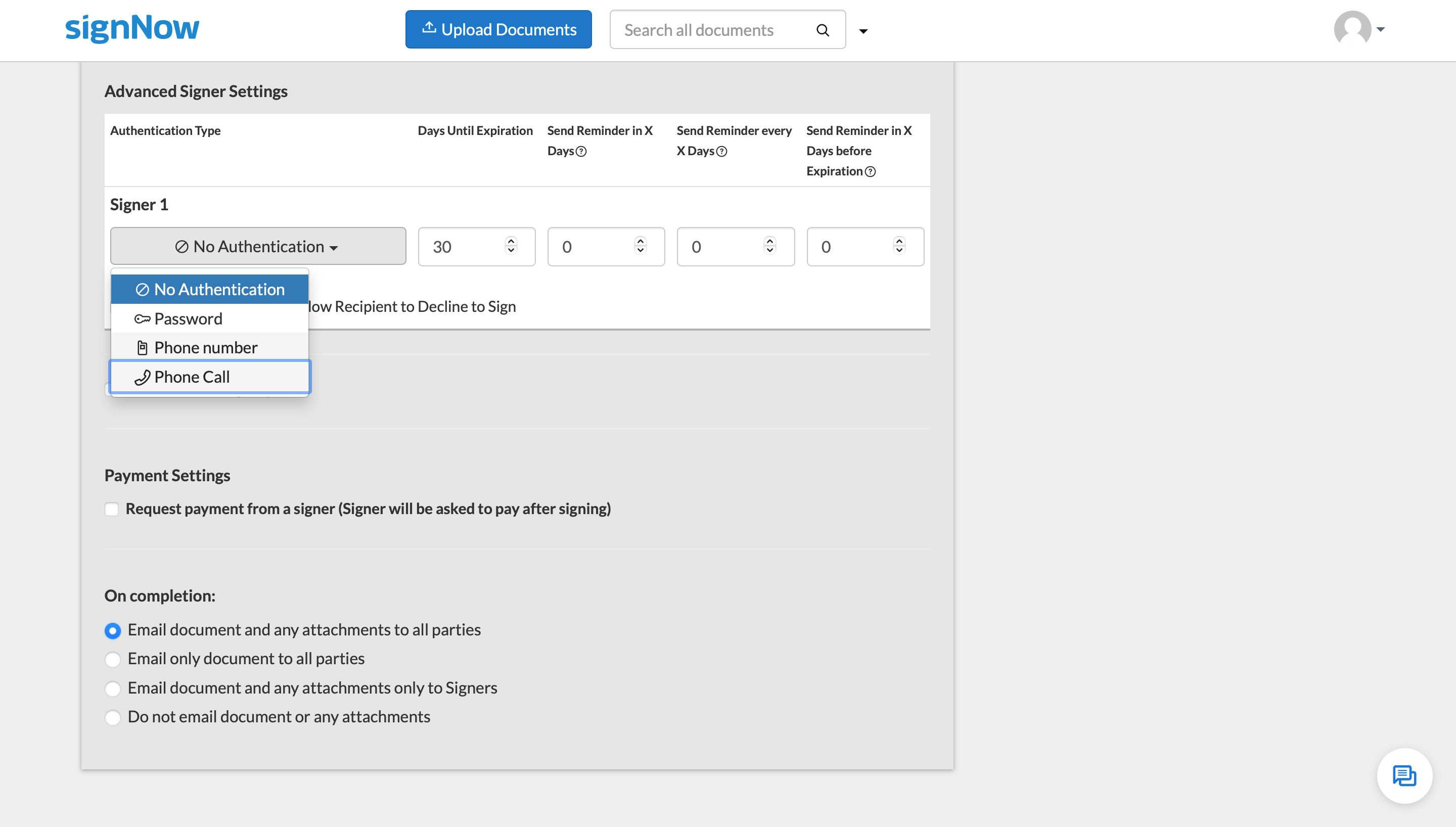
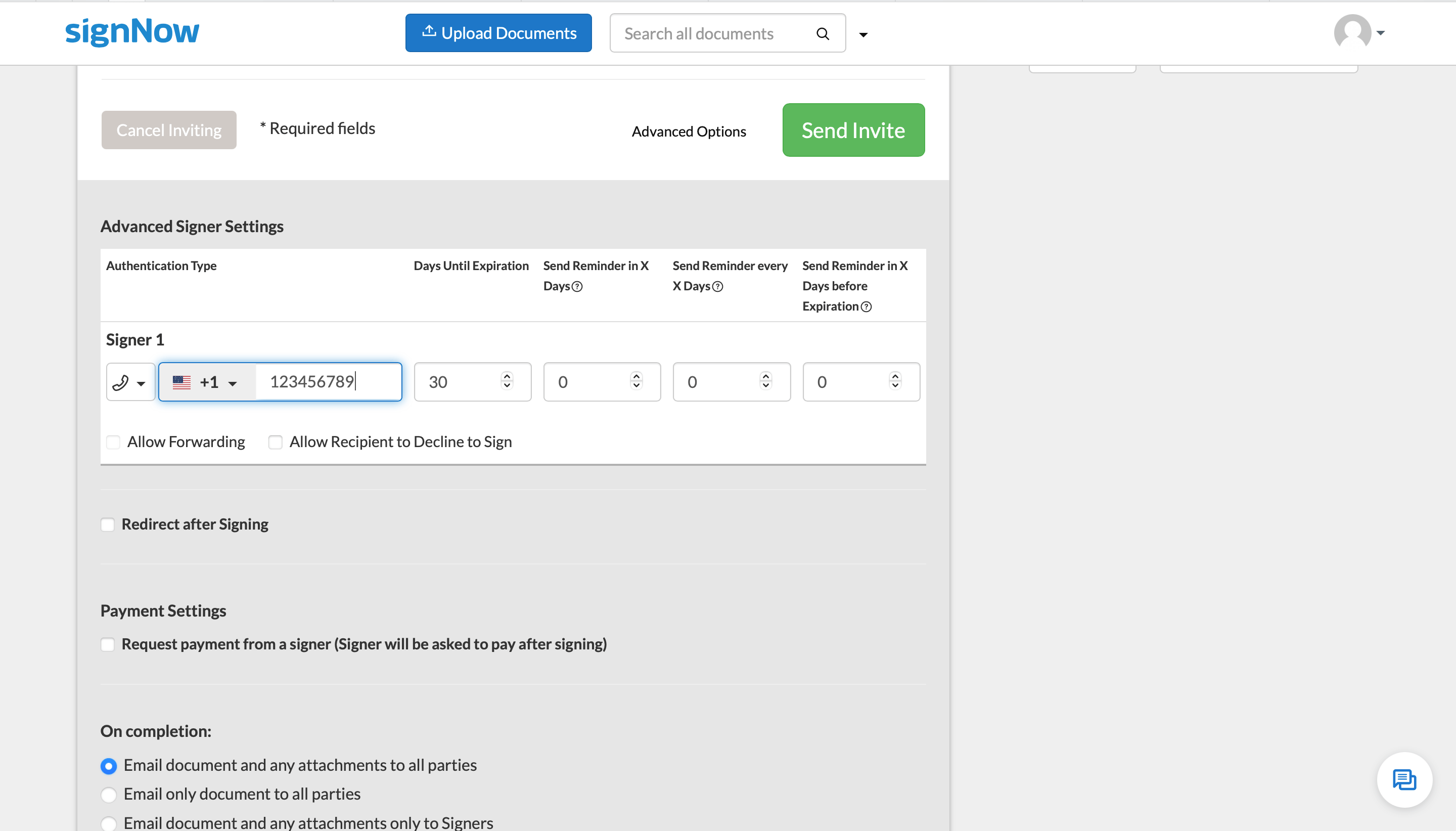
Make sure your documents are protected from unauthorized use with dual factor authentication. Set a password for specific signers and send it to them via SMS.
What setup dual factor authentication means for document security
Setup dual factor authentication adds a second verification step to an electronic signature process, requiring two distinct forms of identification before a signer can access or approve a document. Typical implementations pair something the user knows (a password) with something the user has (an authenticator app, SMS OTP, or hardware token). For eSignature workflows this reduces unauthorized access, strengthens signer identity proofs, and creates an auditable verification event. Organizations use dual factor authentication to align access controls with regulatory expectations and to lower the risk of fraudulent signatures across remote and mobile signing scenarios.
Why organizations add a second authentication factor
Dual factor authentication reduces credential-based fraud and demonstrates control over signer identity, which supports compliance and risk management for sensitive documents.
Common setup and adoption challenges
User resistance when additional steps lengthen signing time and require new apps or devices.
Device availability problems when signers lack a smartphone or reliable cellular service.
SMS-based OTP delivery can be delayed or intercepted, creating usability and security issues.
Integration complexity for legacy systems and custom workflows can slow deployment timelines.
Typical user roles when you setup dual factor authentication
IT Administrator
An IT Administrator configures authentication policies, integrates SSO or SAML providers, and maintains device and token inventories. They balance security settings with user experience and monitor logs for authentication failures and anomalies to maintain operational continuity.
Legal Counsel
Legal Counsel assesses identity and audit requirements for regulated transactions, documents retention, and admissibility. They confirm that dual factor configurations meet ESIGN and UETA expectations and document internal policies for signer authentication.
Who typically requires dual factor authentication
Organizations in regulated industries and teams handling sensitive records most often require an extra authentication factor.
Compliance teams enforcing auditability and proof of signer identity.
HR and payroll groups protecting personal employee information.
Finance and procurement teams approving high-value contracts.
Teams across legal, human resources, finance, and IT rely on additional verification to protect access and meet recordkeeping obligations.
be ready to get more
Choose a better solution
Key features to look for when you setup dual factor authentication
When implementing dual factor authentication for eSignatures, choose controls that balance security, compliance, and signer usability across devices.
Multiple factor types
Support for authenticator apps, SMS OTP, hardware tokens, and SAML SSO lets organizations select an appropriate verification method for different user populations and compliance needs without forcing a single approach.
Granular policies
Ability to apply MFA requirements per user group, role, document type, or template ensures that high-risk workflows receive stronger protections while routine approvals remain efficient for everyday users.
Audit and reporting
Comprehensive logging of authentication events, including timestamped second-factor verification and device details, provides evidence for audits and supports investigation of disputed transactions.
Fallback and recovery
Secure fallback options such as backup codes or administrator-assisted verification reduce the chance of sign-off delays when signers lose access to their primary second factor.
How dual factor authentication integrates with signing flows
Dual factor authentication inserts an additional verification step between document access and signature completion to confirm signer identity.
Initiate signing: Sender starts the signing session
Verify identity: Signer provides password and second factor
Grant access: System validates both credentials
Complete signing: Signed document and audit log recorded
Collect signatures
24x
faster
Reduce costs by
$30
per document
Save up to
40h
per employee / month
Step-by-step: How to setup dual factor authentication
Follow these core steps to enable and validate a second factor for signers in an eSignature workflow.
01
Select factor: Choose SMS, authenticator app, or hardware token
02
Enable policy: Apply policy to templates or user groups
03
Test flow: Run test signings with varied devices
04
Monitor: Review logs and adjust settings
Checklist to validate a dual factor authentication rollout
Use this grid to confirm technical and operational readiness before enforcing second-factor requirements across users.
01
Policy configuration:
Define MFA rules and scope
02
Identity provider integration:
Connect SAML or OIDC provider
03
User enrollment:
Register devices and tokens
04
Testing and QA:
Simulate signings on devices
05
Support procedures:
Document recovery and helpdesk steps
06
Monitoring:
Enable logs and alerts
be ready to get more
Why choose airSlate SignNow
Free 7-day trial. Choose the plan you need and try it risk-free.
Honest pricing for full-featured plans. airSlate SignNow offers subscription plans with no overages or hidden fees at renewal.
Enterprise-grade security. airSlate SignNow helps you comply with global security standards.
Recommended default settings for dual factor authentication workflows
Configuration values below represent a balanced starting point; adjust based on organizational risk and regulatory needs.
Feature
Configuration
Primary authentication method
Authenticator app
Secondary verification method
SMS OTP (optional)
Verification timeout window
120 seconds
Enforcement scope
Templates and user groups
Audit logging level
Full event details
Device and platform considerations for setup dual factor authentication
Confirm supported browsers, mobile OS versions, and network constraints before enabling a second factor for users.
Supported browsers:Chrome, Edge, Firefox
Mobile operating systems:iOS and Android recent versions
Network requirements:Internet access and port 443
Ensure mobile device management and browser policies are aligned with authentication choices; test on representative devices to identify issues with push notifications, SMS delivery, or authenticator app behavior before broad rollout.
Security controls involved in dual factor authentication
Authenticator App:Time-based one-time codes
SMS One-Time Password:Text-delivered OTP
Hardware Token:Physical token codes
SAML Single Sign-On:Federated identity
Public Key Infrastructure:Certificate-based auth
Device Binding:Device-specific keys
Industry examples of setup dual factor authentication in workflows
Real-world examples show how a second authentication factor reduces risk and meets sector-specific obligations while preserving digital workflows.
Healthcare Enrollment
A hospital system required stronger signer verification for patient intake forms, using authenticator apps as the second factor
Authenticator app codes issued to verified devices
Reduced unauthorized record access and improved chain of custody
Resulting in clearer audit trails and stronger HIPAA-aligned access controls during remote signings.
Mortgage Closing
A mortgage lender added SMS OTP and SAML SSO during remote closing to ensure signer identity for loan documents
OTP delivered at signing time
Lower incidence of identity fraud and disputed signatures
Resulting in fewer closing delays, stronger lender confidence, and more defensible audit records under state and federal guidelines.
Best practices for secure and usable dual factor authentication
Adopt practices that maintain security without unduly disrupting legitimate signing activity; these reduce friction while improving compliance and fraud protection.
Enforce MFA for sensitive workflows
Require dual factor authentication for high-risk documents such as financial approvals, contracts, and health records, and ensure policies are applied consistently across templates and user groups.
Provide clear signer instructions and fallback options
Communicate required steps in signer invites, offer backup codes or secondary verification, and document support procedures to minimize failed signings and support requests.
Regularly review authentication logs and policies
Schedule periodic audits of authentication events, calibrate timeouts and verification strength, and update settings when fraud patterns or regulatory requirements change.
Integrate with enterprise identity providers
Use SAML or SCIM integrations to centralize access control, enable single sign-on, and apply corporate identity lifecycle rules to reduce account misconfiguration risks.
Authenticator codes are time-based and rely on clock synchronization; if a device clock is incorrect, codes will fail. Verify device time settings, resync the authenticator app if available, and re-register the account if necessary. If the problem persists, use an alternative factor such as SMS OTP or reach out to your administrator for a recovery flow.
For signers without smartphones, provide alternative second factors such as SMS OTP to a mobile phone, a hardware token, or administrator-assisted verification. Document the fallback process and ensure it meets your compliance requirements and internal approval workflows before permitting exceptions to the preferred authentication method.
SMS OTP offers convenience but has known weaknesses such as SIM swap and interception risks. For high-risk transactions, prefer authenticator apps, hardware tokens, or certificate-based methods. Document your risk acceptance and consider layered controls like stricter enrollment checks for SMS users.
Implement a documented recovery process such as backup recovery codes, administrator verification with identity proof, or re-enrollment via a secure ID verification flow. Require multi-step verification for recovery and keep an audit trail of all recovery actions to support compliance and dispute resolution.
Requiring a second authentication factor strengthens identity evidence and does not conflict with ESIGN or UETA. It can improve defensibility of electronic signatures by demonstrating reasonable identity verification steps, provided audit logs and signer intent are preserved according to recordkeeping requirements.
Limit strict requirements to high-risk templates, offer multiple second-factor options, provide clear instructions in signing invitations, and support fallback methods. Monitor failed attempts and user feedback to refine policies and optimize the balance of security and usability.
How signNow compares on dual factor authentication features
This table highlights common authentication capabilities across prominent eSignature vendors focused on dual factor support and enterprise integration.
How to upload a document image from the gallery to airSlate SignNow
Easily move a document photo from your device’s storage to your airSlate SignNow account. The imported document can be quickly edited, transformed into a fillable form, and sent for eSignature directly from your smartphone or tablet.
Get started with a tap of your finger
Tap the plus icon in the bottom right corner of the airSlate SignNow mobile app’s home screen to bring up the upload menu.
Select Gallery in the menu and browse your device for the document image you need.
Edit & save document images in seconds
After you have selected the photo you need, it will open in the airSlate SignNow editor. You can add annotations and fillable fields to it by using the tools at the bottom of the screen.
Once finished, tap the checkmark icon in the top right corner of the screen to save a document.
Enter the title of your document in the pop-up and hit Save.
The document you’ve just uploaded from your gallery will appear at the very top of your ‘recents’ list, inside the Documents folder.
We use cookies to improve security, personalize the user experience, enhance our marketing activities (including cooperating with our 3rd party partners) and for other business use. Click here to read our Cookie Policy. By clicking “Accept“ you agree to the use of cookies. ... Read moreRead less