Créez Votre Modèle De Facture Vide Pour L'approvisionnement Sans Effort
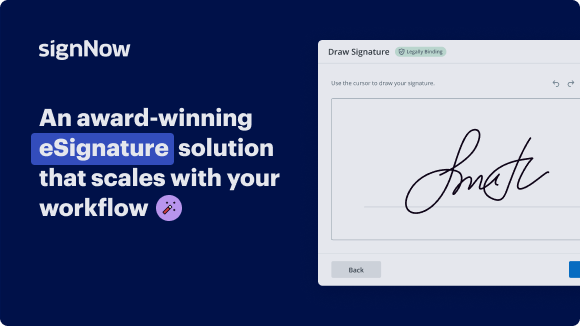
Solution eSignature primée




Faites avancer votre entreprise avec la solution de signature électronique airSlate SignNow
Ajoutez votre signature juridiquement contraignante
Intégrez via l'API
Envoyez des documents conditionnels
Partagez des documents via un lien d'invitation
Gagnez du temps avec des modèles réutilisables
Améliorez la collaboration d'équipe
Découvrez les signatures électroniques airSlate SignNow en action


Solutions airSlate SignNow pour une meilleure efficacité
Les avis de nos utilisateurs parlent d'eux-mêmes











Pourquoi choisir airSlate SignNow
-
Essai gratuit de 7 jours. Choisissez le forfait dont vous avez besoin et essayez-le sans risque.
-
Tarification honnête pour des forfaits complets. airSlate SignNow propose des abonnements sans frais supplémentaires ni frais cachés lors du renouvellement.
-
Sécurité de niveau entreprise. airSlate SignNow vous aide à respecter les normes de sécurité mondiales.

Utiliser un modèle de facture vide pour l'approvisionnement
Dans le monde dynamique de l'approvisionnement, l'efficacité est essentielle. Un modèle de facture vide peut rationaliser votre processus de facturation, en veillant à ce que vous capturiez tous les détails nécessaires tout en gagnant du temps. Avec airSlate SignNow, vous pouvez facilement gérer vos documents de la création à la signature, offrant une expérience fluide pour vous et vos fournisseurs.
Étapes pour créer un modèle de facture vide pour l'approvisionnement
- 1. Ouvrez le site web airSlate SignNow dans votre navigateur préféré.
- 2. Créez un compte d'essai gratuit ou connectez-vous avec vos identifiants existants.
- 3. Téléchargez le document de facture que vous souhaitez signer ou distribuer.
- 4. Si vous prévoyez d'utiliser la facture à nouveau, convertissez-la en un modèle pour une utilisation future.
- 5. Accédez à votre document et apportez des modifications : incorporez des champs remplissables ou des données supplémentaires si nécessaire.
- 6. Signez votre facture et ajoutez des champs de signature pour les destinataires requis.
- 7. Cliquez sur 'Continuer' pour finaliser et envoyer votre demande de signature électronique.
En utilisant airSlate SignNow, vous pouvez grandement améliorer vos processus d'approvisionnement. La plateforme offre non seulement un ensemble riche de fonctionnalités pour un investissement rentable, mais aussi une utilisation simple et des options d'évolutivité adaptées aux petites et moyennes entreprises.
Commencez dès aujourd'hui avec airSlate SignNow et transformez votre expérience de signature de documents en un processus simplifié et efficace. Ne manquez pas l'occasion de rendre votre approvisionnement plus fluide !
Comment ça marche
Fonctionnalités airSlate SignNow appréciées par les utilisateurs





Obtenez des signatures juridiquement contraignantes dès maintenant !
FAQ
-
Qu'est-ce qu'un modèle de facture vide pour l'approvisionnement ?
Un modèle de facture vide pour l'approvisionnement est un document personnalisable qui permet aux entreprises de créer des factures détaillées pour des biens et services. Ce modèle peut être facilement rempli avec les détails d'achat, les quantités et les prix, ce qui rationalise le processus de facturation. Utiliser un modèle de facture vide aide à garantir que toutes les informations nécessaires sont incluses, améliorant ainsi la précision et le professionnalisme. -
Comment puis-je utiliser un modèle de facture vide pour l'approvisionnement avec airSlate SignNow ?
Avec airSlate SignNow, vous pouvez facilement personnaliser votre modèle de facture vide pour l'approvisionnement en ajoutant le logo de votre entreprise, les conditions de paiement et d'autres détails pertinents. Il suffit de télécharger votre modèle sur la plateforme, et vous pouvez commencer à remplir les informations requises. Une fois terminé, vous pouvez envoyer la facture pour une signature électronique, garantissant un processus d'approbation rapide et sécurisé. -
Le modèle de facture vide pour l'approvisionnement est-il disponible gratuitement ?
AirSlate SignNow propose une variété de modèles de documents, y compris le modèle de facture vide pour l'approvisionnement, dans le cadre de son service. Bien que l'accès de base puisse être gratuit, les fonctionnalités premium et le stockage supplémentaire peuvent nécessiter un abonnement. Consultez notre page tarifaire pour des informations détaillées sur les plans disponibles. -
Puis-je intégrer le modèle de facture vide pour l'approvisionnement avec d'autres logiciels ?
Oui, airSlate SignNow permet une intégration transparente avec divers systèmes de comptabilité et d'approvisionnement, améliorant l'utilité du modèle de facture vide pour l'approvisionnement. Des intégrations comme QuickBooks, Salesforce, et d'autres permettent aux utilisateurs de gérer les factures directement dans leurs flux de travail existants. Cette fonctionnalité aide à augmenter la productivité et à réduire les erreurs de saisie manuelle. -
Quels sont les avantages d'utiliser un modèle de facture vide pour l'approvisionnement ?
L'utilisation d'un modèle de facture vide pour l'approvisionnement aide à standardiser votre processus de facturation, en veillant à ce que tous les éléments nécessaires soient inclus dans chaque document. Cela conduit à une efficacité améliorée, réduit la probabilité d'erreurs et favorise le professionnalisme dans vos relations commerciales. De plus, cela fait gagner du temps en fournissant un cadre prêt à l'emploi pour toutes les transactions d'approvisionnement. -
Puis-je modifier le modèle de facture vide pour l'approvisionnement après l'avoir créé ?
Absolument ! Une fois que vous avez créé votre modèle de facture vide pour l'approvisionnement dans airSlate SignNow, vous pouvez le modifier à tout moment pour l'adapter aux changements dans votre entreprise ou vos exigences. Cette flexibilité garantit que votre modèle reste pertinent et à jour, vous permettant de vous adapter facilement à diverses situations d'approvisionnement. -
Quelles fonctionnalités la plateforme airSlate SignNow offre-t-elle pour le modèle de facture vide pour l'approvisionnement ?
La plateforme airSlate SignNow propose un éditeur intuitif de glisser-déposer pour personnaliser votre modèle de facture vide pour l'approvisionnement. De plus, vous pouvez ajouter des champs pour la signature électronique, la date, et d'autres informations importantes, rendant le processus de facturation simple. Des fonctionnalités telles que les rappels automatiques et l'automatisation des flux de travail améliorent également l'efficacité de la gestion des factures.
Ce que disent les utilisateurs actifs — empty invoice template for procurement


Obtenez plus pour empty invoice template for procurement
- Solutions de Gestion de Contrats Légaux pour la Planification
- Solutions de Gestion de Contrats Légaux pour Achats
- Solutions de Gestion de Contrats Juridiques pour l'Assurance Qualité
- Solutions de Gestion de Contrats Juridiques pour l'Ingénierie
- Solutions de Gestion de Contrats Légaux pour l'Export
- Solutions de Gestion de Contrats Juridiques pour le Transport
- Solutions de Gestion de Contrats Légaux pour les Relations Publiques
- Solutions de gestion de contrats légaux pour la production
Découvrez d'autres empty invoice template for procurement
- Exigences légales en matière de signature
- Signature en direct
- Signature Mac
- Créer une signature numérique
- Making a digital signature
- Ajouter une signature dans Microsoft Outlook
- Ajouter une signature dans Microsoft Word
- Signature électronique Microsoft Word
- Signature d'email Ms Outlook
- Ajouter une signature à Office 365
- Signature numérique en ligne
- Online signature free
- Pad de signature en ligne
- Emplacement de la signature Outlook 2016
- Signature automatique Outlook
- Signature numérique Outlook
- Outlook comment ajouter une signature
- Paramétrage de la signature Outlook
- Fichier de signature Outlook
- Configuration de la signature Outlook