Catalogue De Signatures Sécurisé Et Efficace
Solution eSignature primée





Améliorez votre flux de travail de documents avec airSlate SignNow
Flux de travail eSignature flexibles
Visibilité instantanée sur l'état du document
Configuration d'intégration facile et rapide
Acte de signature sur n'importe quel appareil
Traçabilité d'audit complète
Exigences de protection rigoureuses
Découvrez les signatures électroniques airSlate SignNow en action
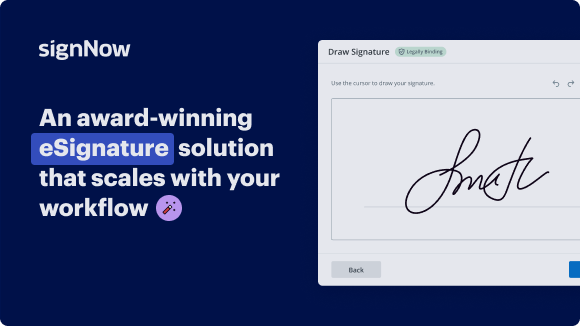


Solutions airSlate SignNow pour une meilleure efficacité
Les avis de nos utilisateurs parlent d'eux-mêmes











Pourquoi choisir airSlate SignNow
-
Essai gratuit de 7 jours. Choisissez le forfait dont vous avez besoin et essayez-le sans risque.
-
Tarification honnête pour des forfaits complets. airSlate SignNow propose des abonnements sans frais supplémentaires ni frais cachés lors du renouvellement.
-
Sécurité de niveau entreprise. airSlate SignNow vous aide à respecter les normes de sécurité mondiales.
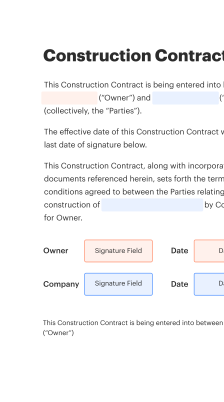
Votre guide étape par étape — signature deed
En adoptant la signature électronique d'airSlate SignNow, toute organisation peut augmenter ses flux de signature et signer en ligne en temps réel, offrant une meilleure expérience aux clients et aux employés. Utilisez l'acte de signature en quelques étapes simples. Nos applications mobiles rendent le travail en déplacement possible, même hors ligne! Signez des contrats de n'importe où dans le monde et terminez des tâches en moins de temps.
Suivez un guide étape par étape pour utiliser l'acte de signature :
- Connectez-vous à votre compte airSlate SignNow.
- Trouvez votre document dans vos dossiers ou importez-en un nouveau.
- Ouvrez le document et apportez des modifications en utilisant le menu Outils.
- Déposez des cases à remplir, ajoutez du texte et signez électroniquement.
- Incluez plusieurs signataires par e-mails, configurez la séquence de signature.
- Spécifiez quels destinataires recevront un document signé.
- Utilisez Options avancées pour limiter l'accès au document et définir une date d'expiration.
- Cliquez sur Enregistrer et Fermer une fois terminé.
De plus, il existe des fonctions améliorées pour l'acte de signature. Listez les utilisateurs dans votre espace de travail partagé, visualisez les équipes et suivez le travail d'équipe. De nombreux clients aux États-Unis et en Europe reconnaissent qu'une solution qui rassemble tout dans un environnement unifié est ce dont les entreprises ont besoin pour maintenir des flux de travail fluides. L'API REST d'airSlate SignNow vous permet d'intégrer des signatures électroniques dans votre application, site web, CRM ou stockage cloud. Découvrez airSlate SignNow et profitez de flux de signature électronique plus rapides, plus faciles et globalement plus efficaces!
Comment ça marche
Fonctionnalités airSlate SignNow appréciées par les utilisateurs





Découvrez des résultats exceptionnels Catalogue de Signatures Sécurisé et Efficace
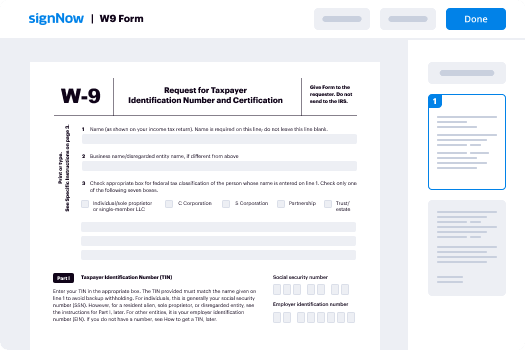
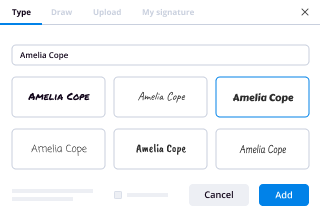
Comment remplir et signer un PDF en ligne
Essayez la méthode la plus rapide pour l'acte de signature. Évitez les flux de travail basés sur le papier et gérez les documents directement depuis airSlate SignNow. Remplissez et partagez vos formulaires depuis le bureau ou travaillez sans effort en déplacement. Aucune installation ou logiciel supplémentaire requis. Toutes les fonctionnalités sont disponibles en ligne, il suffit d'aller sur signnow.com et de créer votre propre flux de signature électronique.
Un guide bref pour signer un acte en quelques minutes
- Créez un compte airSlate SignNow (si vous ne vous êtes pas encore inscrit) ou connectez-vous avec votre Google ou Facebook.
- Cliquez sur Importer et sélectionnez l'un de vos documents.
- Utilisez l'outil Ma Signature pour créer votre signature unique.
- Transformez le document en un PDF dynamique avec des champs à remplir.
- Remplissez votre nouveau formulaire et cliquez sur Terminé.
Une fois terminé, envoyez une invitation à signer à plusieurs destinataires. Obtenez un contrat exécutoire en quelques minutes en utilisant n'importe quel appareil. Explorez plus de fonctionnalités pour créer des PDF professionnels ; ajoutez des champs à remplir, acte de signature et collaborez en équipe. La solution d'eSignature offre un flux de travail sécurisé et fonctionne conformément à la certification SOC 2 Type II. Assurez-vous que toutes vos informations sont protégées afin que personne ne puisse les modifier.
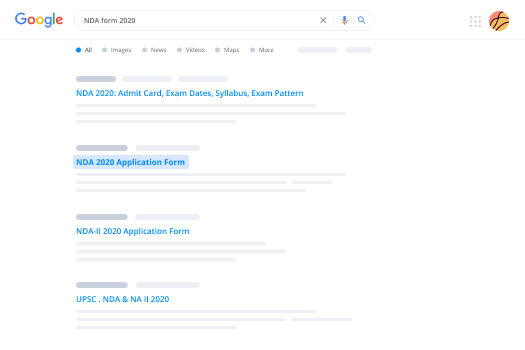
Comment eSigner un PDF dans Google Chrome
Vous cherchez une solution pour signer un acte directement depuis Chrome ? L'extension airSlate SignNow pour Google est là pour vous aider. Trouvez un document et ouvrez-le facilement dans votre navigateur. Ajoutez des champs remplissables pour le texte et la signature. Signez le PDF et partagez-le en toute sécurité conformément au RGPD, à la certification SOC 2 Type II et plus encore.
En utilisant ce guide rapide ci-dessous, étendez votre flux de signature électronique dans Google et l'acte de signature :
- Allez sur le Chrome Web Store et trouvez l'extension airSlate SignNow.
- Cliquez sur Ajouter à Chrome.
- Connectez-vous à votre compte ou inscrivez-vous en un nouveau.
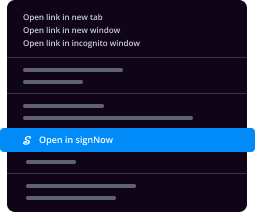
- Importez un document et cliquez sur Ouvrir dans airSlate SignNow.
- Modifiez le document.
- Signez le PDF en utilisant l'outil Ma Signature.
- Cliquez sur Terminé pour enregistrer vos modifications.
- Invitez d'autres participants à signer en cliquant sur Inviter à Signer et en sélectionnant leurs e-mails/noms.
Créez une signature intégrée à votre flux de travail pour l'acte de signature et faites signer des PDFs en quelques minutes. Dites adieu aux piles de papiers sur votre bureau et commencez à économiser de l'argent et du temps pour des tâches plus importantes. Choisir l'extension Google airSlate SignNow est une option pratique avec de nombreux avantages.
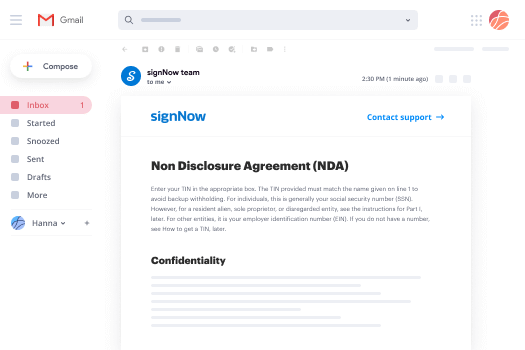
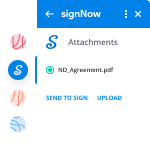

Comment eSigner une pièce jointe dans Gmail
Si vous êtes comme la plupart, vous avez l'habitude de télécharger les pièces jointes que vous recevez, de les imprimer puis de les signer, n'est-ce pas ? Eh bien, nous avons une bonne nouvelle pour vous. Signer des documents dans votre boîte mail devient beaucoup plus facile. L'add-on airSlate SignNow pour Gmail vous permet de signer un acte sans quitter votre boîte aux lettres. Faites tout ce dont vous avez besoin ; ajoutez des champs à remplir et envoyez des demandes de signature en quelques clics.
Comment signer un acte dans Gmail :
- Recherchez airSlate SignNow pour Gmail dans le G Suite Marketplace et cliquez sur Installer.
- Connectez-vous à votre compte airSlate SignNow ou créez-en un nouveau.
- Ouvrez votre e-mail avec le PDF que vous devez signer.
- Cliquez sur Importer pour enregistrer le document dans votre compte airSlate SignNow.
- Cliquez sur Ouvrir le document pour ouvrir l'éditeur.
- Signez le PDF en utilisant Ma Signature.
- Envoyez une demande de signature aux autres participants avec le bouton Envoyer pour Signer.
- Entrez leur e-mail et appuyez sur OK.
En conséquence, les autres participants recevront des notifications leur demandant de signer le document. Plus besoin de télécharger le PDF encore et encore, il suffit de signer en quelques clics. Cet add-on est adapté à ceux qui préfèrent travailler sur des choses plus importantes plutôt que de perdre du temps inutilement. Augmentez votre routine quotidienne avec la solution de signature électronique primée.
Comment eSigner un PDF en déplacement sans application
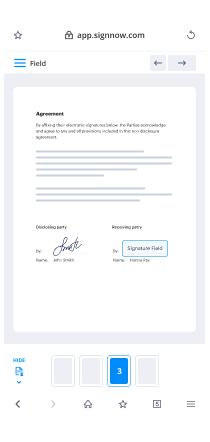
Pour de nombreux produits, effectuer des transactions en déplacement signifie installer une application sur votre téléphone. Nous sommes heureux de dire qu'avec airSlate SignNow, la signature en déplacement est plus rapide et plus facile en éliminant le besoin d'une application mobile. Pour signer électroniquement, ouvrez votre navigateur (n'importe quel navigateur mobile) et accédez directement à airSlate SignNow et à tous ses puissants outils d'eSignature. Modifiez des documents, acte de signature et plus encore. Aucune installation ou logiciel supplémentaire requis. Concluez votre transaction de n'importe où.
Consultez nos instructions étape par étape qui vous apprennent comment signer un acte.
- Ouvrez votre navigateur et allez sur signnow.com.
- Connectez-vous ou inscrivez un nouveau compte.
- Importez ou ouvrez le document que vous souhaitez modifier.
- Ajoutez des champs à remplir pour le texte, la signature et la date.
- Tracez, tapez ou téléchargez votre signature.
- Cliquez sur Enregistrer et Fermer.
- Cliquez sur Inviter à Signer et entrez l'e-mail d'un destinataire si vous souhaitez que d'autres signent le PDF.
Travailler sur mobile n'est pas différent de sur un ordinateur de bureau : créez un modèle réutilisable, acte de signature et gérez le flux comme vous le feriez normalement. En quelques clics, obtenez un contrat exécutoire que vous pouvez télécharger sur votre appareil et envoyer aux autres. Cependant, si vous souhaitez vraiment une application, téléchargez l'application mobile airSlate SignNow. Elle est sécurisée, rapide et possède une interface excellente. Essayez des flux de signature électronique faciles depuis le bureau, dans un taxi ou dans un avion.
Comment signer un PDF avec un iPhone
iOS est un système d'exploitation très populaire doté d'outils natifs. Il vous permet de signer et d'éditer des PDFs en utilisant Preview sans logiciel supplémentaire. Cependant, aussi géniale que soit la solution d'Apple, elle ne propose pas d'automatisation. Améliorez les capacités de votre iPhone en profitant de l'application airSlate SignNow. Utilisez votre iPhone ou iPad pour signer un acte et plus encore. Introduisez l'automatisation de la signature électronique dans votre flux de travail mobile.
Signer sur un iPhone n'a jamais été aussi facile :
- Recherchez l'application airSlate SignNow dans l'App Store et installez-la.
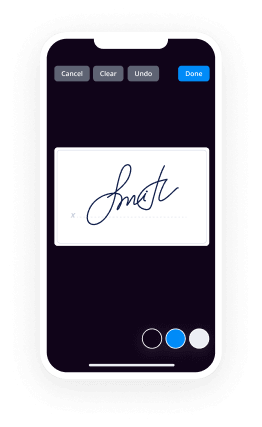
- Créez un nouveau compte ou connectez-vous avec votre Facebook ou Google.
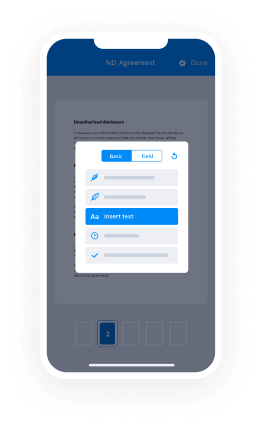
- Cliquez sur Plus et importez le fichier PDF que vous souhaitez signer.
- Tapez sur le document où vous souhaitez insérer votre signature.
- Explorez d'autres fonctionnalités : ajoutez des champs à remplir ou un acte de signature.
- Utilisez le bouton Enregistrer pour appliquer les modifications.
- Partagez vos documents par e-mail ou lien de signature.
Créez des PDFs professionnels directement depuis votre application airSlate SignNow. Optimisez votre temps et travaillez de n'importe où ; à la maison, au bureau, dans un bus ou un avion, et même à la plage. Gérez un flux de documents complet sans effort : générez des modèles réutilisables, acte de signature et travaillez sur des documents avec des partenaires commerciaux. Transformez votre appareil en un instrument d'entreprise très efficace pour conclure des affaires.
Comment eSigner un PDF avec un Android
Pour les utilisateurs Android, pour gérer des documents depuis leur téléphone, ils doivent installer un logiciel supplémentaire. Le Play Market est vaste et regorge d'options, donc trouver une bonne application n'est pas trop difficile si vous avez le temps de parcourir des centaines d'applications. Pour gagner du temps et éviter la frustration, nous suggérons airSlate SignNow pour Android. Stockez et modifiez des documents, créez des rôles de signature, et même acte de signature.
Les 9 étapes simples pour optimiser votre flux de travail mobile :
- Ouvrez l'application.
- Connectez-vous avec vos comptes Facebook ou Google ou inscrivez-vous si vous n'avez pas encore autorisé.
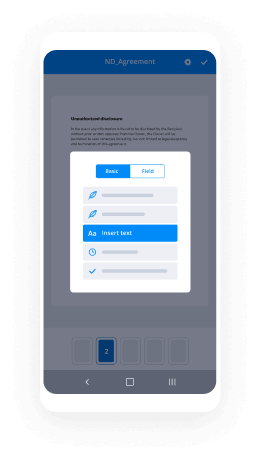
- Cliquez sur + pour ajouter un nouveau document en utilisant votre caméra, stockage interne ou cloud.
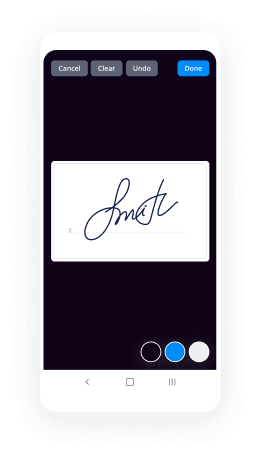
- Tapez n'importe où sur votre PDF et insérez votre eSignature.
- Cliquez sur OK pour confirmer et signer.
- Essayez plus de fonctionnalités d'édition ; ajoutez des images, acte de signature, créez un modèle réutilisable, etc.
- Cliquez sur Enregistrer pour appliquer les modifications une fois terminé.
- Téléchargez le PDF ou partagez-le par e-mail.
- Utilisez la fonction Inviter à signer si vous souhaitez définir et envoyer un ordre de signature aux destinataires.
Transformez le banal et la routine en quelque chose de simple et fluide avec l'application airSlate SignNow pour Android. Signez et envoyez des documents pour signature depuis n'importe quel endroit connecté à Internet. Créez des PDFs professionnels et acte de signature en quelques clics. Concevez un flux de signature électronique impeccable en utilisant uniquement votre smartphone et augmentez votre productivité globale.
Obtenez des signatures juridiquement contraignantes dès maintenant !
FAQ
-
Comment signer un acte?
Signer en tant qu'acte nécessite ces mots précis et la signature de la personne "qui établit" l'acte. La signature doit être sur le document lui-même, approximativement dans l'espace prévu. Les mots d'exécution doivent nommer le signataire ou autrement préciser qui a signé le document. -
Comment une entreprise signe-t-elle un acte?
La façon la plus courante pour les entreprises d'exécuter des actes est de suivre les méthodes énoncées dans la loi sur les sociétés. La loi sur les sociétés stipule qu'une société peut exécuter un acte en le faisant signer par : deux administrateurs de la société ; ... pour les sociétés privées uniquement, le seul administrateur qui est également le secrétaire de la société. -
Pourquoi utiliser un acte plutôt qu'un contrat?
La théorie sous-jacente est qu'un acte est destiné à créer une "promesse solennelle" par une partie à une autre, alors qu'un contrat est plus dans la nature d'un marché entre deux parties. (Cela dit, un acte est souvent utilisé par les entreprises pour échanger quelque chose de valeur de la même manière qu'un contrat). -
Peut-on signer électroniquement un acte?
Oui — vous pouvez utiliser signatures électroniques. Lors de l'exécution d'un acte, pour que la signature électronique soit valide, vous devez vous assurer que le témoin est physiquement présent lorsque le signataire signe. ... Lors de l'exécution d'un acte, renvoyez le document entier et la page de signature signée (pas seulement la page de signature signée). -
Les actes peuvent-ils être exécutés électroniquement?
Les signatures électroniques sont une méthode valide d'exécution des actes en vertu du droit commun anglais. ... Un témoin d'un document exécuté électroniquement doit donc être dans la même pièce que le signataire lorsqu'il applique sa signature électronique. Le témoin peut attester électroniquement l'acte. -
Peut-on utiliser airSlate SignNow pour un acte?
Oui! La note de pratique de la Law Society sur l'exécution d'un document à l'aide d'une signature électronique, publiée le 21 juillet 2016 et qui représente l'avis de la Law Society sur les bonnes pratiques dans ce domaine, a clarifié qu'un acte peut être exécuté électroniquement. -
Chaque page d'un acte doit-elle être initialée?
L'exigence de "chaque page" est une exigence d'une époque révolue, avant les processeurs de texte, le courrier électronique, la gestion de documents et les machines à fax. Il n'existe aucune loi ou statut qui exige que chaque page d'un contrat soit initialée. ... La pratique diminue, bien que vous puissiez vous attendre à la voir sur des contrats immobiliers pendant des décennies à venir. -
Comment initialiser chaque page?
Que signifie "mettre vos initiales" sur toutes les pages d'un document ou d'un accord avant la dernière page où votre nom complet et votre signature sont demandés? Cela signifie que chaque page du document doit comporter vos initiales complètes en bas à droite ou à gauche. -
Comment une entreprise peut-elle exécuter un acte?
Les actes doivent être écrits et seront généralement exécutés en présence d'un témoin, bien que dans le cas d'une société, un acte peut être exécuté efficacement par deux administrateurs ou un administrateur et le secrétaire de la société. Une formulation spécifique doit également être incluse au-dessus des blocs de signature. -
Comment une société exécute-t-elle un acte?
Les actes doivent être écrits et seront généralement exécutés en présence d'un témoin, bien que dans le cas d'une société, un acte peut être exécuté efficacement par deux administrateurs ou un administrateur et le secrétaire de la société. Une formulation spécifique doit également être incluse au-dessus des blocs de signature. -
Un secrétaire de société peut-il exécuter un acte?
L'exécution d'un acte était traditionnellement effectuée par les signatures de deux administrateurs de la société, un administrateur et le secrétaire de la société ou en apposant le sceau commun de la société sur le document. ... Les sociétés peuvent également encore exécuter des actes en utilisant un secrétaire de société ou les signatures de deux administrateurs.


