Establishing secure connection… Loading editor… Preparing document…
Navigation

Fill and Sign the Drafting and Enforcing Complex Indemnification Provisions Form
Fill and Sign the Drafting and Enforcing Complex Indemnification Provisions Form

How it works

Open the document and fill out all its fields.
Apply your legally-binding eSignature.
Save and invite other recipients to sign it.

Rate template

4.5
38 votes
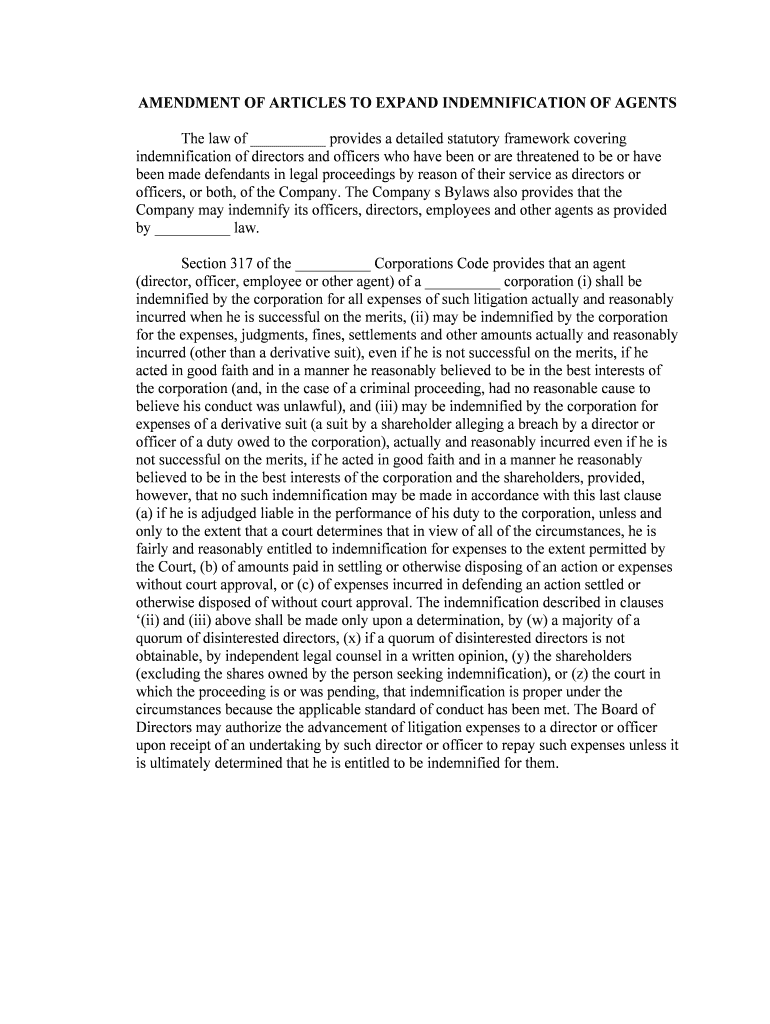
AMENDMENT OF ARTICLES TO EXPAND INDEMNIFICATION OF AGENTSThe law of __________ provides a detailed statutory framework covering indemnification of directors and officers who have been or are threatened to be or have been made defendants in legal proceedings by reason of their service as directors or officers, or both, of the Company. The Company s Bylaws also provides that the Company may indemnify its officers, directors, employees and other agents as provided by __________ law. Section 317 of the __________ Corporations Code provides that an agent (director, officer, employee or other agent) of a __________ corporation (i) shall be indemnified by the corporation for all expenses of such litigation actually and reasonably incurred when he is successful on the merits, (ii) may be indemnified by the corporation for the expenses, judgments, fines, settlements and other amounts actually and reasonably incurred (other than a derivative suit), even if he is not successful on the merits, if he acted in good faith and in a manner he reasonably believed to be in the best interests of the corporation (and, in the case of a criminal proceeding, had no reasonable cause to believe his conduct was unlawful), and (iii) may be indemnified by the corporation for expenses of a derivative suit (a suit by a shareholder alleging a breach by a director or officer of a duty owed to the corporation), actually and reasonably incurred even if he is not successful on the merits, if he acted in good faith and in a manner he reasonably believed to be in the best interests of the corporation and the shareholders, provided, however, that no such indemnification may be made in accordance with this last clause (a) if he is adjudged liable in the performance of his duty to the corporation, unless and only to the extent that a court determines that in view of all of the circumstances, he is fairly and reasonably entitled to indemnification for expenses to the extent permitted by the Court, (b) of amounts paid in settling or otherwise disposing of an action or expenses without court approval, or (c) of expenses incurred in defending an action settled or otherwise disposed of without court approval. The indemnification described in clauses ‘(ii) and (iii) above shall be made only upon a determination, by (w) a majority of a quorum of disinterested directors, (x) if a quorum of disinterested directors is not obtainable, by independent legal counsel in a written opinion, (y) the shareholders (excluding the shares owned by the person seeking indemnification), or (z) the court in which the proceeding is or was pending, that indemnification is proper under the circumstances because the applicable standard of conduct has been met. The Board of Directors may authorize the advancement of litigation expenses to a director or officer upon receipt of an undertaking by such director or officer to repay such expenses unless it is ultimately determined that he is entitled to be indemnified for them. This statutory indemnification scheme has three major limitations: (i) it is not clear that a director or officer may be indemnified for amounts paid in settlement of a derivative action; (ii) the Company is under no obligation to advance litigation expenses to a director, officer or other agent; and (iii) except in the case of litigation in which a director, officer or other agent is successful on the merits, indemnification of a director, officer or other agent is discretionary rather than mandatory. These limitations could leave the director, officer or other agent open to risks of no protection in many cases; for example if he settles a derivative case in order to avoid protracted litigation. In amending the __________ Corporations Code in 1987, the __________ legislature sought to remove the exclusivity provisions of Section 317 of the Code and to allow expanded indemnification by contract if the articles of incorporation are amended to permit such expanded indemnification. Notwithstanding such expansion of indemnification rights, Section 204 of the Code does not permit indemnification for: (i) acts or omissions that involve intentional misconduct or a knowing and culpable violation of law, (ii) acts or omissions that an agent believes to be contrary to the best interests of the corporation or its shareholders or that involve the absence of good faith on the part of the director, (iii) any transaction from which an agent derived an improper personal benefit, (iv) acts or omissions that show a reckless disregard for the agent s duty to the corporation or its shareholders in circumstances in which the agent was aware, or should have been aware, of a risk of serious injury to the corporation or its shareholders, (v) acts or omissions that constitute an unexcused pattern of inattention that amounts to an abdication of the agent s duty to the corporation or its shareholders, (vi) improper transactions between a director and the corporation, or (vii) approving an improper distribution to shareholders, or for approving an improper loan to any director or officer. For the same reasons as are recited above with respect to the proposal to amend the Company s Articles of Incorporation to limit the liability of directors, the Board of Directors of the Company, by unanimous vote, has approved an amendment to the Articles of Incorporation of the Company, consistent with the amendments to the Code, to provide indemnification to agents of the corporation for breach of duty to the Company and its shareholders, through bylaw provisions or agreements with such agents, or both, in excess of the indemnification provisions of Section 317 of the Code, subject to certain limitations imposed by Section 204 of the Code. The proposed amendment would add a new Article Six to the Articles of Incorporation of the Company, as follows: “Six: This corporation is authorized to provide indemnification of agents (as defined in Section 317 of the __________ Corporations Code) for breach of duty to this corporation and its shareholders through bylaw provisions or through agreements with the agents, or both, in excess of the indemnification otherwise permitted by Section 317 of the __________ Corporations Code, subject to the limits on such excess indemnification set forth in Section 204 of the __________ Corporations Code.” In the event that under the present indemnification provisions contained in the Company s bylaws, or under the expanded indemnification herein proposed, the Company is required to indemnify a director or officer against a large damage award which is not covered by insurance, the funds used to provide such indemnification would be derived from the Company s cash assets and that could have an adverse effect on the financial condition of the Company.The affirmative vote of the holders of a majority of the outstanding shares of the Company s Common Stock is required for approval of the amendment. Although the directors have a personal interest in this matter they strongly believe that the proposed amendment is in the best interest of the Company and its shareholders in part because they feel that it will be helpful in permitting the Company to attract and retain competent directors, officers and other agents. THE BOARD OF DIRECTORS RECOMMENDS A VOTE FOR THIS PROPOSAL. PROXIES SOLICITED BY THE BOARD OF DIRECTORS WILL BE SO VOTED FOR THE PROPOSAL UNLESS SHAREHOLDERS SPECIFY OTHERWISE IN THEIR PROXIES. APPROVAL OF AND AUTHORIZATION TO ENTER INTO INDEMNIFICATION AGREEMENTS WITH AGENTS OF THE COMPANY The Board of Directors has directed that a proposal to approve the form of and to authorize the Company to enter into indemnification agreements (the “Indemnification Agreements”) with its directors and officers and other agents of the Company in substantially the form attached hereto as Appendix A be submitted to a vote of shareholders for approval. This summary is not intended to be complete and is subject to, and qualified in its entirety by reference to, Appendix A. If the proposal to amend the Articles of Incorporation to permit expanded indemnification for agents of the Company and the Indemnification Agreements are approved by shareholders, it is anticipated that such Indemnification Agreements will be entered into with the directors and officers and, perhaps, other agents of the Company immediately following such shareholder approval and that similar agreements will be entered into, from time to time, with future directors and officers and other agents of the Company and such subsidiaries and others as are designated from time to time by the Board of Directors. If the proposal to amend the Articles of Incorporation to permit expanded indemnification for agents of the Company is not approved by the shareholders of the Company the Indemnification Agreements will not be entered into absent changes in __________ law. The Board of Directors of the Company has unanimously approved the form of and authorized the Company to enter into the Indemnification Agreements. The Indemnification Agreements provide (a) for indemnification to the fullest extent permitted by law against any and all expenses (including attorneys fees and all other costs and obligations of any nature whatever), judgments, fines, penalties and amounts paid in settlement (including all interest, assessments and other charges paid or payable in connection therewith) of any claim, unless a person or body appointed by the Company s Board of Directors, or, under certain circumstances discussed below, Independent Legal Counsel (as defined in the Agreement) determines that such indemnification is not permitted under applicable law; (b) for the prompt advancement of expenses to the director or officer, including attorneys fees and all other costs, fees, expenses and obligations paid or incurred in connection with investigating, defending, being a witness or participating in any threatened, pending or completed action, suit or proceeding, alternate dispute resolution mechanism or any inquiry, hearing or investigation related to the fact that such director or officer is or was a director, officer, employee, agent or fiduciary of the Company or is or was serving at the request of the Company as a director, officer, employee, trustee, agent or fiduciary of another corporation, partnership, joint venture, employee benefit plan, trust or other enterprise, and for repayment to the Company if it is found that such director or officer is not entitled to such indemnification under applicable law; (c) a mechanism through which the director or officer may seek court relief in the event the Company s Board of Directors (or other person or body appointed by such Board) determines that the director or officer would not be permitted to be indemnified under applicable law (and therefore is not entitled to indemnification under the Indemnification Agreement); (d) indemnification against expenses (including attorneys fees) incurred in seeking to collect from the Company an indemnity claim or advancement of expenses to the extent successful; (e) that after a Change in Control (as defined in the Agreement) of the Company, all determinations by the Company regarding a right to indemnify and the right to advancement of expenses shall be made by Independent Legal Counsel to be selected by the director or officer and approved by the Board (which approval cannot be unreasonably withheld); and (f) the Company may create a trust fund, grant a security interest and/or use other means (including, without limitation, letters of credit, surety bonds and other similar agreements) to ensure payment of indemnifiable amounts.The Board of Directors of the Company believes that it is in the best interest of the Company to indemnify its directors, officers and other agents to the fullest extent possible. The Company intends to take advantage of the greater ability the Company will have to indemnify its directors and officers as a consequence of the recent changes in __________ law. These Indemnification Agreements are proposed to be adopted in conjunction with the limitation of personal liability of directors provided under __________ law (see the discussion under “Amendment of the Articles of Incorporation to Limit Director s Liability”) and in conjunction with the indemnification provisions set forth in the Articles of Incorporation and Bylaws of the Company. Among other things, the Indemnification Agreements would provide the indemnified directors, officers and other agents with a specific contractual assurance that the rights to indemnification currently provided to them will remain available, regardless of, among other things, any amendment to or revocation of the indemnification provisions in the Articles of Incorporation or the Bylaws of the Company or any change in composition or philosophy of the Company s Board of Directors such as might occur following an acquisition or change of control of the Company. The Indemnification Agreements ensure, in the event of Change of Control, as defined in the Agreement, that a determination of whether a director, officer or a other agent is entitled to indemnification and advancement of expenses will not be made by a possible hostile board. If court assistance to obtain such indemnity is required, the director, officer or other agent can receive indemnity against costs incurred in pursuing his or her rights to indemnification. In addition, the Indemnifi- cation Agreements would guarantee to directors, officers and other agents that they would realize the benefit of any subsequent changes in __________ law relating to indemnification.The Indemnification Agreements impose upon the Company, if a Change of Control has occurred, the burden of proving that the director, officer or other agent is not entitled to indemnification in any particular case, and the Indemnification Agreements negate certain presumptions which might otherwise be drawn against a director, officer or other agent in connection with the termination of actions in certain circumstances. The Indemnification Agreements also provide that a director s, officer s or other agent s rights thereunder are not exclusive of any other rights he or she may have under __________ law, directors and officers liability insurance, the Articles of Incorporation, the Bylaws of the Company or otherwise: however, the Indemnification Agreements do prevent double payment. Notwithstanding the above discussion, all terms and rights under the Indemnification Agreements exist only to the extent permitted by applicable law. There is not to the knowledge of the Company any threatened or pending action that might result in claims of indemnification under the Indemnification Agreements. __________ law does not require that shareholder approval be obtained in order to enter into the Indemnification Agreements. The Board of Directors of the Company is seeking shareholder approval, however, because each of the directors and officers is potentially benefited by such agreements and, therefore, has an inherent conflict of interest with regard thereto. Shareholder approval of the Indemnification Agreements may not prevent a shareholder from later seeking to challenge the Agreements. Although the Board of Directors cannot determine in advance its position with respect to any challenge of the enforceability of the Indemnification Agreements by its shareholders, it may assert shareholder approval of such Indemnification Agreements as a defense. If the Indemnification Agreements are not approved by the shareholders, the Board will reconsider whether the Indemnification Agreements should be entered into. The affirmative vote of the holders of a majority of the outstanding shares of Common Stock of the Company entitled to vote at the Annual Meeting is required for approval of the form of and authorization to enter into the Indemnification Agreements with the Company s directors and officers and other persons as designated from time to time by the Board of Directors. THE BOARD OF DIRECTORS OF THE COMPANY RECOMMENDS A VOTE FOR THIS PROPOSAL. PROXIES SOLICITED BY THE BOARD OF DIRECTORS WILL BE VOTED FOR THIS PROPOSAL UNLESS A VOTE AGAINST THE PROPOSAL OR AN ABSTENTION IS SPECIFICALLY INDICATED.

Useful suggestions for finalizing your ‘Drafting And Enforcing Complex Indemnification Provisions’ online

Are you fed up with the inconvenience of handling paperwork? Search no further than airSlate SignNow, the premier eSignature tool for both individuals and businesses. Bid farewell to the lengthy procedure of printing and scanning documents. With airSlate SignNow, you can easily complete and sign paperwork online. Utilize the robust features embedded in this user-friendly and cost-effective platform and transform your method of document management. Whether you need to sign forms or gather signatures, airSlate SignNow manages it all smoothly, with just a few clicks.

Adhere to this comprehensive guide:

  1. Sign in to your account or create a free trial with our service.
  2. Click +Create to upload a document from your device, cloud storage, or our form repository.
  3. Open your ‘Drafting And Enforcing Complex Indemnification Provisions’ in the editor.
  4. Click Me (Fill Out Now) to set up the form on your end.
  5. Add and assign fillable fields for other participants (if needed).
  6. Proceed with the Send Invite setup to request eSignatures from others.
  7. Download, print your version, or convert it into a reusable template.

Don't be concerned if you need to collaborate with others on your Drafting And Enforcing Complex Indemnification Provisions or send it for notarization—our solution provides everything you require to complete these tasks. Sign up with airSlate SignNow today and elevate your document management to new levels!

Here is a list of the most common customer questions. If you can’t find an answer to your question, please don’t hesitate to reach out to us.

Need help? Contact Support

The best way to complete and sign your drafting and enforcing complex indemnification provisions form
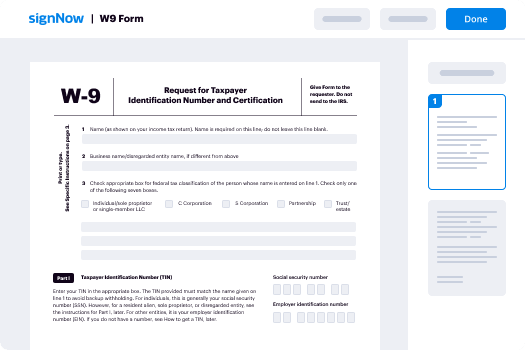
Save time on document management with airSlate SignNow and get your drafting and enforcing complex indemnification provisions form eSigned quickly from anywhere with our fully compliant eSignature tool.

How to Sign a PDF Online How to Sign a PDF Online

How to fill out and sign forms online

In the past, dealing with paperwork required pretty much time and effort. But with airSlate SignNow, document management is quick and easy. Our powerful and easy-to-use eSignature solution enables you to effortlessly complete and electronically sign your drafting and enforcing complex indemnification provisions form online from any internet-connected device.

Follow the step-by-step guide to eSign your drafting and enforcing complex indemnification provisions form template online:

  • 1.Sign up for a free trial with airSlate SignNow or log in to your account with password credentials or SSO authentication.
  • 2.Click Upload or Create and import a form for eSigning from your device, the cloud, or our form library.
  • 3.Click on the file name to open it in the editor and utilize the left-side toolbar to fill out all the blank areas properly.
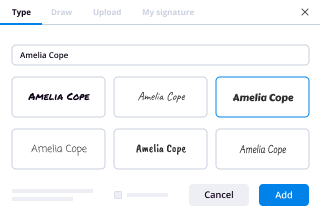
  • 4.Put the My Signature field where you need to approve your sample. Type your name, draw, or upload a photo of your handwritten signature.
  • 5.Click Save and Close to finish editing your completed document.

Once your drafting and enforcing complex indemnification provisions form template is ready, download it to your device, export it to the cloud, or invite other individuals to electronically sign it. With airSlate SignNow, the eSigning process only takes a few clicks. Use our powerful eSignature solution wherever you are to deal with your paperwork effectively!
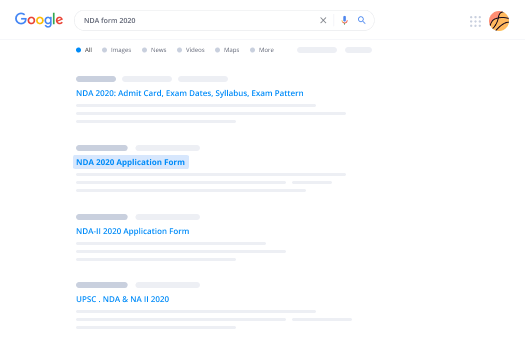

How to Sign a PDF Using Google Chrome How to Sign a PDF Using Google Chrome

How to complete and sign forms in Google Chrome

Completing and signing paperwork is easy with the airSlate SignNow extension for Google Chrome. Adding it to your browser is a fast and beneficial way to manage your forms online. Sign your drafting and enforcing complex indemnification provisions form template with a legally-binding eSignature in just a few clicks without switching between tools and tabs.

Follow the step-by-step guidelines to eSign your drafting and enforcing complex indemnification provisions form template in Google Chrome:

  • 1.Go to the Chrome Web Store, find the airSlate SignNow extension for Chrome, and install it to your browser.
  • 2.Right-click on the link to a document you need to eSign and select Open in airSlate SignNow.
  • 3.Log in to your account with your password or Google/Facebook sign-in buttons. If you don’t have one, sign up for a free trial.
  • 4.Use the Edit & Sign toolbar on the left to complete your template, then drag and drop the My Signature field.
  • 5.Upload an image of your handwritten signature, draw it, or simply type in your full name to eSign.
  • 6.Verify all the details are correct and click Save and Close to finish editing your paperwork.

Now, you can save your drafting and enforcing complex indemnification provisions form sample to your device or cloud storage, send the copy to other individuals, or invite them to electronically sign your form via an email request or a protected Signing Link. The airSlate SignNow extension for Google Chrome improves your document workflows with minimum time and effort. Start using airSlate SignNow today!
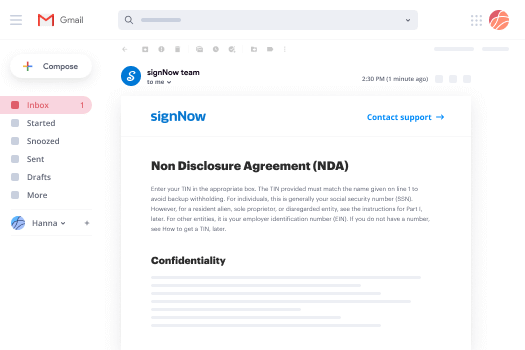
How to Sign a PDF in Gmail How to Sign a PDF in Gmail How to Sign a PDF in Gmail

How to complete and sign paperwork in Gmail

When you receive an email with the drafting and enforcing complex indemnification provisions form for approval, there’s no need to print and scan a file or download and re-upload it to another program. There’s a better solution if you use Gmail. Try the airSlate SignNow add-on to promptly eSign any documents right from your inbox.

Follow the step-by-step guidelines to eSign your drafting and enforcing complex indemnification provisions form in Gmail:

  • 1.Visit the Google Workplace Marketplace and find a airSlate SignNow add-on for Gmail.
  • 2.Set up the program with a related button and grant the tool access to your Google account.
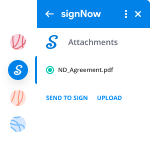
  • 3.Open an email with an attached file that needs approval and use the S key on the right sidebar to launch the add-on.
  • 4.Log in to your airSlate SignNow account. Choose Send to Sign to forward the file to other parties for approval or click Upload to open it in the editor.
  • 5.Drop the My Signature option where you need to eSign: type, draw, or import your signature.

This eSigning process saves time and only takes a couple of clicks. Take advantage of the airSlate SignNow add-on for Gmail to adjust your drafting and enforcing complex indemnification provisions form with fillable fields, sign paperwork legally, and invite other individuals to eSign them al without leaving your mailbox. Enhance your signature workflows now!
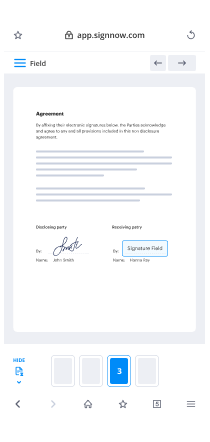
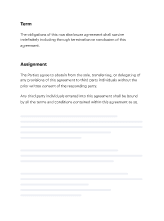
How to Sign a PDF on a Mobile Device How to Sign a PDF on a Mobile Device How to Sign a PDF on a Mobile Device

How to fill out and sign documents in a mobile browser

Need to rapidly fill out and sign your drafting and enforcing complex indemnification provisions form on a smartphone while doing your work on the go? airSlate SignNow can help without the need to set up extra software applications. Open our airSlate SignNow solution from any browser on your mobile device and create legally-binding eSignatures on the go, 24/7.

Follow the step-by-step guidelines to eSign your drafting and enforcing complex indemnification provisions form in a browser:

  • 1.Open any browser on your device and go to the www.signnow.com
  • 2.Sign up for an account with a free trial or log in with your password credentials or SSO authentication.
  • 3.Click Upload or Create and add a file that needs to be completed from a cloud, your device, or our form library with ready-to go templates.
  • 4.Open the form and complete the empty fields with tools from Edit & Sign menu on the left.
  • 5.Place the My Signature area to the sample, then type in your name, draw, or upload your signature.

In a few easy clicks, your drafting and enforcing complex indemnification provisions form is completed from wherever you are. Once you're done with editing, you can save the file on your device, create a reusable template for it, email it to other people, or ask them to eSign it. Make your paperwork on the go quick and productive with airSlate SignNow!
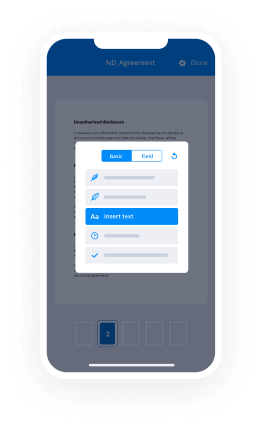

How to Sign a PDF on iPhone How to Sign a PDF on iPhone

How to fill out and sign paperwork on iOS

In today’s corporate environment, tasks must be completed quickly even when you’re away from your computer. With the airSlate SignNow application, you can organize your paperwork and approve your drafting and enforcing complex indemnification provisions form with a legally-binding eSignature right on your iPhone or iPad. Set it up on your device to conclude agreements and manage forms from just about anywhere 24/7.

Follow the step-by-step guide to eSign your drafting and enforcing complex indemnification provisions form on iOS devices:

  • 1.Open the App Store, find the airSlate SignNow app by airSlate, and install it on your device.
  • 2.Launch the application, tap Create to import a template, and choose Myself.
  • 3.Choose Signature at the bottom toolbar and simply draw your signature with a finger or stylus to eSign the form.
  • 4.Tap Done -> Save right after signing the sample.
  • 5.Tap Save or use the Make Template option to re-use this paperwork in the future.

This method is so easy your drafting and enforcing complex indemnification provisions form is completed and signed in just a couple of taps. The airSlate SignNow application works in the cloud so all the forms on your mobile device are kept in your account and are available any time you need them. Use airSlate SignNow for iOS to boost your document management and eSignature workflows!
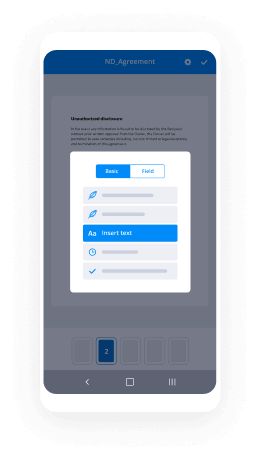
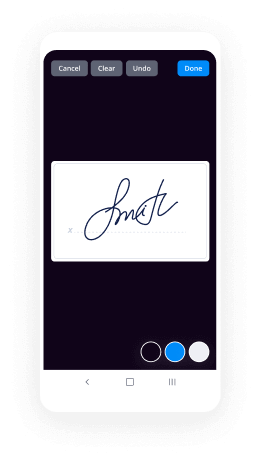
How to Sign a PDF on Android How to Sign a PDF on Android

How to complete and sign paperwork on Android

With airSlate SignNow, it’s simple to sign your drafting and enforcing complex indemnification provisions form on the go. Set up its mobile application for Android OS on your device and start enhancing eSignature workflows right on your smartphone or tablet.

Follow the step-by-step guide to eSign your drafting and enforcing complex indemnification provisions form on Android:

  • 1.Go to Google Play, search for the airSlate SignNow app from airSlate, and install it on your device.
  • 2.Sign in to your account or create it with a free trial, then add a file with a ➕ option on the bottom of you screen.
  • 3.Tap on the imported file and select Open in Editor from the dropdown menu.
  • 4.Tap on Tools tab -> Signature, then draw or type your name to electronically sign the sample. Complete blank fields with other tools on the bottom if required.
  • 5.Utilize the ✔ key, then tap on the Save option to end up with editing.

With a user-friendly interface and full compliance with major eSignature requirements, the airSlate SignNow app is the best tool for signing your drafting and enforcing complex indemnification provisions form. It even operates offline and updates all record modifications when your internet connection is restored and the tool is synced. Complete and eSign forms, send them for eSigning, and generate re-usable templates whenever you need and from anywhere with airSlate SignNow.

Sign up and try Drafting and enforcing complex indemnification provisions form
  • Close deals faster
  • Improve productivity
  • Delight customers
  • Increase revenue
  • Save time & money
  • Reduce payment cycles