Establishing secure connection…Loading editor…Preparing document…

Employment Statement

This template is fully customizable. Edit the text, fill out the fields, and send it for signature. Give it a try!
Employment Statement

What an Employment Statement Is and When it’s Used

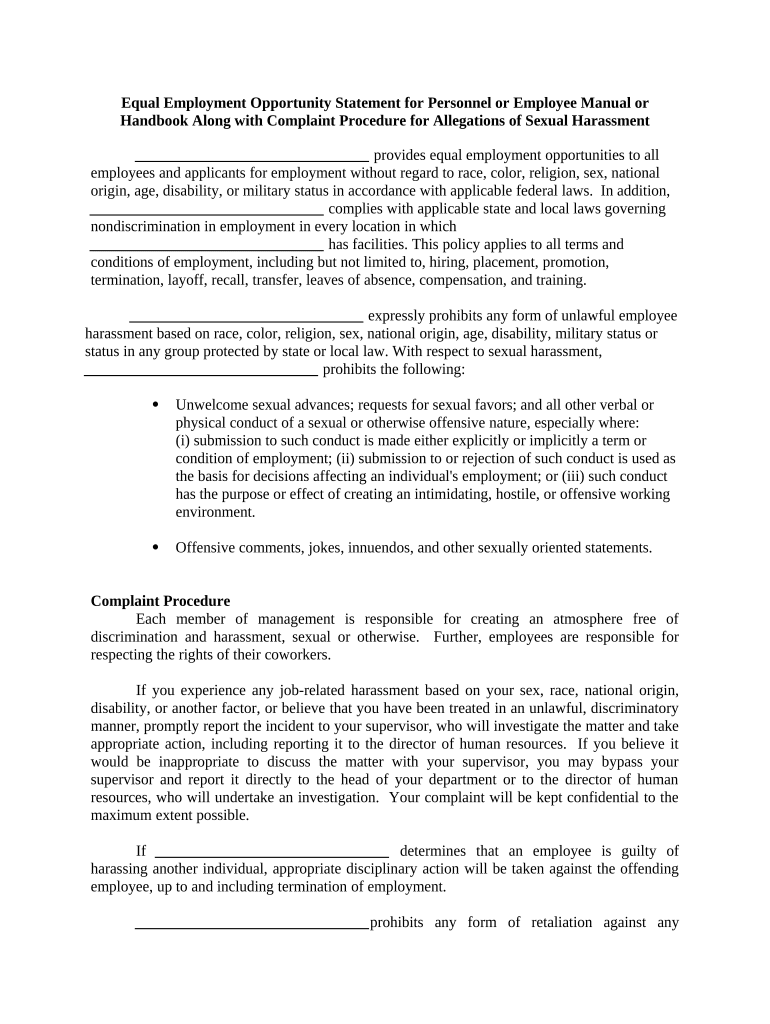
An Employment Statement is a written confirmation from an employer that verifies an individual's job title, employment dates, compensation or salary range, and employment status for a specified purpose. Common recipients include lenders, landlords, government agencies, and immigration or background-check providers. The document can be a brief letterhead statement, a standardized form, or a signed affidavit; when sent electronically it falls under ESIGN (15 U.S.C. ch. 96) and state e-signature law (UETA or state equivalents), provided the signature and record retention requirements are met.

Why an Employment Statement Matters for Verification

Employment Statements provide authoritative verification that supports credit decisions, tenancy, immigration filings, benefit eligibility, and third-party audits while reducing manual clarification and processing time.

Why an Employment Statement Matters for Verification

Who Prepares and Who Requests Employment Statements

Employers and HR teams typically prepare employment statements on letterhead or using a standard form when requested by an employee or third party.

  • Employers and HR departments: Provide official verification of hire date, role, and salary for third-party requests.
  • Third-party verifiers: Lenders, landlords, and background-screening firms request authenticated confirmation of employment details.
  • Employees and representatives: Ask employers for an employment statement to support immigration, benefits, or housing applications.

The document should be handled consistently, with controlled distribution and a retained copy in personnel records for compliance and audit purposes.

Core Elements to Include in an Employment Statement

A clear, professional Employment Statement contains a defined set of fields and signatory details so recipients can rely on the information without further follow-up.

Employer Identification

Company name, official address, and authorized department contact so the recipient can verify source and reach out for questions.
Employee Identity

Full legal name, employee ID or last four of SSN if requested, and job title exactly as recorded in HR files to avoid ambiguity.

Employment Dates

Start date and end date (if applicable) in MM/DD/YYYY format; include 'current' language for active employees to clarify status.

Compensation Details

Salary, hourly wage, or pay range and pay frequency. Note whether amounts are gross and whether bonuses or allowances are included.

Purpose Statement

Brief sentence describing why the verification is issued (e.g., mortgage application, tenancy, background check). Limit scope to requested purpose.

Authorized Signature

Printed name, title, signature, and date from an authorized HR representative or manager with contact details for follow-up.

Security and Compliance Elements to Protect the Record

Encryption: TLS 1.2/1.3 in transit; AES-256 at rest
Audit Trail: Timestamps, IP addresses, and signer actions logged
Identity Proofing: Email, SMS code, or stronger authentication options
Retention Controls: Configurable retention and export for audit purposes
HIPAA Considerations: BAA required if health data included
Access Controls: Role-based permissions and document-level restrictions

Step-by-Step: Preparing an Employment Statement

Follow these steps to create a clear, compliant Employment Statement that third parties can rely on.

  • 01
    Collect facts: Confirm employee name, dates, title, and pay from HR records.
  • 02
    Draft the statement: Use concise language and state the verification purpose plainly.
  • 03
    Authorize signatory: Obtain signature from an authorized HR representative.
  • 04
    Deliver and retain: Send securely and keep a retained copy in personnel files.

How to Configure an Online Workflow for Employment Statements

Set up a repeatable electronic workflow to ensure consistent verification processes and secure delivery.

Authentication method Email link or SMS code for standard requests; use stronger KBA or 2FA for sensitive cases.
Template locking Lock required fields to prevent accidental edits by signers.
Conditional fields Show salary fields only for authorized request types.
Notification settings Configure email notifications for sender and recipient on completion.
Retention policy Set automatic archival and export options for HR recordkeeping.

Typical Routing: Where Employment Statements Are Sent

Employment Statements are routed to intended verifiers and retained by HR; choose secure channels appropriate to the request.

  • Direct to Requester: Send the signed statement directly to the lender or landlord via secure email or portal.
  • Central HR Archive: Store a signed copy in the employee’s personnel file for compliance.
  • Third-Party Verifier: Deliver to screening vendors under data-sharing agreements when applicable.
  • Employee Copy: Provide the employee with the signed version for their records.

Digital Delivery and Platform Requirements

Choose a platform that supports secure e-signatures, audit trails, and common integrations to reduce manual handling.

  • Formats supported: PDF and DOCX for standard legal records
  • Integrations: Connectors for HRIS and document storage such as Salesforce and Google Workspace
  • Authentication: Email, SMS, and optional advanced signer verification

Use a platform that records signer identity and timestamps and that can export an audit trail for later verification or dispute resolution.

Timelines: Typical Response and Recordkeeping Expectations

Expect standard timelines for preparation, delivery, and legal retention when issuing an Employment Statement.

Typical response time:

3–5 business days for routine verification requests from HR

Immediate electronic delivery:

Signed copy can be delivered instantly via secure link or attachment

I-9 retention rule:

Retain Form I-9 three years after hire or one year after termination (8 CFR §274a.2)

Employee file retention:

Keep verification record for at least three years; industry rules may require longer

Correction turnaround:

Provide corrected statements promptly; aim for same business-week correction

Common Preparation Pitfalls to Avoid

  • Using informal or inconsistent language that fails to state purpose and scope, leading to third-party rejection.
  • Providing unsigned or undated statements that lack a verifiable signature and audit trail, reducing evidentiary value.
  • Including excessive personal data (full SSN) without lawful basis, which raises privacy and data-minimization concerns.
  • Not retaining a copy in HR records, which impedes audits and makes it hard to respond to disputes.

Legal and Administrative Risks of Incorrect Statements

I-9 violation: $281–$2,789 per violation
Perjury exposure: False statements may trigger civil or criminal consequences
Privacy breaches: Unauthorized disclosure can breach HIPAA/CCPA obligations
Liability to third parties: Reliance on incorrect data can lead to contractual claims
Tax withholding issues: Incorrect pay reporting may affect withholding obligations
Recordkeeping fines: Failure to retain can hinder defense against audits

Real-World Examples of Employment Statements in Use

Below are two illustrative examples showing practical uses and benefits of a signed Employment Statement.

Martin Properties (tenant screening)

Martin Properties streamlined tenant screening with an Employment Statement template and e-signature.

  • The result reduced manual follow-ups.
  • The company processes verifications faster while retaining signed copies and an audit trail for future disputes, improving occupancy onboarding efficiency.

Fertility Centers of Illinois (patient employment verification)

A healthcare provider used an Employment Statement to confirm staff status for credentialing.

  • The process required HIPAA safeguards.
  • They paired the statement with a BAA-compliant e-sign workflow to protect PHI and to ensure the verification met regulatory and institutional requirements.

Frequently Asked Questions About Employment Statements

Answers to common procedural and legal questions when preparing or accepting Employment Statements.


Need help? Contact support

eSignature Pricing and Feature Comparison for Employment Verifications

Comparison of representative vendor pricing and high-level capabilities relevant to employment statement workflows; signNow appears first in the comparison.

signNow DocuSign Adobe Sign PandaDoc HelloSign
Starting Price $8/user/mo $15/user/mo $14/user/mo $19/user/mo $15/user/mo
Free Trial 7-day free trial Varies by plan Varies by plan Varies by plan Varies by plan
Bulk Send Yes Yes Yes Yes No
Audit Trail Yes Yes Yes Yes Yes
HIPAA Compliant Yes Yes Yes No No
be ready to get more
Join over 28 million airSlate SignNow users