Establishing secure connection…Loading editor…Preparing document…

Sample Letter Agreement

This template is fully customizable. Edit the text, fill out the fields, and send it for signature. Give it a try!
Sample Letter Agreement

What a Sample Letter Agreement Is and When You’d Use It

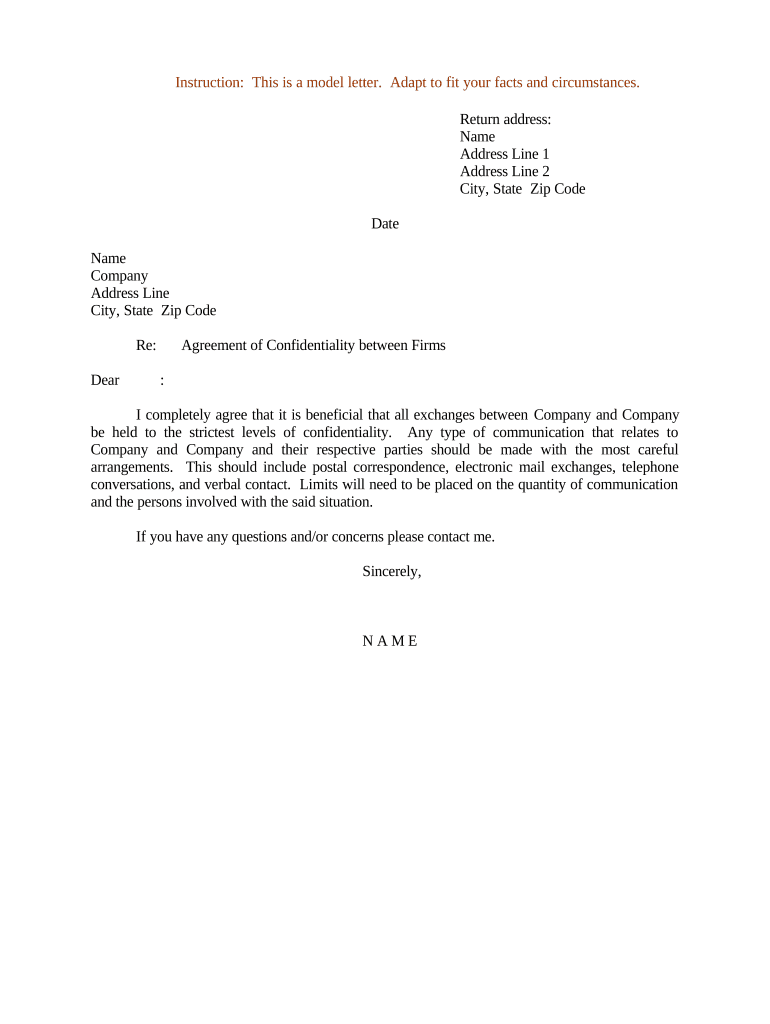
A Sample Letter Agreement is a concise written contract that records binding terms between two or more parties when a full formal contract is unnecessary or will follow. Typical uses include confirmation of negotiated terms, interim commitments, scope clarifications, settlement acknowledgements, and short-term vendor or consultant engagements. It sets obligations, performance dates, payment or consideration, and termination or amendment processes in plain language so parties can rely on written evidence without extensive drafting. When executed correctly it can create enforceable rights and obligations under applicable state or federal law.

Why a Clear Sample Letter Agreement Matters

A well-drafted sample letter agreement reduces ambiguity, documents agreed terms quickly, and provides a simple enforceable record. It helps limit disputes by specifying who does what, payment terms, timing, and governing law in one accessible page.

Why a Clear Sample Letter Agreement Matters

Who Commonly Prepares or Signs a Sample Letter Agreement

These agreements are practical when parties want an enforceable, low-friction record without the time and cost of a full formal contract.

  • Small business owners confirming short-term engagements or delivery expectations.
  • In-house legal teams finalizing interim terms pending a full contract.
  • Consultants or freelancers documenting scope, rate, and delivery schedule.

Typical Signers and Their Roles

Signing Officer

A company officer or authorized representative signs to bind the organization. Confirm written authority (board resolution or delegated authority) before signing to avoid unenforceability risks and ensure internal approvals are in place.

Legal Counsel

A counsel or contract manager often reviews and approves wording to align the letter with broader contractual obligations, limiting unintended warranties or admissions and ensuring the governing law clause is appropriate.

Core Components to Include in a Professional Letter Agreement

Include concise, unambiguous clauses that establish parties, scope, timing, consideration, signatures, and governing law to create an enforceable record.

Parties

Identify each party by full legal name and entity type so the agreement is attributable and enforceable against the correct legal entities.
Scope

Describe services, deliverables, or obligations clearly and narrowly to avoid later disputes about intended work or outcomes.

Consideration

State the payment amount, schedule, or other consideration. Vague promises risk unenforceability in some jurisdictions.

Effective Date

Specify the effective date and whether obligations run from signature, delivery, or another trigger to avoid timing disputes.

Termination

Outline how the agreement ends, notice periods, and remedies for breach or nonperformance to set expectations.

Governing Law

Select a governing state law for interpretation and dispute resolution to reduce forum uncertainty.

Essential Fields to Capture

Full Legal Names: Use official entity names
Addresses: Include street, city, state, ZIP
Effective Date: MM/DD/YYYY format
Consideration: Amount or description
Signature Block: Printed name and title
Governing State: Specify state law

Consequences of Inaccurate or Missing Information

Unenforceable Terms: Ambiguity may void obligations
Tax Liability: Incorrect reporting risks penalties
Payment Disputes: Vague consideration causes collection issues
Authority Risk: Unauthorized signers may nullify agreement
Missed Deadlines: Failure to specify dates harms remedies
Privacy Exposure: Noncompliant data handling breaches rules

Common Preparation Errors to Avoid

  • Leaving the effective date blank or conflicting with the signature dates creates uncertainty about when obligations start.
  • Using informal or abbreviated entity names can make the agreement hard to enforce against the correct party in court.
  • Failing to state consideration precisely may lead a court to find lack of consideration and render the agreement void.
  • Omitting a governing law clause or venue provision increases litigation costs when disputes arise and parties disagree on jurisdiction.

Step-by-Step: Fill, Review, and Sign the Letter Agreement

Follow these sequential steps to prepare and execute the sample letter agreement accurately and with minimal delay.

  • 01
    Prepare Draft: Enter parties, scope, dates, and payment terms.
  • 02
    Internal Review: Have legal or finance confirm key clauses.
  • 03
    Signatures: Collect authorized signatures and dates.
  • 04
    Distribute Copies: Send executed copies to all parties and retain one.

Configuring a Digital Signing Workflow

Set up fields and authentication so signers see only required inputs, and so audit information is captured for compliance.

Field Configuration
Signature Placement Place signature and date fields for each signer in order
Required Fields Mark name, date, and consideration fields as mandatory
Conditional Fields Use conditional visibility for optional clauses when needed
Authentication Select email link, SMS code, or KBA depending on risk

Best Platforms and Distribution Options

Verify platform security and compliance for your industry before routing agreements and ensure recipients can access and save signed copies.

  • Cloud Storage: PDF, DOCX support with integrations
  • Authentication: Email, SMS, or stronger methods available
  • Integrations: Connects to CRM and document systems

Typical Electronic Signing Flow

This brief sequence outlines how an agreement is sent, signed, and recorded when using an eSignature workflow.

  • Upload Document: Sender imports the letter agreement file
  • Add Fields: Place signature, date, and required fields
  • Invite Signers: Send email links or generate signing URLs
  • Complete Signing: System captures timestamps and audit trail

Key Timing Considerations and Deadlines

Identify critical dates in the letter agreement and track obligations so performance and notice windows are met without dispute.

Effective Date:

Date obligations commence as specified

Signature Deadline:

When parties must return signed copies

Performance Start:

When deliverables or services begin

Notice Windows:

Timeframes for cure, termination, or dispute notice

Retention Reminder:

Keep executed copy for the applicable retention period

Comparing eSignature Vendors for Executing Sample Letter Agreements

Vendor feature and price comparisons can help decide which eSignature provider meets your security, compliance, and volume needs.

signNow DocuSign Adobe Sign PandaDoc HelloSign
Starting Price $8/user/mo $15/user/mo $14/user/mo $19/user/mo $15/user/mo
Free Trial 7-day free trial Varies Varies Varies Varies
Bulk Send Yes Yes Yes Yes No
Audit Trail Yes Yes Yes Yes Yes
HIPAA Compliant Yes Yes Yes No No

Frequently Asked Questions About Sample Letter Agreements

Answers to common practical and legal questions about preparing, signing, and maintaining a sample letter agreement.


Need help? Contact support

be ready to get more
Join over 28 million airSlate SignNow users