Experience the Benefits of Full Life Cycle Sales for Procurement
airSlate SignNow regularly wins awards for ease of use and setup




See airSlate SignNow eSignatures in action
Our user reviews speak for themselves











Why choose airSlate SignNow
-
Free 7-day trial. Choose the plan you need and try it risk-free.
-
Honest pricing for full-featured plans. airSlate SignNow offers subscription plans with no overages or hidden fees at renewal.
-
Enterprise-grade security. airSlate SignNow helps you comply with global security standards.
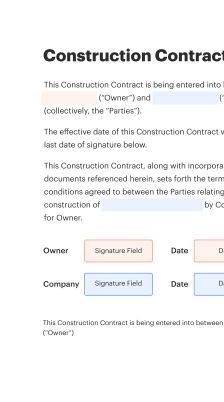
Full life cycle sales for Procurement
Full life cycle sales for Procurement How-To Guide:
By following these simple steps, you can take full advantage of airSlate SignNow's features and benefits. From streamlining your Procurement process to ensuring secure eSignatures, airSlate SignNow has you covered every step of the way.
Experience the ease and convenience of airSlate SignNow today. Sign up for a free trial and see how airSlate SignNow can help improve your Procurement process.
airSlate SignNow features that users love





Get legally-binding signatures now!
FAQs online signature
-
What is a full cycle sales process?
The 7 steps of a sales cycle are: prospecting, making contact, qualifying your prospects, nurturing your prospect, presenting your offer, overcoming objections, and finally closing the sale.
-
What is the full procurement life cycle?
The procurement life cycle encompasses all the steps involved in obtaining goods and services, from defining your business needs to soliciting bids, awarding contracts and managing supplier relationships. At many companies this is a dynamic, continuous cycle.
-
What are the 7 stages of negotiation in procurement?
Stage 1: Preparation. Preparation is your friend in procurement negotiations. ... Stage 2: Opening. Since you've done your prep and procurement planning work, there shouldn't be any big surprises during the opening stage. ... Stage 3: Testing. ... Stage 4: Proposing. ... Stage 5: Bargaining. ... Stage 6: Agreement. ... Stage 7: Closure.
-
What are the stages of procurement?
We'll cover the seven foundational stages that are typically employed in the procurement process. Identify the need. Create and submit a purchase request. Evaluate and select suppliers/vendors. Negotiate the terms. Finalize the contract. Implement the сontract. Manage the supplier.
-
What are the 7 steps of the purchasing process?
Steps in the purchasing process Identify the need. ... Specify the requirement. ... Find and choose a supplier. ... Negotiate costs. ... Get order approval. ... Place the order. ... Receive and approve the order. ... Review supplier performance.
-
What are the 7 stages of the procurement cycle?
Overview: Seven Stages of Procurement Stage One: Need Identification. Stage Two: Pre- Solicitation. Stage Three: Solicitation Preparation. Stage Four: Solicitation Process. Stage Five: Evaluation Process. Stage Six: Award Process. Stage Seven: Contract Process. All Seven Stages.
-
What are the 7 steps of procurement process pdf?
7 STEPS OF AN EFFECTIVE PROCUREMENT PROCESS STEP 1: IDENTIFY THE REQUIREMENT FOR GOODS AND SERVICES. ... STEP 2: IDENTIFY AND EVALUATE A LIST OF SUPPLIERS. ... STEP 3: NEGOTIATE THE CONTRACTS WITH THE SELECTED. ... STEP 4: RAISE A PURCHASE REQUISITION AND RELEASE THE. ... STEP 5: COMPLETE THE PAYMENT PROCESS UPON RECEIVING.
-
What are the 5 stages of the procurement cycle?
5 primary phases of the procurement cycle Phase 1: Defining needs. Phase 2: Supplier selection. Phase 3: Order management. Phase 4: Purchase evaluation. Phase 5: Supplier management.
Trusted e-signature solution — what our customers are saying


How to create outlook signature
when it comes to hiring new recruits there are many options for your organization to consider one possible option full cycle recruiting may be the perfect recruitment process for your company full cycle recruiting is a comprehensive recruitment process with a recruiter involved in every phase there are six stages involved in the fcr process preparing sourcing screening selecting hiring and onboarding preparing in the first stage the recruiter collects all necessary information from the company for the hiring process then the recruiter along with an internal team writes a job description sourcing once the job has been posted candidate sourcing begins throughout this process the recruiter keeps the hiring manager informed of any updates screening the main point of the screening phase is for the recruiter to choose a small selection of candidates that closely align with the company's goals for this hire selecting here screen candidates become more involved by taking part in interviews and assessments the recruiter again keeps the hiring manager involved and updated throughout hiring once the recruiter has gotten the green light from background checks and approval from the company's hiring manager they then decide who they will offer the job to onboarding once the offer is accepted and paperwork and introductory meetings are completed fcr is complete and the company then comes back into the picture and takes over the full cycle recruitment process can be extremely beneficial for your organization consider this process if you and your team are serious about getting high quality hires in the most effective and efficient way
Show more