What is the generate electronic signature
An electronic signature, often referred to as an eSignature, is a digital representation of a person's intent to agree to the contents of a document. It serves the same purpose as a handwritten signature but is created and stored electronically. This method of signing documents is widely recognized in the United States and is governed by laws such as the Electronic Signatures in Global and National Commerce Act (ESIGN) and the Uniform Electronic Transactions Act (UETA). These laws ensure that eSignatures hold the same legal weight as traditional signatures, making them a secure and efficient option for businesses and individuals alike.
How to use the generate electronic signature
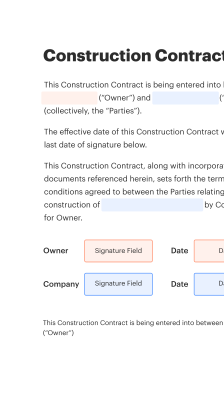
Using an electronic signature with airSlate SignNow is straightforward and user-friendly. To begin, users can upload the document they wish to sign or send for signature. Once the document is uploaded, users can fill out any necessary fields, such as names, dates, or checkboxes. After completing the document, they can add their electronic signature using airSlate SignNow's signature generator, which allows for customization in style and appearance. Once the signature is applied, the document can be sent to other parties for their signatures or securely stored for future reference.
Steps to complete the generate electronic signature
To complete an electronic signature using airSlate SignNow, follow these simple steps:
- Log in to your airSlate SignNow account or create a new account if you do not have one.
- Upload the document you need to sign by clicking on the upload button.
- Fill in any required fields within the document, such as names or dates.
- Access the signature generator to create your electronic signature. You can draw, type, or upload an image of your signature.
- Place your signature in the appropriate location within the document.
- Review the document to ensure all information is correct.
- Send the document for signature to other parties, or save it securely in your account.
Legal use of the generate electronic signature
In the United States, electronic signatures are legally binding and recognized under federal and state laws. The ESIGN Act and UETA provide the framework for the use of eSignatures in various transactions, ensuring that they are valid and enforceable. It is important for users to understand that the intent to sign must be clear and that consent to use electronic signatures should be obtained from all parties involved. Additionally, certain documents, such as wills or court documents, may have specific regulations governing their use, so it's essential to verify compliance with applicable laws.
Security & Compliance Guidelines
When using electronic signatures, security and compliance are paramount. airSlate SignNow employs advanced encryption methods to protect data during transmission and storage. Users should ensure that they follow best practices, such as using strong passwords and enabling two-factor authentication for their accounts. Compliance with legal standards is also crucial; users must maintain records of consent and the signing process to demonstrate the authenticity of the eSignature. Regular audits and updates to security protocols can help mitigate risks and ensure ongoing compliance with relevant regulations.
Documents You Can Sign
airSlate SignNow supports a wide range of documents that can be signed electronically, including:
- Contracts and agreements
- Non-disclosure agreements (NDAs)
- Employment contracts
- Lease agreements
- Invoices and purchase orders
- Tax forms and financial documents
This versatility allows businesses and individuals to streamline their workflows and reduce reliance on paper-based processes.