Try Seamless eSignatures: microsoft office e signature





Take full advantage of your eSignatures with airSlate SignNow
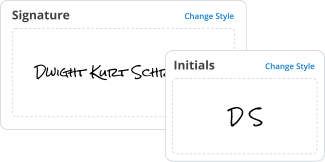
Boost work with documents
Create electronic signatures and submit records in minutes saving hours. Our eSignatures have the same legal pressure as wet-ink ones.

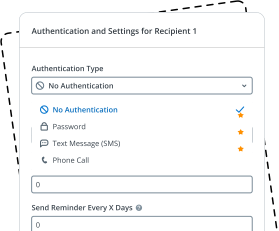
Revise forms securely
Make use of the Microsoft office e signature functionality and alter your documents without any concerns about the protection of your information. With the security features in airSlate SignNow, only you can get the data kept in your profile.
Share templates
Revise existing forms and save alterations, and airSlate SignNow will immediately notify your whole crew that there are updated templates. Don’t waste the time you would devote giving your colleagues new samples.

Use Microsoft office e signature
Place fillable areas, create or collect electronic signatures, request attachments and payments, and discover different ways to enhance your workflows. airSlate SignNow is here to assist you
We spread the word about digital transformation
signNow empowers users across every industry to embrace seamless and error-free eSignature workflows for better business outcomes.






Free 7-day trial. Choose the plan you need and try it risk-free.

Honest pricing for full-featured plans. airSlate SignNow offers subscription plans with no overages or hidden fees at renewal.

Enterprise-grade security. airSlate SignNow helps you comply with global security standards.
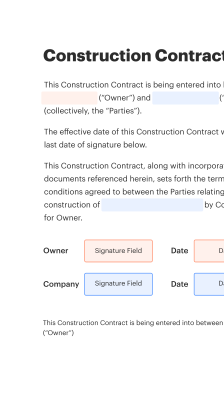

Place electronic signatures and send records in moments instead of hours. Our eSignatures have the identical legal power as wet-ink ones.

Take advantage of the signature tips function and improve your files without any concerns about the safety of your information.

Modify existing forms and save changes, and airSlate SignNow will immediately inform your entire crew that there are updated templates.

Place fillable areas, create or collect electronic signatures, get supplementary documents and payments, and discover different ways to boost your workflows.

Use airSlate SignNow API, the easiest way to create and collect eSignatures. Do so within your CRM systems, on your website, or even in specific apps.

Generate a public link for your template and collect signatures while not having to directly send your document to specific consumer email addresses.
Quick-start guide on how to use microsoft office e signature feature
Is your organization ready to eliminate inefficiencies by three-quarters or even more? With airSlate SignNow eSignature, weeks of contract negotiation become days, and hours of signature collection turn into a few minutes. You won't need to learn everything from scratch due to the intuitive interface and easy-to-follow guides.
Complete the following steps listed below to use the microsoft office e signature functionality in a matter of minutes:
- Open your web browser and access signnow.com.
- Sign up for a free trial or log in utilizing your electronic mail or Google/Facebook credentials.
- Click User Avatar -> My Account at the top-right corner of the webpage.
- Modify your User Profile by adding personal information and adjusting configurations.
- Design and manage your Default Signature(s).
- Get back to the dashboard webpage.
- Hover over the Upload and Create button and select the appropriate option.
- Click the Prepare and Send option next to the document's title.
- Type the name and email address of all signers in the pop-up window that opens.
- Make use of the Start adding fields menu to proceed to modify file and self sign them.
- Click SAVE AND INVITE when accomplished.
- Continue to customize your eSignature workflow employing advanced features.
It couldn't get any easier to use the microsoft office e signature feature. It's available on your mobile devices as well. Install the airSlate SignNow app for iOS or Android and manage your customized eSignature workflows even while on the move. Skip printing and scanning, labor-intensive filing, and expensive papers shipping.
How it works


Electronic Signature Legality
What is the microsoft office e signature
The Microsoft Office eSignature is a digital tool that allows users to sign documents electronically within the Microsoft Office suite. This feature streamlines the signing process, enabling users to complete and authenticate documents without the need for physical signatures. By leveraging secure electronic signatures, businesses can enhance efficiency, reduce turnaround times, and ensure compliance with legal standards. The eSignature integrates seamlessly with various Microsoft applications, making it a convenient option for users who frequently work with documents in Word, Excel, and other Office programs.
How to use the microsoft office e signature
Using the Microsoft Office eSignature involves a straightforward process designed to facilitate easy document signing. Users can start by opening the document they wish to sign in an Office application. Once the document is ready, they can navigate to the eSignature feature, typically found in the toolbar or under the 'Insert' menu. Users can then select the option to add their signature, which may involve drawing, typing, or uploading an image of their signature. After placing the signature, users can save the document, ensuring that the eSignature is securely embedded within the file.
Steps to complete the microsoft office e signature
Completing the Microsoft Office eSignature involves several key steps:
- Open the document in a Microsoft Office application.
- Locate the eSignature feature in the toolbar or menu.
- Select the option to add a signature.
- Choose your preferred method to create the signature (draw, type, or upload).
- Position the signature appropriately within the document.
- Save the document to ensure the signature is included.
By following these steps, users can efficiently sign their documents electronically, enhancing workflow and reducing the need for physical paperwork.
Legal use of the microsoft office e signature
The legal use of the Microsoft Office eSignature is supported by various laws and regulations, including the Electronic Signatures in Global and National Commerce (ESIGN) Act and the Uniform Electronic Transactions Act (UETA). These laws establish the validity of electronic signatures, ensuring they hold the same legal weight as traditional handwritten signatures. Users should be aware of specific requirements, such as consent and intent to sign, to ensure that their electronic signatures are legally binding. It is advisable to maintain records of signed documents to provide evidence of the signing process if needed.
Security & Compliance Guidelines
When using the Microsoft Office eSignature, it is essential to adhere to security and compliance guidelines to protect sensitive information. Users should ensure that documents are shared securely, utilizing encryption and secure storage solutions. Additionally, implementing multi-factor authentication can enhance security by providing an extra layer of protection during the signing process. Regularly updating software and monitoring access to signed documents also contribute to maintaining compliance with legal standards and safeguarding against unauthorized access.
Documents You Can Sign
The Microsoft Office eSignature can be used to sign a variety of document types, including:
- Contracts and agreements
- Invoices and billing statements
- Forms and applications
- HR documents, such as employment contracts
- Legal documents, including NDAs
This versatility makes the eSignature a valuable tool for individuals and businesses looking to streamline their document management processes.
Sending & Signing Methods (Web / Mobile / App)
Users can send and sign documents using the Microsoft Office eSignature through various methods, including web browsers, mobile devices, and dedicated applications. On the web, users can access their Office documents through platforms like OneDrive or SharePoint, allowing for easy collaboration and signing. Mobile applications provide the flexibility to sign documents on the go, ensuring that users can complete important tasks from their smartphones or tablets. The integration of eSignature features within Office apps enhances accessibility and convenience for all users.
 Best ROI. Our customers achieve an average 7x ROI within the first six months.
 Scales with your use cases. From SMBs to mid-market, airSlate SignNow delivers results for businesses of all sizes.
 Intuitive UI and API. Sign and send documents from your apps in minutes.
FAQs
Here is a list of the most common customer questions. If you can't find an answer to your question, please don't hesitate to reach out to us.
What is a Microsoft Office e signature and how does it work?
A Microsoft Office e signature is a digital signature that allows users to sign documents electronically within Microsoft Office applications. It streamlines the signing process by enabling users to add their signature directly to documents without printing or scanning. This feature enhances efficiency and ensures that documents are signed securely and legally.
How can airSlate SignNow integrate with Microsoft Office for e signatures?
airSlate SignNow seamlessly integrates with Microsoft Office, allowing users to send documents for e signatures directly from applications like Word and Excel. This integration simplifies the workflow, enabling users to manage their documents and signatures in one place. With airSlate SignNow, you can enhance your Microsoft Office experience with powerful e signature capabilities.
What are the pricing options for using Microsoft Office e signature with airSlate SignNow?
airSlate SignNow offers flexible pricing plans that cater to different business needs, including options for individuals and teams. The pricing is competitive and designed to provide value for the features offered, including Microsoft Office e signature capabilities. You can choose a plan that fits your budget while enjoying the benefits of efficient document signing.
What features does airSlate SignNow offer for Microsoft Office e signatures?
airSlate SignNow provides a range of features for Microsoft Office e signatures, including customizable templates, automated workflows, and real-time tracking of document status. These features enhance the signing experience and ensure that users can manage their documents effectively. Additionally, the platform supports various file formats, making it versatile for different business needs.
What are the benefits of using airSlate SignNow for Microsoft Office e signatures?
Using airSlate SignNow for Microsoft Office e signatures offers numerous benefits, including increased efficiency, reduced turnaround time, and enhanced security. It eliminates the need for paper documents, contributing to a more sustainable business practice. Furthermore, the ease of use ensures that users can quickly adopt the solution without extensive training.
Is airSlate SignNow compliant with e signature laws for Microsoft Office?
Yes, airSlate SignNow is compliant with major e signature laws, including the ESIGN Act and UETA, ensuring that Microsoft Office e signatures are legally binding. This compliance provides peace of mind for businesses that require secure and valid signatures on their documents. You can trust that your signed documents will hold up in legal situations.
Can I use airSlate SignNow for mobile e signatures with Microsoft Office?
Absolutely! airSlate SignNow supports mobile e signatures, allowing users to sign documents on-the-go using their smartphones or tablets. This feature is particularly beneficial for those who frequently work outside the office or need to sign documents quickly. The integration with Microsoft Office ensures that you can manage your documents from anywhere.




airSlate SignNow is committed to protecting your sensitive information by complying with global industry-specific.

airSlate SignNow features for microsoft office e signature
Enjoy the freedom of completing and signing paperwork electronically from any internet-connected device.


How to complete and sign paperwork online
Finding advanced microsoft office e signature features can be challenging unless you have a airSlate SignNow account. Our tool with an intuitive interface empowers you with the possibility to quickly fill out and eSign any form via any device.
Follow the step-by-step guidelines to use the microsoft office e signature functionality:
- Log in to the system or create an account with airSlate SignNow.
- Click Upload or Create to import a sample from your device, the cloud, or our form library.
- Open the sample and use the tools from Fill Out Myself left sidebar to fill in the blanks.
- Place My Signature to eSign the doc by typing, drawing, or inserting an image of your signature.
- Add extra fillable areas with assigned Roles for other people to complete.
- Click Save and Close or utilize the Invite to Sign button to request signatures from other parties.
When finished editing and using the microsoft office e signature functionality, you can download your document, export it to your cloud storage, or quickly transform it into a reusable template. Save time and manage your paperwork online with airSlate SignNow, wherever you are and whenever you need it!
Discover powerful features with airSlate SignNow
This guide will outline the benefits of digital signatures and will walk you through the various options and the specific steps for digitally signing a ...
Mar 1, 2012 — ... Microsoft (MS) Office. XP/2000, Office 2003, and Office 2007 versions (all require MS Access, the Office database application, as well as MS ...
You can use it to finalize documents in Microsoft Word and Excel, preventing others from making unauthorized changes.
