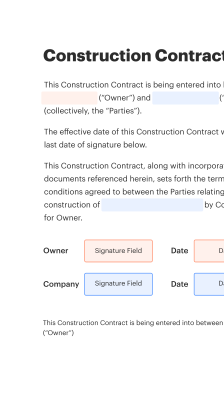
What is the sign application electronically
The sign application electronically refers to a digital process that allows individuals and businesses to complete, sign, and manage application forms online. This method streamlines the submission of documents, making it more efficient than traditional paper-based approaches. By utilizing electronic signatures, users can ensure that their applications are legally binding and securely processed. This approach is particularly beneficial in scenarios such as applying for loans, where timely submissions are crucial.
Steps to complete the sign application electronically
Completing a sign application electronically involves several straightforward steps:
- Access the application: Open the digital application form through a secure link or platform.
- Fill out the form: Enter all required information accurately in the designated fields. Ensure that all necessary details are provided to avoid delays.
- Review your information: Double-check the completed sections for accuracy and completeness before proceeding.
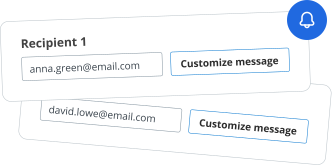
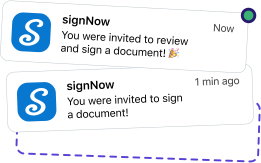
- Request signatures: Use the eSignature feature to send the application for signature to relevant parties. This can be done directly from the platform.
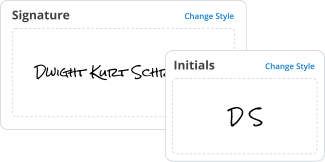
- Sign the application: Follow the prompts to add your electronic signature, confirming your agreement to the terms outlined in the document.
- Submit the application: Once all signatures are obtained, submit the application electronically for processing.
Legal use of the sign application electronically
In the United States, electronic signatures are legally recognized under the Electronic Signatures in Global and National Commerce (ESIGN) Act and the Uniform Electronic Transactions Act (UETA). This means that applications signed electronically hold the same legal weight as those signed on paper. It is essential for users to ensure that their electronic signature process complies with these regulations to maintain the validity of their signed documents.
Security & Compliance Guidelines
When signing applications electronically, security and compliance are paramount. Users should ensure the following:
- Data encryption: All data transmitted during the signing process should be encrypted to protect sensitive information.
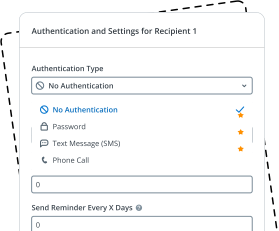
- Authentication measures: Implement multi-factor authentication to verify the identity of signers.
- Audit trails: Maintain a comprehensive audit trail that records all actions taken during the signing process, including timestamps and IP addresses.
- Compliance with regulations: Ensure that the eSignature process adheres to relevant federal and state laws governing electronic transactions.
Examples of using the sign application electronically
There are numerous scenarios where signing applications electronically can enhance efficiency:
- Loan applications: Individuals can sign loan forms online, expediting the approval process.
- Rental agreements: Landlords and tenants can electronically sign lease agreements, simplifying the rental process.
- Employment applications: Job seekers can submit and sign their applications digitally, streamlining recruitment.
Timeframes & Processing Delays
While electronic applications can significantly reduce processing times, users should be aware of potential delays. Factors that may affect the timeframe include:
- Signature requests: Delays in obtaining signatures from all parties can prolong the process.
- Document review: Internal reviews by the receiving organization may take additional time.
- Technical issues: Any technical difficulties with the electronic signing platform can lead to processing delays.