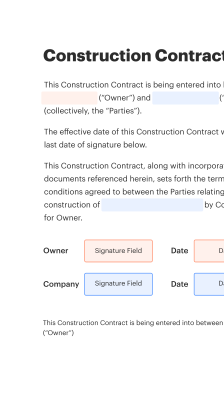
What is the company digital signature
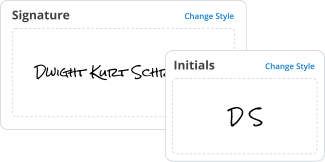
A company digital signature is a secure electronic representation of a company’s intent to sign a document. It serves as a legally binding method to authenticate the identity of the signer and ensure the integrity of the signed document. By using cryptographic techniques, a digital signature provides a unique identifier for the company, allowing for verification of the signer's identity and the document's authenticity. This method is widely accepted in the United States and complies with various legal standards, including the Electronic Signatures in Global and National Commerce (ESIGN) Act.
How to use the company digital signature
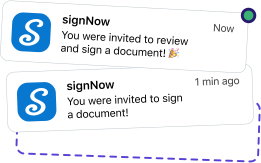
Using a company digital signature involves a straightforward process. First, upload the document that requires a signature to the airSlate SignNow platform. Next, select the fields where signatures are needed and designate the signers. Once the document is prepared, you can send it for signature via email. The recipients will receive a notification to review and sign the document electronically. After all parties have signed, the completed document is securely stored and can be easily accessed for future reference.
Legal use of the company digital signature
The legal use of a company digital signature is governed by federal and state laws in the United States. Digital signatures are recognized as valid and enforceable under the ESIGN Act and the Uniform Electronic Transactions Act (UETA). These laws establish that electronic signatures carry the same weight as handwritten signatures, provided that the signers consent to use electronic signatures and the process meets specific criteria. It is essential for companies to ensure compliance with these regulations to protect the legality of their signed documents.
Steps to complete the company digital signature
Completing a company digital signature involves several key steps:
- Log into your airSlate SignNow account and upload the document that needs to be signed.
- Identify the areas in the document where signatures are required.
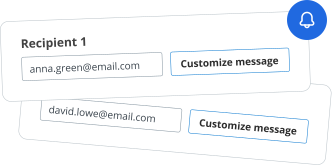
- Add the email addresses of the individuals who need to sign the document.
- Customize the signing order if necessary, ensuring that the document flows smoothly from one signer to the next.
- Send the document for signature and monitor its progress through your account dashboard.
- Once all parties have signed, download the completed document for your records.
Key elements of the company digital signature
Key elements of a company digital signature include:
- Authentication: Verifies the identity of the signer.
- Integrity: Ensures that the document has not been altered after signing.
- Non-repudiation: Provides proof of signing that cannot be denied by the signer.
- Compliance: Meets legal standards set by federal and state laws.
Security & Compliance Guidelines
To ensure the security and compliance of company digital signatures, consider the following guidelines:
- Use a reputable eSignature platform that complies with industry standards.
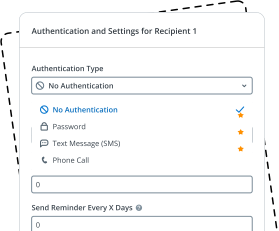
- Implement strong authentication methods, such as two-factor authentication.
- Regularly audit your digital signature processes to maintain compliance with legal requirements.
- Educate employees about the importance of secure document handling and eSignature practices.
Examples of using the company digital signature
Company digital signatures can be utilized in various scenarios, including:
- Signing contracts and agreements with clients or vendors.
- Approving internal documents such as HR policies or financial reports.
- Finalizing legal documents, including non-disclosure agreements.
- Facilitating real estate transactions by signing purchase agreements.