Understanding Invoice Factoring Vs Invoice Discounting for Your Business
Award-winning eSignature solution




Move your business forward with the airSlate SignNow eSignature solution
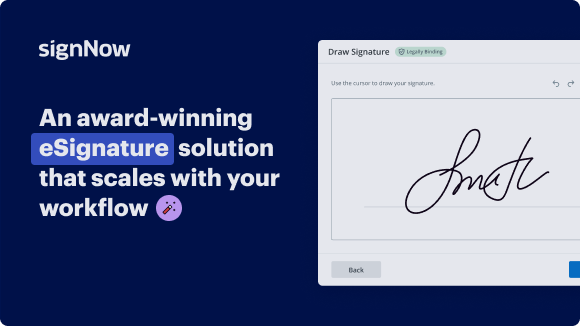
Add your legally binding signature
Integrate via API
Send conditional documents
Share documents via an invite link
Save time with reusable templates
Improve team collaboration
See airSlate SignNow eSignatures in action


Understanding Invoice Factoring
Invoice factoring is a financial transaction where a business sells its invoices to a third party, known as a factor, at a discount. This process allows businesses to receive immediate cash flow instead of waiting for customers to pay their invoices. The factor then takes on the responsibility of collecting the payments from the customers. This can be particularly beneficial for small to medium-sized enterprises that may struggle with cash flow issues.
In invoice factoring, the business typically receives a percentage of the invoice value upfront, usually between seventy to ninety percent. The remaining balance, minus the factor's fee, is paid to the business once the customer settles the invoice. This arrangement provides quick access to funds, which can be used for operational expenses, payroll, or investment opportunities.
Exploring Invoice Discounting
Invoice discounting is similar to factoring but operates differently. In this arrangement, a business borrows against its unpaid invoices while retaining control over the collection process. The business receives a cash advance from a lender based on the value of its invoices, allowing it to maintain cash flow without selling its invoices outright.
With invoice discounting, the business is responsible for managing customer relationships and collecting payments. This method is often preferred by companies that want to keep their financing arrangements discreet, as customers may not be aware that their invoices are being financed. The advance provided can range from seventy to ninety percent of the invoice value, similar to factoring, but the business retains more control over its operations.
Key Differences Between Invoice Factoring and Invoice Discounting
While both invoice factoring and invoice discounting offer businesses a way to access cash quickly, there are significant differences between the two methods:
- Ownership of Invoices: In factoring, the factor owns the invoices and manages collections, whereas in discounting, the business retains ownership and collection responsibilities.
- Customer Interaction: Factoring can change how customers interact with the business, as they will deal directly with the factor for payments. In contrast, with discounting, customers continue to pay the business directly.
- Confidentiality: Invoice discounting is generally more discreet, allowing businesses to finance their invoices without alerting customers, while factoring is more visible to customers.
- Fees and Costs: The fee structures may differ, with factoring often involving higher fees due to the additional services provided by the factor.
Choosing the Right Option for Your Business
Deciding between invoice factoring and invoice discounting depends on your business's specific needs and circumstances. Consider the following factors:
- Cash Flow Needs: If immediate cash flow is critical, factoring may provide quicker access to funds.
- Control Over Collections: If maintaining customer relationships is important, invoice discounting may be the better option.
- Cost Considerations: Evaluate the fees associated with each option and how they impact your overall financial health.
- Business Size: Smaller businesses may benefit more from factoring, while larger firms with established customer relationships may prefer discounting.
airSlate SignNow solutions for better efficiency
Our user reviews speak for themselves










Why choose airSlate SignNow
-
Free 7-day trial. Choose the plan you need and try it risk-free.
-
Honest pricing for full-featured plans. airSlate SignNow offers subscription plans with no overages or hidden fees at renewal.
-
Enterprise-grade security. airSlate SignNow helps you comply with global security standards.
Comprehending invoice factoring versus invoice discounting
In the current dynamic business landscape, overseeing cash flow is essential. Organizations frequently investigate alternatives like invoice factoring versus invoice discounting to enhance their financial approaches. A valuable resource that can simplify document management and signing procedures is airSlate SignNow, providing numerous advantages for companies of every size.
Procedures to employ airSlate SignNow for your document requirements
- Launch your web browser and go to the airSlate SignNow site.
- Register for a complimentary trial account or log in if you possess one already.
- Choose the document you intend to sign or send for signatures and upload it.
- If you aim to reuse this document, save it as a template for future reference.
- Access your uploaded document and perform needed modifications, such as incorporating fillable fields or adding specific details.
- Sign the document and provide signature fields for the recipients.
- Click 'Continue' to set up and dispatch an eSignature invitation.
airSlate SignNow delivers an impressive return on investment with its comprehensive feature set in relation to cost. It is crafted to be intuitive and scalable, making it suitable for small to medium-sized enterprises. Furthermore, the platform offers straightforward pricing without concealed charges, ensuring transparency for users.
With round-the-clock support accessible for all paid plans, airSlate SignNow equips businesses to effectively handle their document signing workflows. Begin your free trial now and witness the advantages firsthand!
How it works
airSlate SignNow features that users love





Get legally-binding signatures now!
FAQs
-
What is the difference between invoice discounting and factoring?
Factoring company has exclusive rights over the submitted invoices. Discounting company just provides a loan against the outstanding invoices. It does not have any control over the submitted invoices. The customer is aware of the factoring facility used by the business. -
What are the disadvantages of invoice factoring?
Drawbacks—Invoice factoring can be costly, with fees ranging from 1% to 5% of the invoice value. These fees can add up, reducing your profit margins. Additionally, you may lose control over customer relationships as the factoring company handles collections. -
Is factoring the same as discounting?
However, they differ in how they operate. Factoring involves selling invoices and transferring collection responsibilities, while discounting is borrowing against invoices, with the business retaining control of collections. -
Is invoice financing the same as invoice discounting?
Invoice finance is sometimes known as 'invoice discounting'. Invoice discounting, like financing, is a loan secured against outstanding invoices. It can be compared to an overdraft facility secured against your accounts receivable.
What active users are saying — invoice factoring vs invoice discounting


Find out other invoice factoring vs invoice discounting
- The Legitimacy of Electronic Signatures for Personal ...
- Electronic Signature Licitness for Property Inspection ...
- Online Signature Legality for Forms in India Boost Your ...
- Unlock the Power of Online Signature Legality for ...
- Online Signature Legality for Contracts in United ...
- Unlocking the Power of Online Signature Legality for ...
- Unlock the Power of Legally Binding Online Signatures ...
- Unlock Online Signature Lawfulness for Contracts in ...
- Unlock the power of electronic signature in PDF with ...
- Enhance your documents with a handwritten signature
- Unlock the power of electronic signature in Word for ...
- Create your eSignature with our easy-to-use signature ...
- Discover the DSC certificate price that suits your ...
- Discover top online signature service providers for ...
- Easily add signature to PDF without Acrobat for ...
- Discover free methods to sign a PDF document online ...
- How to add electronic signature to PDF on iPhone with ...
- How to sign PDF files electronically on Windows with ...
- How to sign a PDF file on phone with airSlate SignNow
- Experience seamless signing with the iPhone app for ...