Understanding Contract Vs Invoice for Your Business Needs
Award-winning eSignature solution




Move your business forward with the airSlate SignNow eSignature solution
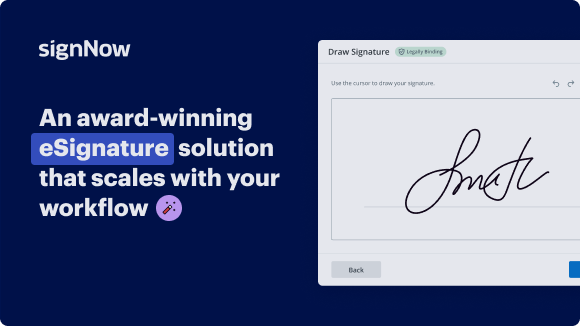
Add your legally binding signature
Integrate via API
Send conditional documents
Share documents via an invite link
Save time with reusable templates
Improve team collaboration
See airSlate SignNow eSignatures in action


Understanding the Differences Between Contracts and Invoices
Contracts and invoices serve distinct purposes in business transactions. A contract is a legally binding agreement between parties that outlines the terms of a deal, including obligations, rights, and responsibilities. In contrast, an invoice is a document issued by a seller to a buyer, detailing the products or services provided, along with the amount due for payment.
While contracts establish the framework for a business relationship, invoices are used for billing and payment processing. Understanding these differences is crucial for effective financial management and compliance with legal standards.
When to Use a Contract
Contracts are essential in situations where there is a need for clarity and legal protection. They are commonly used in the following scenarios:
- Employment agreements that define job responsibilities and compensation.
- Service agreements that outline the scope of work and payment terms.
- Partnership agreements that establish the roles and contributions of each party.
Using a contract helps ensure that all parties are on the same page, reducing the risk of misunderstandings or disputes.
When to Use an Invoice
Invoices are typically used after goods or services have been delivered. They serve as a formal request for payment and should include:
- The seller's and buyer's contact information.
- A description of the products or services provided.
- The total amount due, including any applicable taxes or fees.
- Payment terms and due dates.
Issuing invoices promptly helps maintain cash flow and provides a clear record of transactions for both parties.
Key Components of a Contract
A well-drafted contract should include several key components to be effective:
- Parties involved: Clearly identify all parties entering the agreement.
- Terms and conditions: Outline the obligations and rights of each party.
- Duration: Specify the time frame for the agreement.
- Dispute resolution: Include methods for resolving conflicts that may arise.
These components help ensure that the contract is comprehensive and enforceable.
Key Components of an Invoice
An effective invoice should contain specific information to facilitate payment:
- Invoice number: A unique identifier for tracking purposes.
- Date of issue: The date the invoice is created.
- Payment terms: Details on when payment is due and accepted payment methods.
- Itemized charges: A breakdown of services or products provided, including quantities and prices.
Including these elements ensures clarity and helps prevent payment delays.
Legal Considerations for Contracts and Invoices
Both contracts and invoices must adhere to legal standards to be enforceable. Contracts should be clear and unambiguous, with all parties having the capacity to enter into an agreement. Invoices must comply with tax regulations, including proper documentation for deductions and reporting. Understanding these legal aspects is vital for protecting your business interests.
Best Practices for Managing Contracts and Invoices
Effective management of contracts and invoices can enhance business operations. Consider these best practices:
- Use digital tools to create, store, and manage contracts and invoices securely.
- Regularly review contracts to ensure compliance and relevance.
- Automate invoice generation to reduce errors and save time.
- Maintain organized records for easy retrieval and reference.
Implementing these practices can lead to improved efficiency and better financial oversight.
airSlate SignNow solutions for better efficiency
Our user reviews speak for themselves










Why choose airSlate SignNow
-
Free 7-day trial. Choose the plan you need and try it risk-free.
-
Honest pricing for full-featured plans. airSlate SignNow offers subscription plans with no overages or hidden fees at renewal.
-
Enterprise-grade security. airSlate SignNow helps you comply with global security standards.
Grasping contract versus invoice
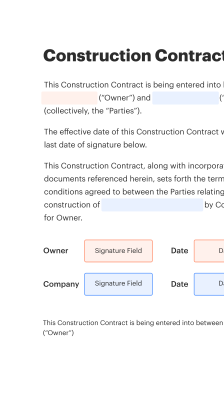
In the realm of business dealings, it is vital to distinguish between a contract and an invoice. A contract specifies the conditions of an agreement, whereas an invoice acts as a demand for payment. Leveraging tools such as airSlate SignNow can enhance the efficiency of managing these documents.
Methods to employ airSlate SignNow for contract versus invoice oversight
- Launch your browser and head to the airSlate SignNow website.
- Establish a complimentary trial account or sign into your current account.
- Choose the document you intend to sign or send for signatures and upload it.
- If you anticipate using this document multiple times, transform it into a reusable template.
- Open your uploaded file and make required modifications, like adding fillable fields or entering specific details.
- Affix your signature to the document and allocate signature fields for the recipients.
- Hit 'Continue' to set up and dispatch an eSignature invitation.
airSlate SignNow provides enterprises with a robust solution for dispatching and signing documents, guaranteeing a substantial return on investment with its comprehensive features. It is crafted for user-friendliness and scalability, making it well-suited for small to mid-sized enterprises.
With clear pricing and no concealed charges, airSlate SignNow delivers outstanding 24/7 support for all paid subscriptions. Begin streamlining your document management today!
How it works
airSlate SignNow features that users love





Get legally-binding signatures now!
FAQs
-
What is the difference between a bill and a contract?
Whereas a sales contract is used prior to the exchange of goods, a bill of sale is used during or after the exchange of goods to transfer ownership of the goods from the seller to the buyer. The bill of sale formalizes the ownership transfer and specifies which assets and services are being transferred. -
What legally must be on an invoice?
the company name and address of the customer you're invoicing. a clear description of what you're charging for. the date the goods or service were provided (supply date) the date of the invoice. -
Can I issue an invoice as an individual?
As long as you are the only owner, your business starts when your business activities start. You are therefore free to invoice clients as necessary. Once you provide a good and service in exchange for a fee, you can consider yourself a sole proprietor, a business owner, and can create a personal invoice. -
Can you invoice without a contract?
Yes, you can invoice someone without a contract. This is especially common with small-scale projects. However, having a detailed and robust written contract that outlines the terms, scope, payment methods, etc., can help you protect yourself and prevent misunderstandings or disputes. -
Is an invoice considered a contract?
Invoices and contracts are integral elements of any business, so it's essential to understand the difference between the two. An invoice doesn't qualify as a contract, nor does a contract serve as an invoice. -
Is an invoice part of a contract?
An invoice is not a legally binding agreement—but it does serve as a record of a transaction. It's evidence a product was delivered or a service was rendered and an amount is due in return. -
Can I invoice without a contract?
Invoices record a transaction between the 2 parties, usually for goods or services provided by a business to a customer. It does not serve as a legally binding document if the receiving party doesn't sign or agree to the invoice. In contrast, both parties must sign a contract for it to be valid.


