Understanding Notary Vs Witness for Your Document Needs
Award-winning eSignature solution





Move your business forward with the airSlate SignNow eSignature solution
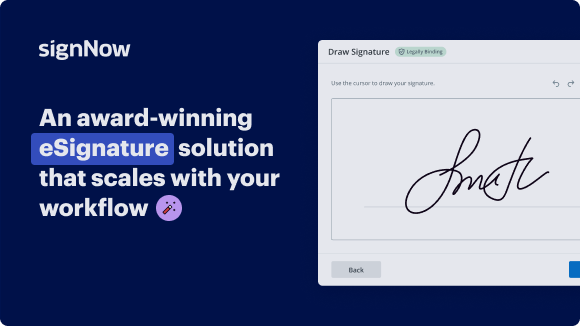
Add your legally binding signature
Integrate via API
Send conditional documents
Share documents via an invite link
Save time with reusable templates
Improve team collaboration
See airSlate SignNow eSignatures in action


Understanding the Role of a Notary
A notary public serves as an official witness to the signing of important documents. Their primary function is to verify the identities of the signers and ensure that they are signing willingly and without coercion. Notaries are authorized to administer oaths and affirmations, making them essential in legal and financial transactions.
In the United States, notaries must adhere to specific state laws and regulations, which can vary significantly. This means that the requirements for becoming a notary, as well as the types of documents they can notarize, differ from one state to another. Common documents that require notarization include wills, property deeds, and powers of attorney.
Understanding the Role of a Witness
A witness is someone who observes the signing of a document but does not have the same formal authority as a notary. The primary responsibility of a witness is to confirm that the signers are who they claim to be and that they are signing the document voluntarily. Witnesses can be friends, family members, or colleagues, depending on the document's requirements.
In many cases, legal documents may require one or more witnesses to be valid. For instance, wills and certain contracts often stipulate the need for witnesses to ensure their enforceability. Unlike notaries, witnesses typically do not need to be impartial or have any specific qualifications.
Key Differences Between Notaries and Witnesses
While both notaries and witnesses play crucial roles in the signing process, there are distinct differences between them:
- Authority: Notaries have official authority granted by the state, while witnesses do not.
- Verification: Notaries verify identities and administer oaths, whereas witnesses simply observe the signing.
- Documentation: Notaries often provide a notarization certificate, while witnesses may just sign the document as proof of their presence.
When to Use a Notary vs. a Witness
Choosing between a notary and a witness depends on the specific requirements of the document being signed. If a document requires notarization, a notary must be involved. This is common for legal documents that need an extra layer of verification.
On the other hand, if a document only requires witnesses, you can select individuals who meet the criteria without needing formal training or authorization. It is essential to review the document's requirements to determine which option is necessary.
Practical Scenarios for Notaries and Witnesses
In everyday situations, you may encounter various scenarios where notaries and witnesses are needed:
- Real Estate Transactions: Notaries often verify signatures on property deeds, while witnesses may be required for certain agreements.
- Wills and Trusts: Most states require wills to be signed in the presence of witnesses, while some may also require notarization.
- Powers of Attorney: These documents typically require notarization and may also need witnesses, depending on state laws.
Digital Document Workflows Involving Notaries and Witnesses
In a digital environment, the need for notaries and witnesses can still be fulfilled efficiently. Many online platforms allow users to prepare and send documents for eSigning, which can include options for notarization. Users can create forms that specify whether a notary or witness is required, streamlining the process.
With airSlate SignNow, you can easily prepare documents, share them for signature, and ensure that all necessary parties are involved, whether they are notaries or witnesses. This capability enhances productivity and ensures compliance with legal requirements.
airSlate SignNow solutions for better efficiency
Our user reviews speak for themselves










Why choose airSlate SignNow
-
Free 7-day trial. Choose the plan you need and try it risk-free.
-
Honest pricing for full-featured plans. airSlate SignNow offers subscription plans with no overages or hidden fees at renewal.
-
Enterprise-grade security. airSlate SignNow helps you comply with global security standards.
Notary vs Witness: Comprehending the Distinctions
In the realm of legal documentation, recognizing the responsibilities of a notary and a witness is essential. Although both validate signatures, their roles differ signNowly. This manual will assist you in navigating the usage of airSlate SignNow, an effective tool that streamlines document signing and enhances your efficiency.
Notary vs Witness: A Step-by-Step Manual for Utilizing airSlate SignNow
- Launch your web browser and go to the airSlate SignNow website.
- Establish a complimentary trial account or log into your current account.
- Choose the document you intend to sign or send for signatures and upload it.
- If you anticipate using this document again, save it as a template for later reference.
- Open your document to make necessary modifications, such as incorporating fillable fields or adding specific details.
- Authenticate the document and assign signature fields for the recipients.
- Click 'Continue' to set up and dispatch an eSignature invitation.
airSlate SignNow provides a comprehensive solution for businesses aiming to optimize their document signing procedures. With its intuitive interface and affordable pricing, it delivers exceptional value for your expenditure.
Discover the advantages of airSlate SignNow today and revolutionize the way you handle your documents. Begin your free trial now!
How it works
airSlate SignNow features that users love





Get legally-binding signatures now!
FAQs
-
Who can witness you signing a document?
A witness must be at least 18 years old to ensure they are legally accountable and considered responsible adults in the eyes of the law. If they do not meet the legal age of signing documents, then they do not have the requisite witness responsibility to ensure the process is legally binding. -
Who is the witness when signing a document?
A witness is a third-party observer present during the signing of a document. -
What is the difference between a signature and a notary?
A signature guarantee is used for financial transactions like transferring securities, while a notary is typically needed for verifying signatures on legal documents like contracts and affidavits. -
What do you call a person who witness the signing of a document?
A witness is a neutral third-party whose sole purpose is to observe the person signing the document. By doing so, they can ensure the validity of the material and the identities of both signers. Most legal documents require a witness, whether it be a signature guarantor or a notary. -
Is the witness the same as the notary?
Sometimes, when notarizing a document, a Notary or other individual is also asked to serve as a document witness. Acting as a document witness is not an official notarial act. The Notary acts as a private individual to witness someone signing the document in addition to officially notarizing it. -
Can a California will be signNowd instead of witnessed?
FAQs About Requirements for a Will to Be Valid in California While you can have your will signNowd, the fact that it is not will not establish grounds for a will contest. However, a will must be witnessed and signed by at least two other individuals in order to be seen as legally valid.
What active users are saying — notary vs witness


Find out other notary vs witness
- Make the most out of our AI-driven tools to compare ...
- Make the most out of our AI-driven tools to copy ...
- Make the most out of our AI-driven tools to create ...
- Make the most out of our AI-driven tools to create ...
- Make the most out of our AI-driven tools to eSign ...
- Make the most out of our AI-driven tools to eSign Word ...
- Make the most out of our AI-driven tools to extract ...
- Make the most out of our AI-driven tools to fill and ...
- Make the most out of our AI-driven tools to get ...
- Make the most out of our AI-driven tools to sign ...
- Make the most out of our AI-driven tools to sign basic ...
- Make the most out of our AI-driven tools to sign ...
- Make the most out of our AI-driven tools to sign it ...
- Make the most out of our AI-driven tools to sign lease ...
- Make the most out of our AI-driven tools to sign online ...
- Make the most out of our AI-driven tools to sign PDF ...
- Make the most out of our AI-driven tools to sign real ...
- Make the most out of our AI-driven tools to sign ...
- Make the most out of our AI-driven tools to sign ...
- Empowering your workflows with AI for bank loan ...