Understand Gst Invoice Terms and Conditions India for Seamless Transactions
Award-winning eSignature solution




Move your business forward with the airSlate SignNow eSignature solution
Add your legally binding signature
Integrate via API
Send conditional documents
Share documents via an invite link
Save time with reusable templates
Improve team collaboration
See airSlate SignNow eSignatures in action
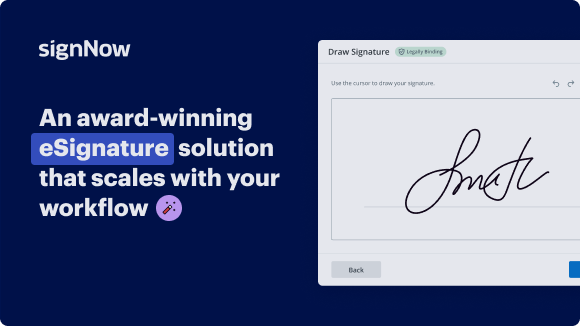


Understanding GST Invoice Terms and Conditions in India
GST invoice terms and conditions in India are essential for compliance with the Goods and Services Tax regulations. Businesses must ensure that their invoices include specific details to avoid penalties and ensure smooth transactions. Key elements include the GSTIN (Goods and Services Tax Identification Number) of both the supplier and the recipient, the invoice number, date of issue, and a clear description of goods or services provided.
Additionally, the invoice must specify the applicable tax rates and the total amount payable, including taxes. It is also important to mention any discounts offered, along with the terms of payment. This clarity helps in maintaining transparency between parties and facilitates easier audits and reconciliations.
Key Components of a GST Invoice
A GST invoice must contain several critical components to meet legal requirements. These components include:
- Supplier Details: Name, address, and GSTIN of the supplier.
- Recipient Details: Name, address, and GSTIN of the recipient.
- Invoice Number: A unique number for each invoice issued.
- Invoice Date: The date when the invoice is issued.
- Description of Goods/Services: Clear and concise details about the items or services provided.
- Tax Rate: The GST rate applicable to the goods or services.
- Total Amount: The total amount payable, including taxes.
Importance of Accurate GST Invoicing
Accurate GST invoicing is crucial for businesses to ensure compliance with tax laws. Incorrect or incomplete invoices can lead to disputes, penalties, and delays in payment. By maintaining accurate records and issuing GST-compliant invoices, businesses can streamline their accounting processes and enhance their credibility with clients and tax authorities.
Moreover, proper invoicing helps in claiming input tax credits, which can significantly reduce the overall tax burden. It is advisable for businesses to regularly review their invoicing practices to ensure they align with the latest GST regulations.
Digital Solutions for GST Invoicing
Utilizing digital solutions for creating and managing GST invoices can enhance efficiency and accuracy. Platforms like airSlate SignNow allow businesses to prepare and send invoices quickly, ensuring all necessary details are included. Users can easily edit and customize templates to fit their specific needs, making the invoicing process seamless.
With digital tools, businesses can also track the status of invoices, send reminders for payments, and securely store documents for future reference. This not only saves time but also reduces the risk of errors associated with manual invoicing.
Common Challenges in GST Invoicing
Businesses often face challenges when dealing with GST invoicing. Common issues include misunderstanding tax rates, incorrect data entry, and lack of clarity in terms and conditions. These challenges can lead to compliance issues and financial discrepancies.
To mitigate these challenges, businesses should invest in training for their staff on GST regulations and utilize reliable invoicing software that provides guidance on compliance. Regular audits of invoicing processes can also help identify and rectify potential issues before they escalate.
airSlate SignNow solutions for better efficiency
Our user reviews speak for themselves











Why choose airSlate SignNow
-
Free 7-day trial. Choose the plan you need and try it risk-free.
-
Honest pricing for full-featured plans. airSlate SignNow offers subscription plans with no overages or hidden fees at renewal.
-
Enterprise-grade security. airSlate SignNow helps you comply with global security standards.
GST Invoice Terms and Provisions India
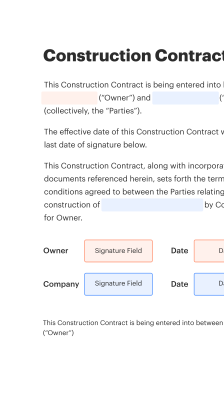
Generating and handling GST invoices can be eased with airSlate SignNow. This service provides an intuitive interface that enables enterprises to effectively transmit and electronically sign documents while maintaining adherence to GST standards in India. By executing these steps, you can utilize airSlate SignNow to optimize your invoicing workflow.
GST Invoice Terms and Provisions India
- Launch your web browser and go to the airSlate SignNow main page.
- Establish a complimentary trial account or log in if you already possess one.
- Choose the document you intend to sign or circulate for signatures and upload it.
- If you foresee using this document again, transform it into a reusable template.
- Access your uploaded document and perform necessary edits, including adding fillable fields or including specific details.
- Affix your signature to the document and assign signature fields for the recipients.
- Click 'Continue' to set up and send an eSignature invitation.
airSlate SignNow offers organizations a robust solution for document management, guaranteeing an excellent return on investment with its comprehensive features aimed at small to mid-sized businesses. Its clear pricing structure removes hidden charges, and the platform is tailored for straightforward scalability.
With round-the-clock customer assistance accessible for all paid plans, you can manage your document signing requirements with assurance. Begin utilizing airSlate SignNow today to improve your invoicing workflow!
How it works
airSlate SignNow features that users love





Get legally-binding signatures now!
FAQs
-
What is the rule 46 for GST invoice?
The invoice referred to in rule 46, in the case of the taxable supply of services, shall be issued within a period of thirty days from the date of the supply of service: Provided that where the supplier of services is an insurer or a banking company or a financial institution, including a non-banking financial company, ... -
How does GST work when invoicing?
Tax invoices A tax invoice shows that GST was included in the price of some or all of the goods and services you sold. You need to provide a tax invoice if any of these conditions apply: the purchase is taxable. the purchase is more than $82.50 (including GST) -
What are the rules for invoicing?
What do I legally have to include on an invoice? An invoice number. This must be a unique identification number. ... Your business name, address and contact information. ... Your customer's name and address. ... Invoice date. ... Supply date. ... Quantity and description of goods or services provided. ... Amounts charged. ... Total amount owed. -
What are the rules for GST invoice?
Manner of Issuing Invoice The invoice shall be prepared in triplicate, in case of supply of goods, in the following manner: (a) The original copy being marked as ORIGINAL FOR RECIPIENT; (b) The duplicate copy being marked as DUPLICATE FOR TRANSPORTER; and (c) The triplicate copy being marked as TRIPLICATE FOR SUPPLIER. -
What are the requirements for GST invoice basis?
GST Invoice Basis Criteria While anybody can register to be on the GST invoice basis, it is mandatory to register for invoice basis if your total sales are over $2 million in the last 12 months or are likely to be more than $2 million in any 12-month period beginning on the first day of a month. -
What are the rules for invoice in GST?
Manner of Issuing Invoice The invoice shall be prepared in triplicate, in case of supply of goods, in the following manner: (a) The original copy being marked as ORIGINAL FOR RECIPIENT; (b) The duplicate copy being marked as DUPLICATE FOR TRANSPORTER; and (c) The triplicate copy being marked as TRIPLICATE FOR SUPPLIER. -
What are the terms and conditions for 30 days invoice?
Under “30 days payment terms,” the buyer must pay the seller within 30 days after the invoice date. Depending on the agreement, these terms might also be phrased as “net 30” or include variations such as “30 days from receipt of goods” and “30 days after the end of the month.”


