How to Make an Itemized Invoice Effortlessly
Award-winning eSignature solution




Move your business forward with the airSlate SignNow eSignature solution
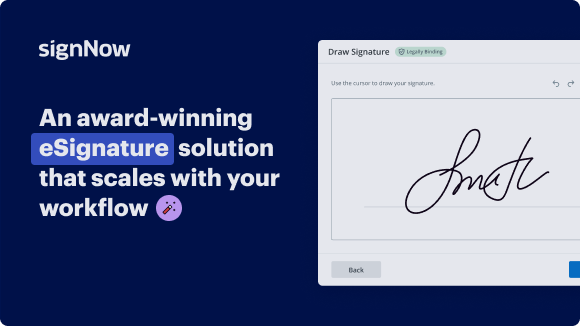
Add your legally binding signature
Integrate via API
Send conditional documents
Share documents via an invite link
Save time with reusable templates
Improve team collaboration
See airSlate SignNow eSignatures in action


Understanding Itemized Invoices
An itemized invoice is a detailed document that lists each product or service provided, along with their respective costs. This format helps clients understand exactly what they are being charged for, reducing confusion and disputes. Each line typically includes a description of the item, quantity, unit price, and total cost for that item. Itemized invoices are particularly useful for businesses that provide multiple services or products within a single transaction, ensuring transparency and clarity in billing.
Essential Components of an Itemized Invoice
Creating an itemized invoice involves including several critical components to ensure it meets professional standards. These components typically include:
- Business Information: Your company name, address, phone number, and email.
- Client Information: The name and address of the client receiving the invoice.
- Invoice Number: A unique identifier for tracking and reference.
- Date of Issue: The date the invoice is created.
- Due Date: The date by which payment should be made.
- Itemized List: A breakdown of products or services, including descriptions, quantities, unit prices, and total amounts.
- Total Amount Due: The sum of all itemized charges, including any applicable taxes or discounts.
How to Create an Itemized Invoice
To create an itemized invoice efficiently, follow these steps:
- Choose a Template: Select a professional invoice template that suits your business needs. Many digital document platforms offer customizable templates.
- Fill in Business and Client Information: Enter your company details and the client's information accurately to maintain professionalism.
- Add Invoice Details: Include the invoice number, issue date, and due date to keep track of your billing cycle.
- List Items: For each product or service, provide a clear description, quantity, unit price, and total cost. Ensure all calculations are accurate.
- Calculate Total: Sum all line items and include any taxes or discounts to present a final total.
- Review and Save: Double-check all information for accuracy before saving the invoice in a secure format.
Benefits of Using Digital Tools for Invoicing
Utilizing digital tools to create and manage itemized invoices offers several advantages:
- Efficiency: Digital platforms allow for quick creation and editing of invoices, saving time compared to manual methods.
- Accuracy: Automated calculations reduce the risk of errors in total amounts and tax calculations.
- Accessibility: Digital invoices can be accessed from anywhere, making it easy to manage billing on the go.
- Secure Sharing: Sending invoices through a secure platform ensures that sensitive information is protected.
Common Use Cases for Itemized Invoices
Itemized invoices are beneficial in various scenarios, including:
- Freelancers: Independent contractors often use itemized invoices to detail services rendered for multiple clients.
- Service Providers: Businesses offering services like consulting, repair, or maintenance can clearly outline the work completed.
- Retail Transactions: Retailers can provide itemized receipts to customers for clarity on their purchases.
- Project Billing: Companies working on long-term projects can use itemized invoices to bill clients for specific phases of work.
airSlate SignNow solutions for better efficiency
Our user reviews speak for themselves











Why choose airSlate SignNow
-
Free 7-day trial. Choose the plan you need and try it risk-free.
-
Honest pricing for full-featured plans. airSlate SignNow offers subscription plans with no overages or hidden fees at renewal.
-
Enterprise-grade security. airSlate SignNow helps you comply with global security standards.
How to create an itemized bill
Generating an itemized bill is vital for companies to maintain transparency and professionalism in their invoicing. With airSlate SignNow, you can effortlessly produce and oversee bills while enjoying an intuitive interface and powerful functionalities. This guide will lead you through the process of creating an itemized bill using airSlate SignNow.
Steps to create an itemized bill
- Launch your web browser and go to the airSlate SignNow site.
- Sign up for a free trial account or log in if you already possess one.
- Upload the file you want to sign or request signatures for.
- If you intend to reuse this file, change it into a reusable template.
- Access your document and make necessary modifications, such as adding fillable fields or including specific details.
- Sign your file and add signature fields for the intended recipients.
- Click 'Continue' to set up and send an eSignature invitation.
airSlate SignNow provides a robust solution for businesses aiming to optimize their document signing workflow. With a comprehensive feature set that delivers excellent return on investment, it is crafted to be user-friendly and scalable, making it a perfect fit for small to medium-sized enterprises. Furthermore, airSlate SignNow offers transparent pricing with no hidden charges and delivers outstanding 24/7 support for all premium plans.
Begin utilizing airSlate SignNow today to streamline your invoicing operations and boost your business efficiency!
How it works
airSlate SignNow features that users love





Get legally-binding signatures now!
FAQs
-
How to do an itemized bill?
Itemized invoices should include: Your company details, such as contact information. What the client is purchasing. Subtotals for each item they're purchasing. Subtotals for each item they're purchasing. Any taxes or other fees. The final total of the order. The due date of the invoice. The payment methods you accept. -
What is an Itemised invoice?
An itemised invoice serves as a comprehensive document from a seller to a buyer, which meticulously outlines each product and service sold along with their individual costs. This particular invoice details descriptions, quantities, unit prices, and the total for each entry, ensuring transparency. -
What do you mean by itemized invoice?
An itemized invoice is a detailed document given by a seller to a buyer, showing a breakdown of each good and service sold along with their respective costs. This invoice includes descriptions, quantities, unit prices, and total amounts for each line item. -
Can ChatGPT generate an invoice?
ChatGPT can be used for anything from figuring out what to make for dinner, writing a project brief, getting recommendations for tv-shows, and you can even create invoices. As a small business owner, freelancer or contractor, you don't want to be spending a lot of time on invoicing. -
How to make an itemized invoice?
An Itemized Original Receipt must, at the least, have the following items on the receipt: Name of Merchant. Address/Phone # (at least one way to contact the merchant) Description of each item purchased. Price for each item purchased. Tax for the taxable items. Grand Total. Date of Purchase. Method of payment. -
How to create a detailed invoice?
Some of these elements are necessary, while others are extra or used only for customization. Header. Headers should clearly state the purpose of a document. ... Company name and details. ... Name and Details of Client. ... Invoice Number. ... Date. ... Description of Goods or Services Rendered. ... Itemized fees. ... Balance Due. -
What is the difference between an itemized bill and an invoice?
Failing to recognize the difference between an invoice and a bill can lead to accounting errors. Invoices contain payment terms and references to agreements, while bills are usually itemized receipts. Choosing the correct document ensures compliance with financial and legal standards.


