What is the Difference between Purchase Order and Invoice
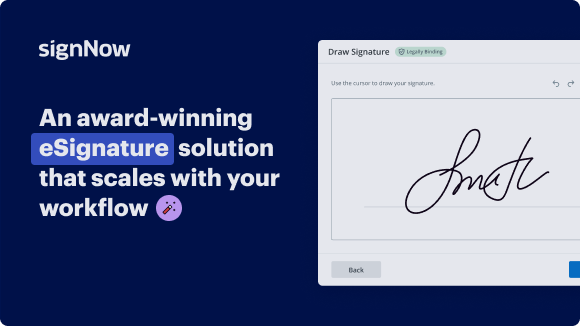
Award-winning eSignature solution




Move your business forward with the airSlate SignNow eSignature solution
Add your legally binding signature
Integrate via API
Send conditional documents
Share documents via an invite link
Save time with reusable templates
Improve team collaboration
See airSlate SignNow eSignatures in action


Understanding Purchase Orders
A purchase order (PO) is a formal document created by a buyer to request goods or services from a seller. It outlines specific details such as the type of goods, quantities, and agreed prices. Once the seller accepts the purchase order, it becomes a legally binding contract between both parties. This document serves as a record of what has been ordered and can help streamline the purchasing process by providing clarity and accountability.
In a digital workflow, creating a purchase order can be done quickly and efficiently using eSigning solutions. Users can prepare and send a purchase order for electronic signature, ensuring that all necessary approvals are obtained before proceeding with the transaction.
Defining Invoices
An invoice is a document issued by a seller to request payment from a buyer for goods or services provided. It typically includes details such as the invoice number, date of issue, payment terms, and a breakdown of the items sold. Invoices serve as a record of the transaction and are essential for accounting and tax purposes.
When using digital document solutions, invoices can be easily generated, edited, and sent for signature. This ensures that both parties have a clear understanding of the transaction and facilitates timely payments.
Key Differences Between Purchase Orders and Invoices
The primary difference between purchase orders and invoices lies in their purpose and timing within the transaction process. A purchase order is created before a transaction occurs, serving as a request for goods or services. In contrast, an invoice is generated after the goods or services have been delivered, serving as a request for payment.
Additionally, purchase orders are often used to initiate the procurement process, while invoices are used to finalize the transaction and request payment. Understanding these differences is crucial for effective financial management and documentation.
Legal Implications
Both purchase orders and invoices have legal significance in business transactions. A purchase order, once accepted by the seller, forms a contract that obligates both parties to fulfill their respective roles. On the other hand, an invoice serves as proof of the transaction and can be used in legal disputes regarding payment or delivery issues.
Utilizing digital document solutions can enhance the security and accessibility of these documents, ensuring that they are stored properly and can be retrieved easily when needed.
Practical Use Cases
In a typical business scenario, a company may issue a purchase order to a supplier for office supplies. Once the supplies are delivered, the supplier will send an invoice requesting payment. This clear distinction helps both parties keep track of their obligations and ensures a smooth transaction process.
Using digital tools, businesses can streamline these processes by creating and sending purchase orders and invoices electronically. This not only saves time but also reduces the risk of errors associated with manual entry and paper-based documentation.
Best Practices for Managing Purchase Orders and Invoices
To effectively manage purchase orders and invoices, businesses should consider the following best practices:
- Maintain organized records of all purchase orders and invoices for easy reference.
- Utilize digital document solutions to automate the creation, sending, and tracking of these documents.
- Ensure that all purchase orders are approved before placing orders to prevent unauthorized purchases.
- Regularly review and reconcile purchase orders with invoices to ensure accuracy and timely payments.
By following these practices, businesses can enhance their financial operations and maintain healthy supplier relationships.
airSlate SignNow solutions for better efficiency
Our user reviews speak for themselves









Why choose airSlate SignNow
-
Free 7-day trial. Choose the plan you need and try it risk-free.
-
Honest pricing for full-featured plans. airSlate SignNow offers subscription plans with no overages or hidden fees at renewal.
-
Enterprise-grade security. airSlate SignNow helps you comply with global security standards.
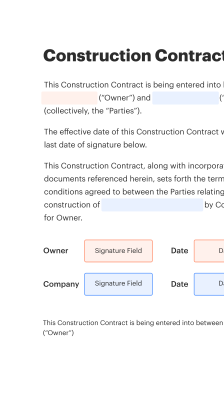
What is the distinction between purchase order and invoice
Comprehending the distinction between a purchase order and an invoice is vital for proficient financial management. A purchase order is a document transmitted from a buyer to a seller, detailing the items, quantities, and agreed-upon prices for products or services. An invoice, conversely, is a request for payment generated by the seller once the goods or services have been delivered. This guide will assist you in navigating the procedure of utilizing airSlate SignNow for document signing.
What is the distinction between purchase order and invoice
- Launch your web browser and go to the airSlate SignNow website.
- Establish a free trial account or log in if you already possess one.
- Select the document you wish to sign or send for signatures and upload it.
- If you intend to use this document again, convert it into a reusable template.
- Access your uploaded file and make necessary modifications, such as incorporating fillable fields or inserting specific details.
- Sign the document and add signature fields for the recipients.
- Click 'Continue' to configure and send an eSignature invitation.
airSlate SignNow provides numerous benefits for businesses striving to optimize their document signing workflows. With a comprehensive feature set that yields an excellent return on investment, it is crafted to be user-friendly and adaptable, making it perfect for small to mid-sized enterprises. Furthermore, airSlate SignNow presents transparent pricing without hidden fees and offers exceptional 24/7 support for all paid plans.
In summary, utilizing airSlate SignNow can greatly improve your document management efficiency. Begin your free trial today and experience the advantages firsthand!
How it works
airSlate SignNow features that users love





Get legally-binding signatures now!
FAQs
-
Can you invoice without a purchase order?
The non-PO invoice procurement process Non-PO invoices often arise from smaller, regular expenditures, reimbursements for employee expenses, or legally contracted services. These purchases are usually made as and when the need arises, without going through the standard PO process. -
Is a PO required for an invoice?
Although it is not a legal requirement, using a purchase order document to buy goods or request services, with a vendor later invoicing the buyer, can reduce misunderstandings, errors, duplicate payments, and financial issues down the line. -
Do you need a purchase order before an invoice?
A purchase order is typically issued before the goods or services are delivered or rendered. An invoice, however, is usually generated after the delivery of goods or completion of services, as a way of requesting payment from the buyer based on the agreed-upon terms. -
Can you invoice without a PO?
Just as it sounds, a non-PO invoice is when someone in your organization purchases an item or service without a purchase order. Having a PO for the invoice can save man-hours as it captures the quantity, quality, price, buyer details, and links it back to the supplier – and it can even contain the appropriate coding. -
Do all invoices need a PO number?
There is no legal or statutory requirement to raise a purchase order as part of your accounting process. Goods and services can be procured without one and it is only the invoicing around the sale by the supplier that comes with any rules and regulations. -
What is the difference between an order and an invoice?
The main difference between a sales order and invoice is that a sales order is created by a vendor to confirm they can provide the goods or services requested, whereas an invoice is created to request payment for goods or services that have already been provided to the buyer. -
What comes first, PO or invoice?
Purchase order comes first and is created before the goods or services are provided while the invoice is usually sent after they have been rendered.
What active users are saying — what is the difference between purchase order and invoice


Find out other what is the difference between purchase order and invoice
- Unlocking the Power of Digital Signature Legality for ...
- Ensuring Compliance with Australian Digital Signature ...
- Digital Signature Legitimacy for Sick Leave Policy in ...
- Enhance Digital Signature Legitimateness for Commercial ...
- Digital Signature Legitimateness for Addressing ...
- Ensuring digital signature licitness for Toll ...
- Understanding Electronic Signature Legality for ...
- Ensuring Electronic Signature Lawfulness for Contract ...
- Understanding the Lawfulness of Electronic Signatures ...
- Unlocking the Power of Electronic Signature Legitimacy ...
- Enhance Freelance Contract Legitimacy with Electronic ...
- Electronic Signature Legitimateness for Contracts in ...
- Ensuring Electronic Signature Legitimateness for ...
- Enhance Electronic Signature Legitimateness for Home ...
- Maximize Electronic Signature Legitimateness for Stock ...
- Electronic Signature Legitimateness for Manufacturing ...
- The Legitimacy of Electronic Signatures for Personal ...
- Electronic Signature Licitness for Property Inspection ...
- Online Signature Legality for Forms in India Boost Your ...
- Unlock the Power of Online Signature Legality for ...