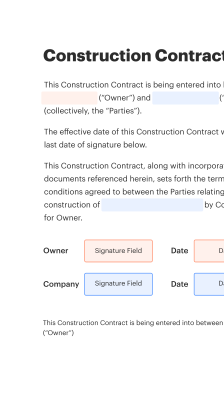
What is the personal signature examples
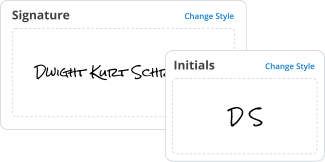
A personal signature example refers to the various ways individuals can create and use their signatures in digital formats. These examples showcase how a signature can be represented electronically, whether for personal use, business transactions, or formal communications. They can include handwritten signatures scanned into digital form, stylized text signatures created using software, or even simple typed names. Understanding these examples is essential for effectively utilizing eSignatures in a variety of contexts.
How to use the personal signature examples
Using personal signature examples involves selecting the appropriate format that suits your needs. For instance, if you prefer a handwritten look, you can create a digital version of your signature using a stylus or touchpad. Alternatively, you might choose a clean, professional font for a more formal appearance. Once you have your signature ready, you can easily insert it into documents using airSlate SignNow’s intuitive interface. This allows you to fill out forms, request signatures from others, and manage your documents efficiently.
Steps to complete the personal signature examples
To complete a personal signature example electronically, follow these steps:
- Create your signature using a stylus or a signature pad, or choose a font that represents your style.
- Save the signature in a compatible format, such as PNG or JPEG, for easy insertion into documents.
- Log into your airSlate SignNow account and upload the document that requires your signature.
- Select the area where you want to place your signature and insert the saved image or type your name.
- Review the document for accuracy and completeness before sending it for signature or saving it for your records.
Legal use of the personal signature examples
Personal signature examples hold legal weight when used in electronic documents, provided they comply with the Electronic Signatures in Global and National Commerce (ESIGN) Act and the Uniform Electronic Transactions Act (UETA). These laws affirm that eSignatures are legally binding in the United States, as long as both parties consent to use electronic signatures. It is crucial to ensure that your signature is securely stored and that the document is protected against unauthorized changes to maintain its legal validity.
Security & Compliance Guidelines
When using personal signature examples, adhering to security and compliance guidelines is vital. Ensure that your eSignature solution, such as airSlate SignNow, employs encryption and secure storage methods to protect your data. Additionally, verify that the platform complies with relevant regulations, including the General Data Protection Regulation (GDPR) and the Health Insurance Portability and Accountability Act (HIPAA), if applicable. Regularly review access permissions and maintain a clear audit trail of all signed documents to enhance security and compliance.
Documents You Can Sign
Personal signature examples can be applied to a wide range of documents, including:
- Contracts and agreements
- Invoices and purchase orders
- Employment forms and HR documents
- Legal documents such as wills and powers of attorney
- Tax forms and financial statements
Using airSlate SignNow, you can easily fill out and eSign these documents, streamlining your workflow and ensuring that all necessary signatures are collected efficiently.
Digital vs. Paper-Based Signing
Digital signing offers several advantages over traditional paper-based signing. It enhances efficiency by allowing users to sign and send documents instantly, reducing the time spent on printing, signing, and scanning. Digital signatures also minimize physical storage needs, as documents can be securely stored online. Additionally, electronic signatures provide better tracking and management capabilities, enabling users to monitor the status of documents and ensure timely completion.