Understanding Invoice Versus Statement for Your Business Needs
Award-winning eSignature solution




Move your business forward with the airSlate SignNow eSignature solution
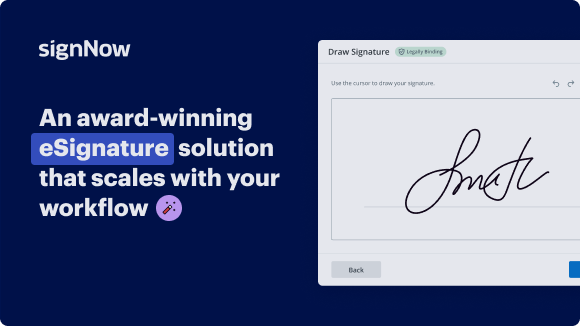
Add your legally binding signature
Integrate via API
Send conditional documents
Share documents via an invite link
Save time with reusable templates
Improve team collaboration
See airSlate SignNow eSignatures in action


Understanding the Differences Between Invoices and Statements
Invoices and statements serve distinct purposes in business transactions. An invoice is a detailed document issued by a seller to a buyer, requesting payment for goods or services provided. It typically includes specific information such as the date of the transaction, a description of the items sold, the total amount due, and payment terms. In contrast, a statement provides a summary of all transactions between a buyer and seller over a certain period, reflecting both outstanding balances and payments made. Understanding these differences is crucial for effective financial management.
When to Use an Invoice
Invoices are essential when a business completes a sale and needs to request payment. They should be used in the following scenarios:
- When delivering goods or services that require immediate payment.
- For tracking individual sales transactions for accounting purposes.
- When establishing clear terms of payment for customers.
Using invoices helps maintain transparency and ensures that both parties have a record of the transaction, which can be vital for future reference.
When to Use a Statement
Statements are beneficial for providing an overview of a customer's account. They should be used in these situations:
- To summarize all transactions within a billing cycle, including payments and outstanding balances.
- For sending reminders to customers about due payments.
- When reconciling accounts and ensuring accuracy in financial records.
Statements help businesses keep track of ongoing relationships with customers and provide a clear picture of account activity.
Key Components of an Invoice
An effective invoice should include several key components to ensure clarity and accuracy:
- Invoice Number: A unique identifier for tracking purposes.
- Seller Information: The name, address, and contact details of the business issuing the invoice.
- Buyer Information: The name and address of the customer receiving the invoice.
- Description of Goods or Services: Clear details about what is being billed.
- Total Amount Due: The total cost, including any applicable taxes or discounts.
- Payment Terms: Instructions on how and when to pay.
Including these components helps ensure that payments are processed smoothly and efficiently.
Key Components of a Statement
A well-structured statement should contain the following elements:
- Statement Date: The date the statement is issued.
- Account Summary: A summary of the account, including the opening balance, payments made, and the current balance.
- Transaction Details: A list of all transactions during the statement period.
- Due Amount: The total amount that is still owed by the customer.
These components ensure that customers have a complete understanding of their account activity and obligations.
Using airSlate SignNow for Invoices and Statements
With airSlate SignNow, businesses can easily create, send, and manage invoices and statements digitally. Users can prepare and send documents for eSigning, ensuring that all transactions are documented securely. This streamlines the process of billing and account management, allowing for quick adjustments and updates as needed. By utilizing airSlate SignNow, businesses can enhance their financial workflows and maintain accurate records efficiently.
airSlate SignNow solutions for better efficiency
Our user reviews speak for themselves











Why choose airSlate SignNow
-
Free 7-day trial. Choose the plan you need and try it risk-free.
-
Honest pricing for full-featured plans. airSlate SignNow offers subscription plans with no overages or hidden fees at renewal.
-
Enterprise-grade security. airSlate SignNow helps you comply with global security standards.
Invoice vs. Statement: Grasping the Distinctions
When overseeing corporate finances, comprehending the distinction between an invoice and a statement is essential. Invoices are solicitations for payment, whereas statements provide a summary of all transactions over a specified duration. Employing tools like airSlate SignNow can facilitate the signing procedure for both types of documents, improving efficiency and clarity.
Steps to Utilize airSlate SignNow for Invoice vs. Statement
- Launch your web browser and head to the airSlate SignNow website.
- Create a complimentary trial account or sign in if you already possess one.
- Choose the document you intend to sign or send for signatures and upload it.
- If you plan to reuse this document, save it as a template for future reference.
- Access your uploaded document and make necessary modifications, such as adding fillable fields or including specific details.
- Sign the document and designate signature fields for the recipients.
- Click 'Continue' to set up and send an eSignature invitation.
airSlate SignNow provides a solid return on investment with its extensive features designed for small to medium-sized enterprises. Its intuitive interface allows for easy scaling, while clear pricing guarantees no unforeseen charges. Furthermore, all paid plans include outstanding 24/7 support.
In summary, utilizing airSlate SignNow can greatly improve your document management workflow, especially regarding invoices and statements. Begin your free trial today and discover the benefits for yourself!
How it works
airSlate SignNow features that users love





Get legally-binding signatures now!
FAQs
-
Can you use a statement as an invoice?
Invoices give buyers itemized run-downs of what they've bought and when. Buyers can also pay on invoices. Statements, however, are used to tabulate account transactions and outstanding totals. Timing. -
What can I use instead of an invoice?
Synonyms of invoices bills. statements. accounts. documents. receipts. rates. checks. prices. -
What is the difference between an invoice and an itemized statement?
While an invoice relates to a specific transaction, a statement can cover multiple transactions. It's a document used when buyers owe the business money on account. The statement is a current report showing the customer's account status, reflecting payments already made and outstanding invoices. -
Is a statement the same as a bill?
No, a statement is not a bill. A statement aims to provide information on a customer's or client's account, while a bill's purpose is to demand payment. Bills are generic invoices; they're issued with the expectation of being paid immediately. -
Is a statement an invoice?
An invoice and a statement are both financial documents but serve different purposes in business transactions. An invoice is a request for payment for specific goods or services rendered, while a statement is a summary of all account activity over a specific period. -
Is a statement the same as an invoice?
As an example, you could include the details of a specific transaction on a statement and treat it as an invoice if you have a long-standing relationship with a customer. It is generally better to use invoices for individual transactions and statements for summarizing multiple transactions. -
Can a statement of account be an invoice?
While an invoice relates to a specific transaction, a statement can cover multiple transactions. It's a document used when buyers owe the business money on account. The statement is a current report showing the customer's account status, reflecting payments already made and outstanding invoices.
What active users are saying — invoice versus statement


Find out other invoice versus statement
- Unlock the power of electronic signature in PDF with ...
- Enhance your documents with a handwritten signature
- Unlock the power of electronic signature in Word for ...
- Create your eSignature with our easy-to-use signature ...
- Discover the DSC certificate price that suits your ...
- Discover top online signature service providers for ...
- Easily add signature to PDF without Acrobat for ...
- Discover free methods to sign a PDF document online ...
- How to add electronic signature to PDF on iPhone with ...
- How to sign PDF files electronically on Windows with ...
- How to sign a PDF file on phone with airSlate SignNow
- Experience seamless signing with the iPhone app for ...
- Easily sign PDF without Acrobat for seamless document ...
- Easily email a document with a signature using airSlate ...
- How to sign a document online and email it with ...
- How to use digital signature certificate on PDF ...
- How to use e-signature in Acrobat for effortless ...
- How to use digital signature on MacBook with airSlate ...
- Discover effective methods to sign a PDF online with ...
- Effortlessly sign PDFs with the linux pdf sign command