Master Standard Invoice Terms Effortlessly with airSlate SignNow
Award-winning eSignature solution




Move your business forward with the airSlate SignNow eSignature solution
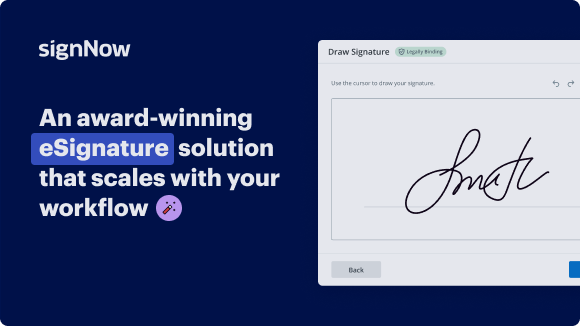
Add your legally binding signature
Integrate via API
Send conditional documents
Share documents via an invite link
Save time with reusable templates
Improve team collaboration
See airSlate SignNow eSignatures in action


Understanding Standard Invoice Terms
Standard invoice terms are essential for ensuring clarity and consistency in business transactions. These terms outline the expectations regarding payment timelines, methods, and any penalties for late payments. Common terms include "Net 30," which indicates that payment is due within thirty days of the invoice date, and "Due on Receipt," meaning payment is expected immediately upon receiving the invoice. Clearly defining these terms helps prevent misunderstandings and fosters positive relationships between businesses and their clients.
Common Standard Invoice Terms
When creating an invoice, it is important to include specific terms that are widely recognized in business transactions. Here are some frequently used standard invoice terms:
- Net 30: Payment is due within thirty days of the invoice date.
- Net 15: Payment is due within fifteen days of the invoice date.
- Due on Receipt: Payment is expected immediately upon receipt of the invoice.
- 2/10 Net 30: A two percent discount is available if payment is made within ten days; otherwise, the full amount is due in thirty days.
- COD (Cash on Delivery): Payment must be made at the time of delivery.
Importance of Clear Payment Terms
Clear payment terms are crucial for maintaining cash flow and managing business operations effectively. By specifying payment expectations, businesses can reduce the risk of late payments and disputes. This transparency not only helps in financial planning but also enhances trust between businesses and their clients. When both parties understand their obligations, it leads to smoother transactions and a more professional relationship.
How to Include Standard Invoice Terms in Your Documents
Incorporating standard invoice terms into your invoices can be done easily with digital document solutions. Here’s how you can do it effectively:
- Use a template that allows for customizable fields to include specific terms.
- Clearly state the payment terms at the top or bottom of the invoice for visibility.
- Consider using bold or highlighted text to draw attention to important terms.
- Review and update your terms regularly to reflect any changes in your business practices or client agreements.
Best Practices for Communicating Invoice Terms
Effective communication of invoice terms can significantly impact payment timelines. Here are some best practices to consider:
- Discuss payment terms with clients before starting work to ensure mutual understanding.
- Send reminders as the due date approaches to prompt timely payments.
- Provide a clear breakdown of charges on the invoice, including any applicable discounts or fees.
- Be available to answer any questions clients may have regarding the invoice terms.
Handling Late Payments and Disputes
Despite clear terms, late payments can occur. It is important to have a plan in place for addressing these situations. Consider the following steps:
- Send a polite reminder email shortly after the due date has passed.
- Review the invoice and terms with the client to address any potential misunderstandings.
- Establish a late fee policy that is communicated upfront and included in your standard terms.
- Maintain a professional tone in all communications to preserve the business relationship.
airSlate SignNow solutions for better efficiency
Our user reviews speak for themselves











Why choose airSlate SignNow
-
Free 7-day trial. Choose the plan you need and try it risk-free.
-
Honest pricing for full-featured plans. airSlate SignNow offers subscription plans with no overages or hidden fees at renewal.
-
Enterprise-grade security. airSlate SignNow helps you comply with global security standards.
Comprehending standard invoice terminology
In the realm of business dealings, grasping standard invoice terminology is essential for maintaining transparency and effectiveness. airSlate SignNow provides a smooth solution for enterprises aiming to enhance their document signing workflows. With its intuitive interface and powerful features, you can effortlessly handle your invoices and agreements.
Procedure to implement standard invoice terminology with airSlate SignNow
- Launch your web browser and go to the airSlate SignNow website.
- Register for a complimentary trial account or log in if you already possess one.
- Choose the document you wish to endorse or send for signatures and upload it.
- If you intend to reuse this document, save it as a template for future applications.
- Access your uploaded document and perform necessary modifications, such as adding fillable areas or entering specific data.
- Approve the document and assign signature areas for your recipients.
- Hit 'Continue' to set up and dispatch an eSignature request.
By utilizing airSlate SignNow, businesses can realize a notable return on investment thanks to its all-encompassing feature array relative to expense. The platform is crafted to be user-friendly and adaptable, making it suitable for small to medium-sized businesses. Moreover, it presents clear pricing without any concealed charges, ensuring you are fully aware of your expenses.
With outstanding round-the-clock support accessible for all paid plans, airSlate SignNow enables you to manage your documents effectively. Begin streamlining your document signing process today!
How it works
airSlate SignNow features that users love





Get legally-binding signatures now!
FAQs
-
What is the standard time for invoice payment?
Invoices must always include the invoice date as well as the due date. Setting a due date encourages the client to pay you within a certain time frame. The general rule is 30 days from the invoice date. However, you can discuss this with your customer and either make it shorter or longer than 30 days. -
What terms should I put on an invoice?
Terms and Conditions on Invoice Samples PAYMENT: Payment is due within 30 days of invoice date. ... LATE PAYMENT: Overdue accounts are subject to a monthly interest charge of 1.5% (annual rate of 18%). DISPUTED CHARGES: Any questions or disputes regarding this invoice must be submitted in writing within 7 days of receipt. -
Are 30 day payment terms standard?
While 30-day payment terms are common, there are plenty of alternatives that might suit your business or customer needs. Choosing the right terms depends on factors such as the reliability of your customers and the nature of your industry. Here are some other standard options. -
What is 50 25 25 payment terms?
The 50, 25, 25 payment terms mean the client pays 50% upfront, 25% at a project milestone or midway, and 25% upon completion. It's commonly used in construction, freelancing, and large projects. -
What are the 7 day payment terms?
-
What are the standard payment terms on an invoice?
They're usually expressed as a fixed number of days, like “7 days” or “30 days”, and should be clearly stated on your invoices and client agreements. For example: Payment terms: 14 days from the date of invoice. Due date: 30 September 2025. -
What are 30-60-90 payment terms?
Commonly expressed as “net 30,” “net 60,” or “net 90,” these terms indicate that full payment is due within 30, 60, or 90 days, respectively. Net terms typically include the weekends and holidays when calculating the due date, unless otherwise stated.
What active users are saying — standard invoice terms


Find out other standard invoice terms
- Unlock the Power of eSignature Legitimateness for ...
- Unlocking the Power of eSignature Legality for Support ...
- Boost Your Procurement with Legitimate eSignatures in ...
- Unlock eSignature Legitimateness for Logistics in ...
- Ensuring Digital Signature Legality for Support in ...
- The Definitive Guide to Digital Signature Legality for ...
- Ensuring the Legality of Digital Signatures for ...
- Unlock the Power of Digital Signature Legality for ...
- Digital Signature Legality for Quality Assurance in ...
- Digital Signature Legitimacy for Procurement in United ...
- Unlock Digital Signature Legitimateness for Procurement ...
- Electronic Signature Legality for IT in Canada - ...
- Unlocking the Power of Electronic Signature Legality ...
- Electronic Signature Legality for Sales in United ...
- Electronic Signature Legality for Quality Assurance in ...
- Unlock the Power of Electronic Signature Lawfulness for ...
- Unlock Electronic Signature Legitimacy for Accounting ...
- Boost Sales with Electronic Signature Legitimateness in ...
- Electronic Signature Legitimateness for Logistics in ...
- Unlock Electronic Signature Legitimateness for ...