Understanding the Difference between Factoring and Invoice Discounting
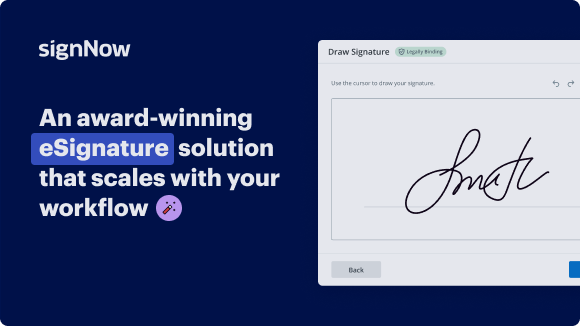
Award-winning eSignature solution




Move your business forward with the airSlate SignNow eSignature solution
Add your legally binding signature
Integrate via API
Send conditional documents
Share documents via an invite link
Save time with reusable templates
Improve team collaboration
See airSlate SignNow eSignatures in action


Understanding factoring
Factoring is a financial transaction where a business sells its accounts receivable to a third party, known as a factor, at a discount. This process allows businesses to receive immediate cash flow, which can be crucial for maintaining operations, paying suppliers, or investing in growth opportunities. The factor then takes on the responsibility of collecting payments from the customers. This arrangement can be beneficial for businesses that need quick access to funds without taking on additional debt.
Understanding invoice discounting
Invoice discounting is a financing method where a business borrows money against its outstanding invoices. Unlike factoring, the business retains control over its sales ledger and is responsible for collecting payments from customers. The lender typically advances a percentage of the invoice value and charges interest on the amount borrowed. This option can provide businesses with immediate cash flow while maintaining customer relationships and confidentiality regarding their financing arrangements.
Key differences between factoring and invoice discounting
The primary difference between factoring and invoice discounting lies in the management of accounts receivable. In factoring, the factor takes over the collection process, while in invoice discounting, the business retains control and continues to manage customer payments. Additionally, factoring often involves a more thorough credit check of the business's customers, as the factor assumes the risk of non-payment. In contrast, invoice discounting relies on the business's creditworthiness and the quality of its invoices.
Advantages of factoring
Factoring offers several advantages for businesses, including:
- Immediate cash flow: Businesses can access funds quickly, which can help manage operational expenses.
- Outsourced collections: The factor handles collections, allowing businesses to focus on core operations.
- Credit protection: Factors often conduct credit checks, helping businesses avoid risky customers.
Advantages of invoice discounting
Invoice discounting also provides distinct benefits, such as:
- Retained control: Businesses maintain control over their customer relationships and collections.
- Confidentiality: Customers are unaware that the business is using invoice discounting, preserving brand reputation.
- Flexibility: Businesses can choose which invoices to discount, allowing for tailored cash flow management.
Choosing the right option for your business
When deciding between factoring and invoice discounting, businesses should consider their specific needs and circumstances. If immediate cash flow and outsourced collections are priorities, factoring may be the better choice. However, if maintaining customer relationships and control over collections is essential, invoice discounting might be more suitable. Evaluating the costs, terms, and overall impact on cash flow can help businesses make an informed decision.
airSlate SignNow solutions for better efficiency
Our user reviews speak for themselves










Why choose airSlate SignNow
-
Free 7-day trial. Choose the plan you need and try it risk-free.
-
Honest pricing for full-featured plans. airSlate SignNow offers subscription plans with no overages or hidden fees at renewal.
-
Enterprise-grade security. airSlate SignNow helps you comply with global security standards.
Grasping the distinction between factoring and invoice discounting
In the realm of finance, companies frequently search for methods to enhance cash flow and effectively handle their receivables. Two well-known techniques are factoring and invoice discounting. Although both methods offer instant cash against unpaid invoices, they vary considerably in terms of control and confidentiality. This guide will assist you in comprehending the distinction between factoring and invoice discounting while also examining the advantages of utilizing airSlate SignNow for document management.
Investigating the distinction between factoring and invoice discounting
- Launch your web browser and go to the airSlate SignNow homepage.
- Set up a free trial account or log into your current account.
- Choose the document you want to sign or send for signatures and upload it.
- If you intend to use this document again, turn it into a reusable template.
- Access your uploaded document and make any required modifications, such as adding fillable fields or inputting specific details.
- Sign the document and incorporate signature fields for the recipients.
- Press 'Continue' to configure and send an eSignature request.
airSlate SignNow presents numerous benefits for businesses aiming to simplify their document signing processes. With a diverse feature set that delivers excellent ROI, it is crafted to be user-friendly and scalable, making it perfect for small to medium-sized enterprises. Moreover, the clear pricing model guarantees no hidden charges, and exceptional 24/7 support is provided for all paid plans.
In summary, grasping the distinction between factoring and invoice discounting can empower you to make well-informed financial choices. By utilizing airSlate SignNow, you can elevate your document management experience. Begin your free trial today and discover how it can revolutionize your workflow!
How it works
airSlate SignNow features that users love





Get legally-binding signatures now!
FAQs
-
What is the difference between invoice discounting and factoring?
Factoring company has exclusive rights over the submitted invoices. Discounting company just provides a loan against the outstanding invoices. It does not have any control over the submitted invoices. The customer is aware of the factoring facility used by the business. -
What is another name for invoice financing?
As mentioned, within that umbrella term sit the two distinct invoice finance types – discounting and factoring. Invoice discounting involves borrowing against your sales ledger, this is similar to using invoices clients have not yet paid for as security for a short term loan. -
What is the difference between invoice discounting and financing?
The onus of invoice amount recovery in invoice discounting rests on the business (beneficiary of invoice discounting). On the other hand, invoice financing contains alternatives, such as factoring, in which the factoring company manages the recovery-related tasks. -
What is the difference between revenue based financing and invoice factoring and other financing models?
Factoring is often used by businesses that have a lot of outstanding invoices and need cash quickly, whereas revenue-based financing is commonly used by businesses that have stable recurring revenue and need cash for growth investments. -
What is invoice financing?
Invoice finance is when the lender uses unpaid invoices as collateral for funding, giving you quick access to a percentage of the value of those invoices quickly, usually within 24 hours. The amount of money a provider will 'advance' to you is based on its own risk criteria. -
What is the difference between invoice discounting and reverse factoring?
Factoring is the true sale of receivables and invoice discounting is when a company is able to sell their unpaid invoices to a financial institution and receive a loan, with the accounts receivable being used as collateral. -
Is invoice discounting more expensive than factoring?
Factoring is more expensive compared to invoice discounting.
What active users are saying — difference between factoring and invoice discounting


Find out other difference between factoring and invoice discounting
- Boost Your Memorandum of Understanding with airSlate ...
- Electronic Signature Legality for Storage Rental ...
- Ensure Electronic Signature Lawfulness for Profit ...
- Boost your Manufacturing and Supply Agreement ...
- ESignature Legality for General Power of Attorney in ...
- Unlock eSignature legality for Distributor Agreement in ...
- ESignature Legality for Property Inspection Report in ...
- The Legal Power of eSigning General Power of Attorney ...
- Unlock eSignature Legitimateness for Business Associate ...
- Unlock eSignature Legitimateness for Payroll Deduction ...
- ESignature Legality for Non-Compete Agreement in UAE
- Ensure eSignature Legality for Advertising Agreement in ...
- ESignature Lawfulness for Cease and Desist Letter in ...
- Unlock the Power of eSignature Legitimateness for ...
- ESignature Legitimateness for Business Associate ...
- ESignature Legitimateness for Non-Compete Agreement in ...
- Enhance eSignature Legitimateness for Polygraph Consent ...
- Unlock the power of eSignature licitness for Stock ...
- Unlocking the Power of Digital Signature Legality for ...
- Ensuring Compliance with Australian Digital Signature ...