Create Your Self Employed Contractor Agreement Effortlessly
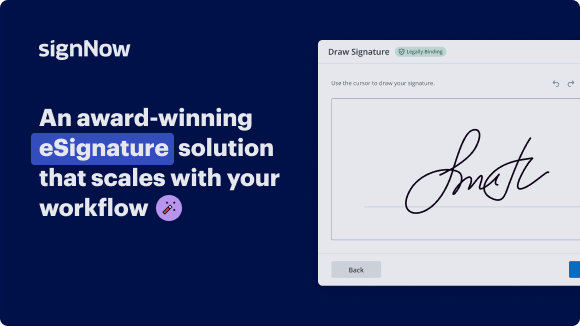
Award-winning eSignature solution




Move your business forward with the airSlate SignNow eSignature solution
Add your legally binding signature
Integrate via API
Send conditional documents
Share documents via an invite link
Save time with reusable templates
Improve team collaboration
See airSlate SignNow eSignatures in action


Understanding a self employed contractor agreement
A self employed contractor agreement is a crucial document that outlines the terms of engagement between a contractor and a client. This agreement serves to clarify the expectations, responsibilities, and rights of both parties involved. It typically includes details such as the scope of work, payment terms, deadlines, and confidentiality clauses. By having a well-structured agreement, both the contractor and the client can avoid misunderstandings and ensure a smooth working relationship.
Key components of a self employed contractor agreement
When drafting a self employed contractor agreement, it is important to include several key components to ensure clarity and legality. These components often include:
- Scope of Work: A detailed description of the services to be provided.
- Payment Terms: Information on how and when the contractor will be compensated.
- Duration: The length of time the agreement will be in effect.
- Confidentiality: Provisions to protect sensitive information shared during the engagement.
- Termination Clause: Conditions under which either party can terminate the agreement.
Benefits of using a self employed contractor agreement
Utilizing a self employed contractor agreement provides numerous benefits for both contractors and clients. These benefits include:
- Clarity: Clearly defined roles and responsibilities help prevent disputes.
- Legal Protection: A written agreement provides legal recourse in case of non-compliance.
- Professionalism: Having a formal agreement enhances the professionalism of the working relationship.
- Tax Compliance: A well-documented agreement can assist with tax reporting and compliance for both parties.
How to create a self employed contractor agreement
Creating a self employed contractor agreement can be straightforward. Here are the steps to follow:
- Identify the Parties: Clearly state the names and contact information of both the contractor and the client.
- Define the Scope: Specify the services to be rendered in detail.
- Outline Payment Terms: Include payment amounts, methods, and schedules.
- Include Legal Provisions: Add clauses regarding confidentiality, termination, and dispute resolution.
- Review and Sign: Both parties should review the agreement and sign it to indicate acceptance.
Common scenarios for using a self employed contractor agreement
Self employed contractor agreements are commonly used in various industries and situations, including:
- Freelance Services: Writers, designers, and consultants often use these agreements to formalize their projects.
- Construction Projects: Contractors in the construction industry utilize these agreements to define project specifics.
- IT Services: Software developers and IT consultants often require agreements to outline project deliverables.
- Marketing and Advertising: Agencies and freelancers in marketing use these agreements to clarify campaign expectations.
Best practices for managing a self employed contractor agreement
To effectively manage a self employed contractor agreement, consider the following best practices:
- Regular Communication: Maintain open lines of communication to address any issues promptly.
- Document Changes: If any modifications to the agreement are necessary, document them formally.
- Keep Records: Maintain copies of the signed agreement and any correspondence related to the project.
- Review Periodically: Regularly review the agreement to ensure it remains relevant and accurate.
airSlate SignNow solutions for better efficiency
Our user reviews speak for themselves











Why choose airSlate SignNow
-
Free 7-day trial. Choose the plan you need and try it risk-free.
-
Honest pricing for full-featured plans. airSlate SignNow offers subscription plans with no overages or hidden fees at renewal.
-
Enterprise-grade security. airSlate SignNow helps you comply with global security standards.

Independent Contractor Agreement
Drafting an independent contractor agreement is crucial for defining clear conditions between the involved parties. Utilizing airSlate SignNow can simplify this task, rendering it effective and uncomplicated. This guide will lead you through the procedures to proficiently utilize airSlate SignNow for your agreement requirements.
Procedure to establish an independent contractor agreement using airSlate SignNow
- Launch your web browser and go to the airSlate SignNow website.
- Register for a free trial account or log in if you already possess one.
- Choose the document you intend to sign or send for signatures and upload it.
- If you plan to reuse this document, save it as a template for later use.
- Access your uploaded document and make necessary modifications, such as adding fillable fields or including specific details.
- Sign the document and add signature fields for the recipients.
- Click 'Continue' to set up and send an eSignature request.
airSlate SignNow provides a comprehensive solution for companies seeking to manage their documents effectively. With its extensive feature set, it offers great value for your investment, making it user-friendly and scalable for small to medium-sized enterprises. Moreover, you can anticipate transparent pricing without hidden charges and top-notch 24/7 support for all paid plans.
In summary, using airSlate SignNow for your independent contractor agreement streamlines the signing procedure and boosts productivity. Start your free trial today and discover the advantages firsthand!
How it works
airSlate SignNow features that users love





Get legally-binding signatures now!
FAQs
-
What must be included in an employment contract?
The general rule is that an individual is an independent contractor if the person for whom the services are performed has the right to control or direct only the result of the work and not what will be done and how it will be done. If you are an independent contractor, then you are self-employed. -
What should be included in a self-employed contract?
There are some details included in the contract that are considered to be good practice for organisations including clauses that clarify how the contract will be ended, the nature of the working relationship and who is responsible for tax and National Insurance Contributions. -
Is it better to say self-employed or independent contractor?
Someone is probably self-employed if they're self-employed for tax purposes and most of the following are true: they put in bids or give quotes to get work. they're not under direct supervision when working. they submit invoices for the work they've done. they're responsible for paying their own National Insurance and ... -
What is a self-employed contractor?
The pros and cons of being self-employed Self-employed people work for themselves selling their services as either sole traders, independent contractors, or as members of a partnership that conducts business. As a self-employed tradesperson, you'll work for a variety of clients rather than a specific employer. -
How do I write an independent contractor agreement?
Below are eight important points to consider including in an independent contractor agreement. Define a Scope of Work. ... Set a Timeline for the Project. ... Specify Payment Terms. ... State Desired Results and Agree on Performance Measurement. ... Detail Insurance Requirements. ... Include a Statement of Independent Contractor Relationship. -
What should a 1099 contract include?
Here are some items to consider: Establish the contractor relationship. ... Define length of engagement for independent contractor jobs. ... Determine scope of work and deliverables. ... Agree on payment terms. ... Professional obligations. ... Maintain confidentiality. ... Put in a non-solicitation clause. ... Indicate grounds for termination. -
How do I protect myself as an independent contractor?
Legal Advice for Independent Contractors If your employer misclassified you to avoid benefits or liability, and attorney can take legal action to make sure you get the legal protections available. Contact a local employment lawyer who understands state labor laws and can help protect your legal rights.


