Ajouter Une Signature Numérique Au Document

Eliminate paper and automate document management for more performance and endless opportunities. eSign any papers from your home, fast and accomplished. Discover a better way of doing business with airSlate SignNow.

Award-winning eSignature solution

What adding a digital signature document means in practice

Adding a digital signature document refers to preparing a file so a signer can apply an electronic signature and complete a legally binding transaction. The process typically includes uploading a document, placing signature and data fields, assigning signing roles, configuring authentication and security options, and issuing the envelope or request to recipients. In U.S. contexts this approach aligns with ESIGN and UETA when intent, consent, and record retention requirements are met. Practical implementations streamline workflows while preserving an audit trail and access controls for compliance and dispute resolution.

Why use electronic signatures for document completion

Adding digital signature document workflows reduces turnaround time, lowers paper handling, and provides a verifiable audit trail that supports legal admissibility under U.S. law.

Why use electronic signatures for document completion

Common operational challenges when adding digital signature documents

  • Incorrect field placement can delay signature completion and require rework.
  • Insufficient signer authentication increases compliance risk for regulated records.
  • Failing to set document retention policies complicates legal discovery requests.
  • Overlooking mobile formatting leads to poor signer experience and higher abandonment.

Key user roles involved in digital signature document workflows

Document Owner

A Document Owner prepares templates and controls access, sets signing order and authentication, and reviews completed transactions. They manage retention rules and ensure documents meet regulatory and internal policy requirements before sending for signatures.

Signer

A Signer receives signature requests, completes required fields, and authenticates identity as configured. Signers may be external clients, employees, or partners and expect a clear signing experience across desktop and mobile devices.

Who typically adds digital signature documents and why

Organizations across finance, HR, legal, healthcare, and education add digital signature document workflows to accelerate approvals and reduce manual processing.

  • Small businesses that need fast contract execution and lower administrative overhead.
  • Enterprises coordinating multi-role approvals, compliance controls, and auditability.
  • Healthcare and education teams handling consent forms and protected records securely.

Adoption patterns focus on processes with frequent signature needs, repeatable templates, and integration points to core systems for maximum efficiency.

Essential features to expect when you add digital signature document capabilities

A robust add digital signature document workflow combines template management, signer controls, and compliance features to support repeatable, secure processes across teams.

Template Library

Reusable templates reduce setup time by maintaining consistent fields, roles, and content for frequent document types and ensure standards across teams and departments.


Bulk Send

Send identical documents to many recipients simultaneously with tracking, enabling mass distribution for contracts, notices, or enrollment forms with minimal manual effort.

Conditional Fields

Show or hide fields based on prior responses to simplify forms and reduce signer errors while ensuring only relevant data is requested for each transaction.

Signer Authentication

Multiple authentication methods, including SMS codes, email verification, and identity proofing, allow tailoring security levels to the sensitivity of the document.

Audit Trail

Comprehensive logs capture timestamps, IP addresses, and action history for each signer, supporting legal admissibility and internal reviews.

Integrations

Connectors with cloud storage and business systems enable sending, storing, and indexing completed documents inside existing workflows to reduce manual transfer and errors.

be ready to get more

Choose a better solution

Common integrations and template capabilities for signature workflows

Integration and template features reduce manual steps and keep document metadata in sync with business applications for reliable recordkeeping.

Google Workspace

Integrating with Google Docs and Drive enables users to prepare documents in familiar editors, import directly into signing workflows, and save completed files back to Drive with consistent naming and metadata for search and retention.

CRM Connectivity

CRM integrations allow pre-filling signer and account details, triggering signature requests from record actions, and logging completed agreements back to customer records to maintain a single source of truth.

Cloud Storage

Dropbox and similar connectors automate document storage and archival of executed agreements, ensuring consistent folder structures and versioning across teams.

Custom Templates

Team templates let administrators enforce standard terms, required fields, and approval routing so authorized users can deploy compliant documents quickly and consistently.
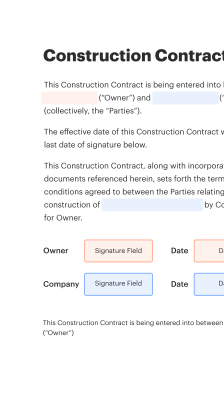
Core flow for creating and sending an add digital signature document

This operational flow outlines the sequence from document creation to completion and storage.

  • Prepare: Upload and design the document
  • Authenticate: Select signer verification method
  • Send: Dispatch via email or link
  • Complete: Signers finish and documents save
Collect signatures
24x
faster
Reduce costs by
$30
per document
Save up to
40h
per employee / month

Quick step-by-step: Add a digital signature document

Follow these core steps to prepare a document for electronic signing, applicable across most eSignature platforms and file types.

  • 01
    Upload Document: Import PDF or Word file
  • 02
    Place Fields: Add signature, date, and data fields
  • 03
    Set Signers: Assign roles and signing order
  • 04
    Configure Security: Choose authentication and retention

Audit trail essentials for completed digital signature documents

Include these elements in every signed document record to preserve evidentiary value and support compliance audits.

01

Timestamp:

Record of each action time
02

IP Address:

Network address of signer
03

Authentication Method:

Type of verification used
04

Field History:

Changes and field entries logged
05

Document Hash:

Checksum for integrity verification
06

Signer Identity:

Captured signer details
be ready to get more

Why choose airSlate SignNow

  • Free 7-day trial. Choose the plan you need and try it risk-free.
  • Honest pricing for full-featured plans. airSlate SignNow offers subscription plans with no overages or hidden fees at renewal.
  • Enterprise-grade security. airSlate SignNow helps you comply with global security standards.
illustrations signature

Typical workflow settings when configuring add digital signature document processes

These settings represent common options to standardize and automate signing workflows for teams.

Setting Name Configuration
Reminder Frequency 48 hours
Signing Order Sequential
Authentication Method Email OTP
Document Retention 7 years
Notification Preferences Email only

Supported devices and platform considerations

Ensure device compatibility and browser support before sending documents to a diverse signer base.

  • Desktop Browsers: Chrome, Edge, Safari
  • Mobile Platforms: iOS and Android
  • File Formats: PDF, DOCX, image files

Testing documents on representative devices and mobile browsers helps prevent formatting issues and improves signer completion rates across platforms.

Security controls to protect signed documents

Transport Encryption: TLS encryption in transit
At-rest Encryption: AES-256 storage encryption
Access Controls: Role-based permissions
Authentication Options: Multi-factor methods
Audit Trail: Immutable event logs
Document Watermarking: Visible audit marks

How different industries implement add digital signature document workflows

These concise case examples show typical document types and outcomes for common industries.

Healthcare Consent Forms

Hospitals convert paper consent forms to digital templates for faster in-clinic signing

  • Configured identity checks for patient authentication
  • Reduces wait times and improves record accuracy

Resulting in quicker throughput and clearer audit records for compliance.

Real Estate Closings

Brokerages use standardized purchase agreements prepared as reusable templates

  • Role-based signing order for buyer, seller, and lender
  • Integrated field validation reduces missing data and rework

Leading to shorter closing cycles and auditable transaction histories.

Best practices for preparing documents before adding digital signatures

Follow consistent preparation steps to reduce signer errors, maintain compliance, and ensure completed records meet evidentiary standards.

Standardize reusable templates and fields across teams
Create template libraries with predefined required fields, validation rules, and signer roles. Enforcing standard templates reduces field placement errors, ensures legal clauses remain consistent, and accelerates document preparation for repeatable transactions.
Choose appropriate signer authentication and logging
Match authentication strength to document sensitivity. Use multi-factor or identity proofing for high-risk agreements and ensure audit logs capture timestamps, IP addresses, and actions for all participants to support dispute resolution.
Test the signer experience on target devices
Preview templates on desktop and mobile, verify field alignment and conditional logic, and simulate signings end-to-end. This reduces incomplete submissions and improves completion rates by addressing usability issues early.
Define retention policies and export workflows
Document retention schedules, archival locations, and export procedures for signed records. Ensure retention aligns with compliance requirements and that exports include a complete audit trail for legal and operational needs.

FAQs About add digital signature document

Answers to common questions encountered when preparing, sending, and storing digitally signed documents in U.S. contexts.

Digital signature versus paper signing: Quick capability comparison

This comparison highlights practical differences in speed, auditability, and accessibility between digital signature workflows and traditional paper processes.

Criteria signNow DocuSign
Turnaround Time Hours to days Days to weeks
Audit Trail Presence
Remote Signing Support
Paper Handling Required
be ready to get more

Get legally-binding signatures now!

Document retention and backup checkpoints for signed records

Retention and backup schedules should reflect legal requirements, internal policies, and practical recovery needs for signed documents.

Short-term Access Window:

30 days

Standard Retention Period:

7 years

HIPAA-related Retention:

6 years

Backup Frequency:

Daily

Disaster Recovery RPO:

24 hours

Regulatory and legal risks of improper eSignature use

Invalid Consent: Voids enforceability
Data Breach: Triggers notification duties
HIPAA Violations: Possible fines
FERPA Noncompliance: Sanctions for institutions
Poor Retention: Evidence gaps in disputes
Unauthorized Access: Legal exposure

Feature and plan comparison across leading eSignature providers

A concise comparison of entry-level pricing and common capabilities across providers; signNow is listed first for reference as a practical solution used in U.S. environments.

Feature / Vendor signNow (Recommended) DocuSign Adobe Sign Dropbox Sign PandaDoc
Starting Monthly Price $8 per user $10 per user $12.99 per user $12 per user $19 per user
Free Trial Availability Yes Yes Yes Yes Yes
API Access Included Yes Yes Yes Paid add-on Yes
HIPAA Support Option Available Available Available Not standard Available
Bulk Send Capability Included Included Included Included Included

Simplify complex workflows

Create, execute, and manage workflows of any complexity, electronically from virtually anywhere. Scalable eSignature capabilities allow you to share documents with the right people in the correct order and define roles for each recipient. Execute document workflows faster and easier than ever before.

Automate document management

Optimize complex signing processes with airSlate SignNow’s powerful features to enhance your business. Control your automated eSignature workflows to ensure they're running at peak performance with instant notifications and reminders.

Optimize in team collaboration

Bring teams together in a secure, shared environment. Manage documents, use form templates and notifications to create more efficient cross-organization collaboration. Free your employees from having to spend time on repetitive activities so that they can focus on valuable, business-critical tasks.

Integrate into your existing systems

Run your projects with industry-leading integration. Collect Salesforce, Microsoft Teams, and SharePoint all in one business flow. Connect your software to a single system for endless possibilities and more productivity.

Stay compliant with industry-leading data security

Feel safe understanding that your data remains secure by the most up-to-date in encryption security. airSlate SignNow is GDPR and eIDAS certified and provides you transparence into your signing procedure with court-admissible audit trails. Configure user access permissions and roles to control who has access to what.


walmart logo
exonMobil logo
apple logo
comcast logo
facebook logo
FedEx logo
be ready to get more

Get legally-binding signatures now!